


The past 12 months have been a year of unprecedented uncertainty. Intra-state conflict is rising alongside inflation, while severe weather and climate shocks are becoming regular occurrences. Technological change is accelerating faster than policymakers can pass regulation, while trust in institutions, from governments to media to markets, continues to erode.
A new report details how countries around the world are responding to the changing global threat landscape. In the World Economic Forum’s Global Risks Report 2025, the WEF surveyed more than 11,000 business leaders in 121 economies about the threats facing their country. Participants were asked to identify the five risks most likely to threaten their country in the next two years, offering a snapshot of national-level risk perception across income levels and regions.
Several patterns stand out among the world’s wealthiest nations. Economic downturn is the most frequently cited risk, ranking number one in 12 of the 40 wealthiest countries. Labor or talent shortages follow closely, listed among the top five in 31 countries and topping the list in several, including Japan, Ireland, and Singapore. Digital threats like cyber insecurity, misinformation, and AI also loom large.
Armed conflict is the dominant fear in countries bordering Russia, like Latvia, Estonia, and Poland, and climate-related disasters rank highly in island nations like Japan and New Zealand. In Gulf states like Saudi Arabia and the UAE, concerns over asset bubbles and energy supply shocks are layered on top of broader economic anxieties. A closer look at the data reveals the threats that wealthy countries are worried about the most.
To determine what wealthy countries are worried about the most, 24/7 Wall St. reviewed data on national-level concerns from the World Economic Forum’s Executive Opinion Survey. Results are based on a survey asking over 11,000 business leaders in 121 economies about the risks that pose the most severe threat to their country in the next two years. Countries are ordered by GNI per capita.
40. Latvia
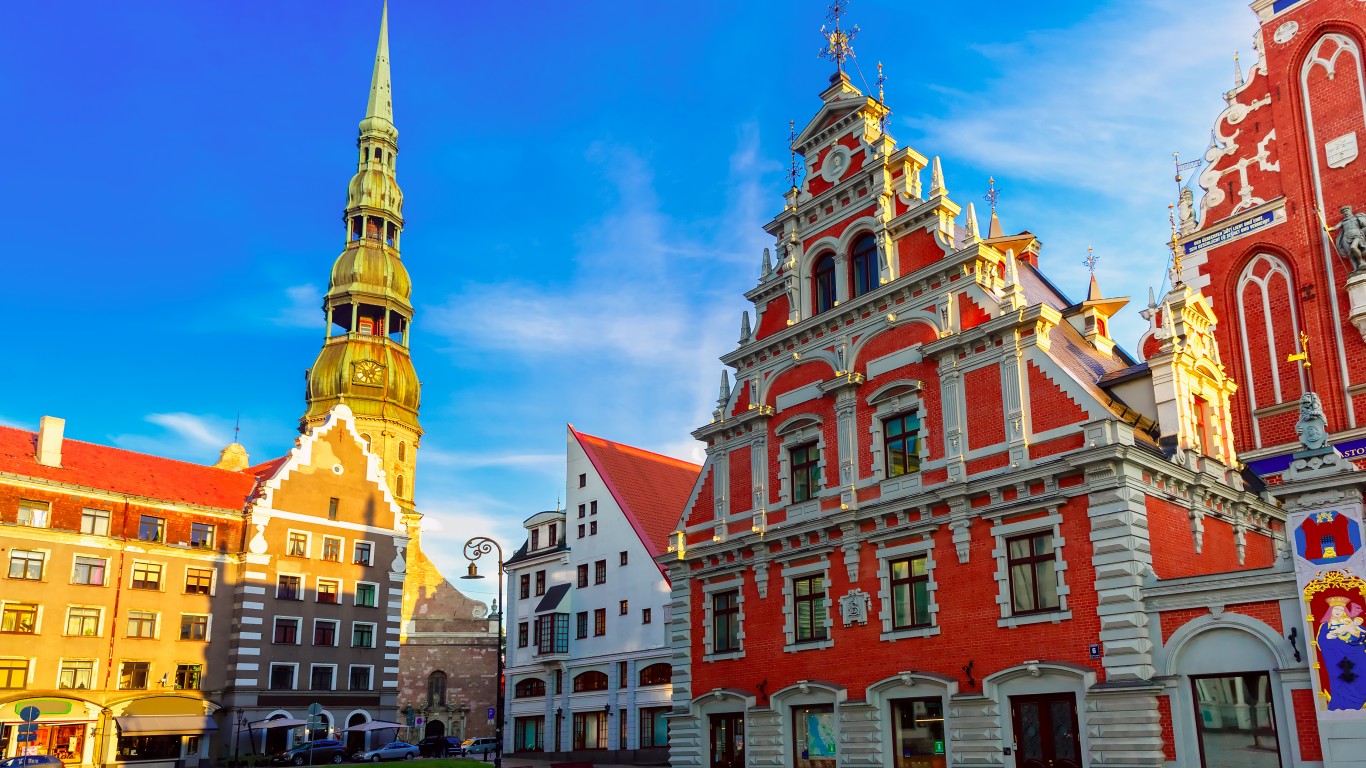
- Most cited risk: Armed conflict (interstate, intrastate, proxy wars, coups etc.)
- Second most cited risk: Economic downturn (e.g. recession, stagnation)
- Third most cited risk: Cyber insecurity
- Fourth most cited risk: Attacks on critical infrastructure
- Fifth most cited risk: Inflation
39. Hungary
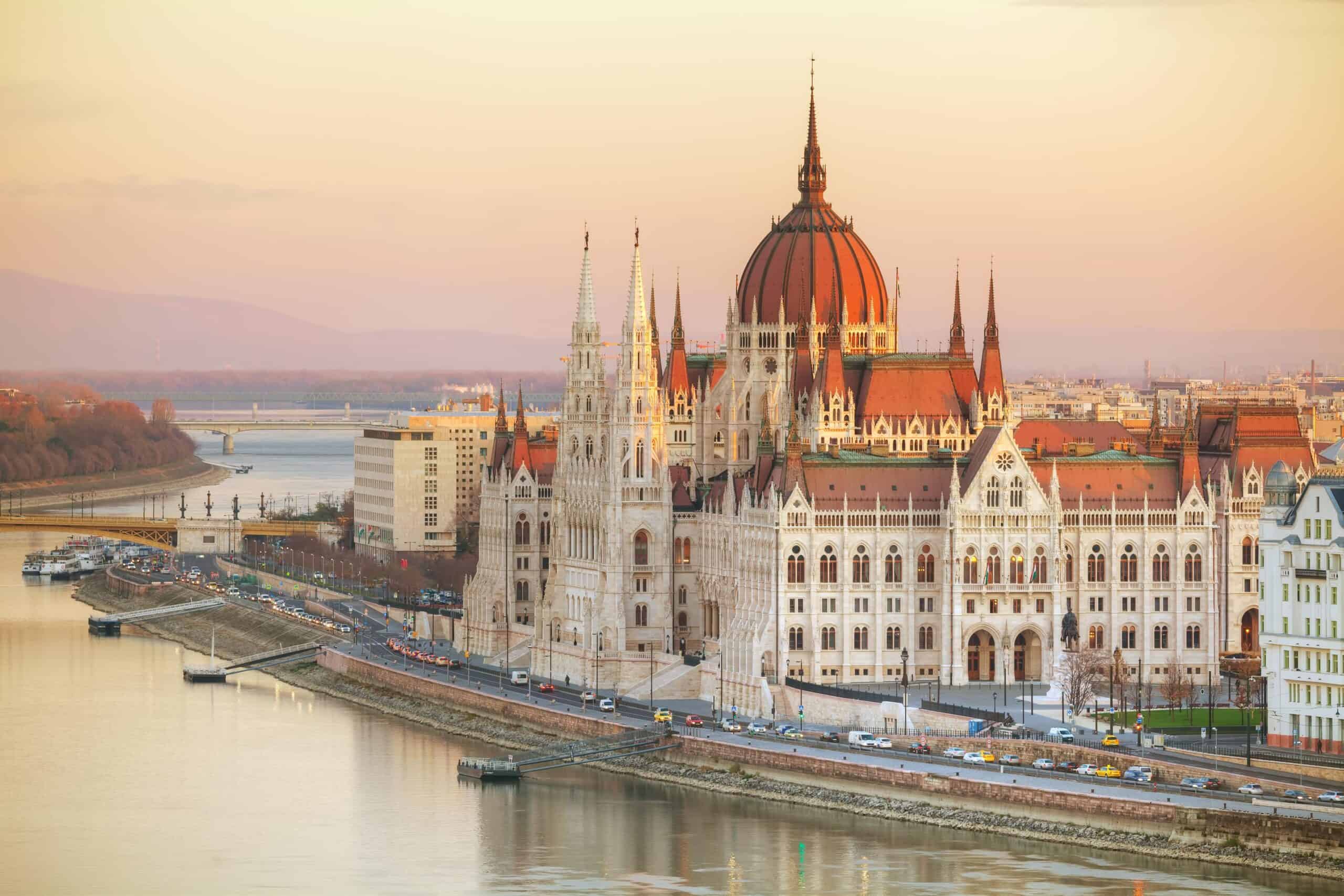
- Most cited risk: Economic downturn (e.g. recession, stagnation)
- Second most cited risk: Inflation
- Third most cited risk: Labor or talent shortage
- Fourth most cited risk: Public debt
- Fifth most cited risk: Misinformation and disinformation
38. Romania
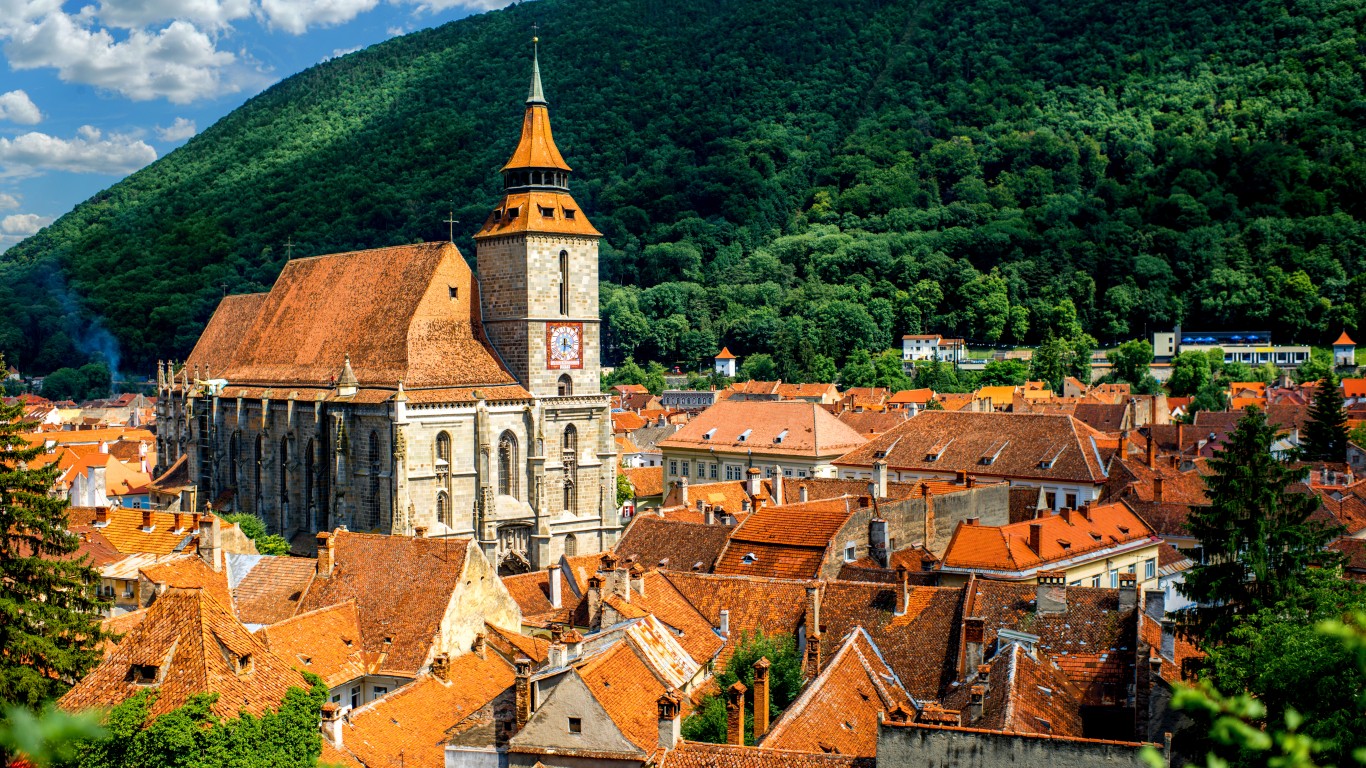
- Most cited risk: Armed conflict (interstate, intrastate, proxy wars, coups etc.)
- Second most cited risk: Economic downturn (e.g. recession, stagnation)
- Third most cited risk: Inflation
- Fourth most cited risk: Chronic health conditions and decline in well-being
- Fifth most cited risk: Publci debt
37. Poland
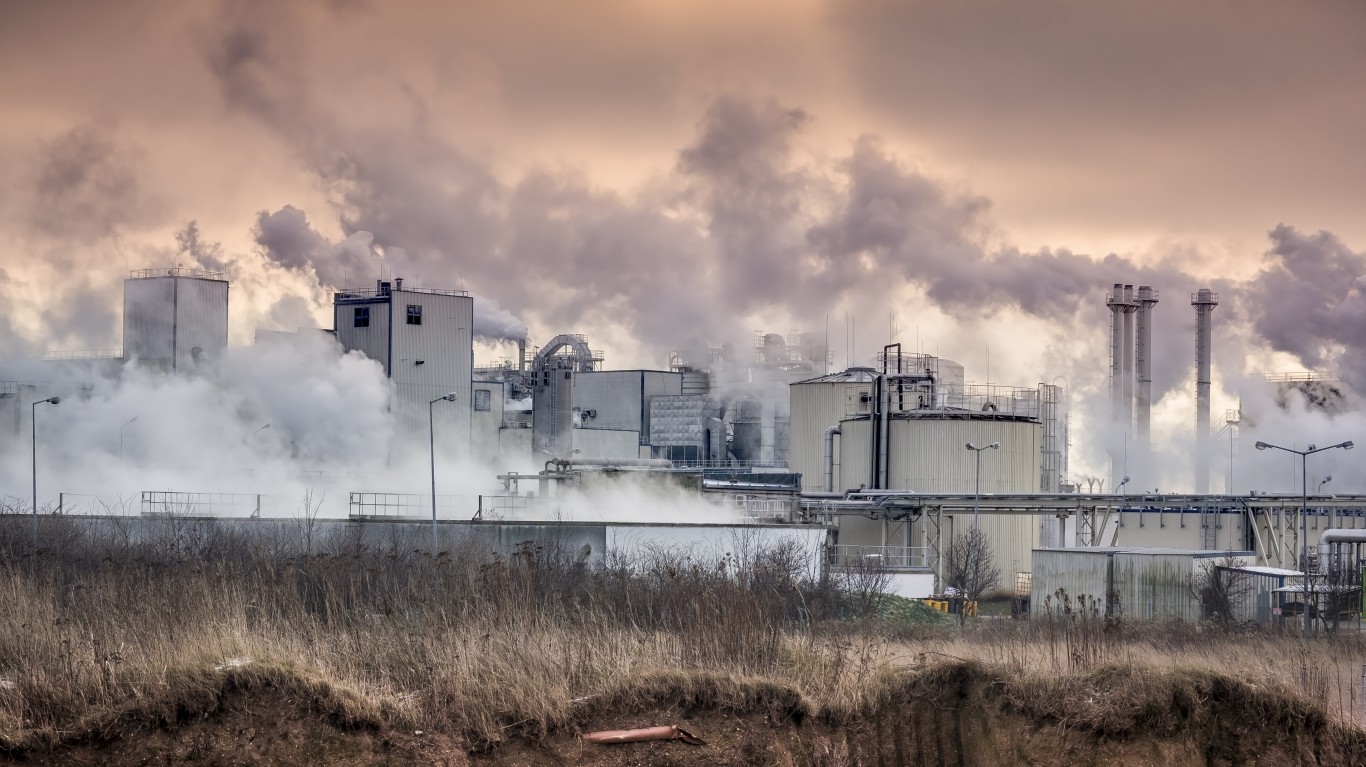
- Most cited risk: Armed conflict (interstate, intrastate, proxy wars, coups etc.)
- Second most cited risk: Economic downturn (e.g. recession, stagnation)
- Third most cited risk: Labor or talent shortage
- Fourth most cited risk: Inflation
- Fifth most cited risk: Attacks on critical infrastructure
36. Estonia
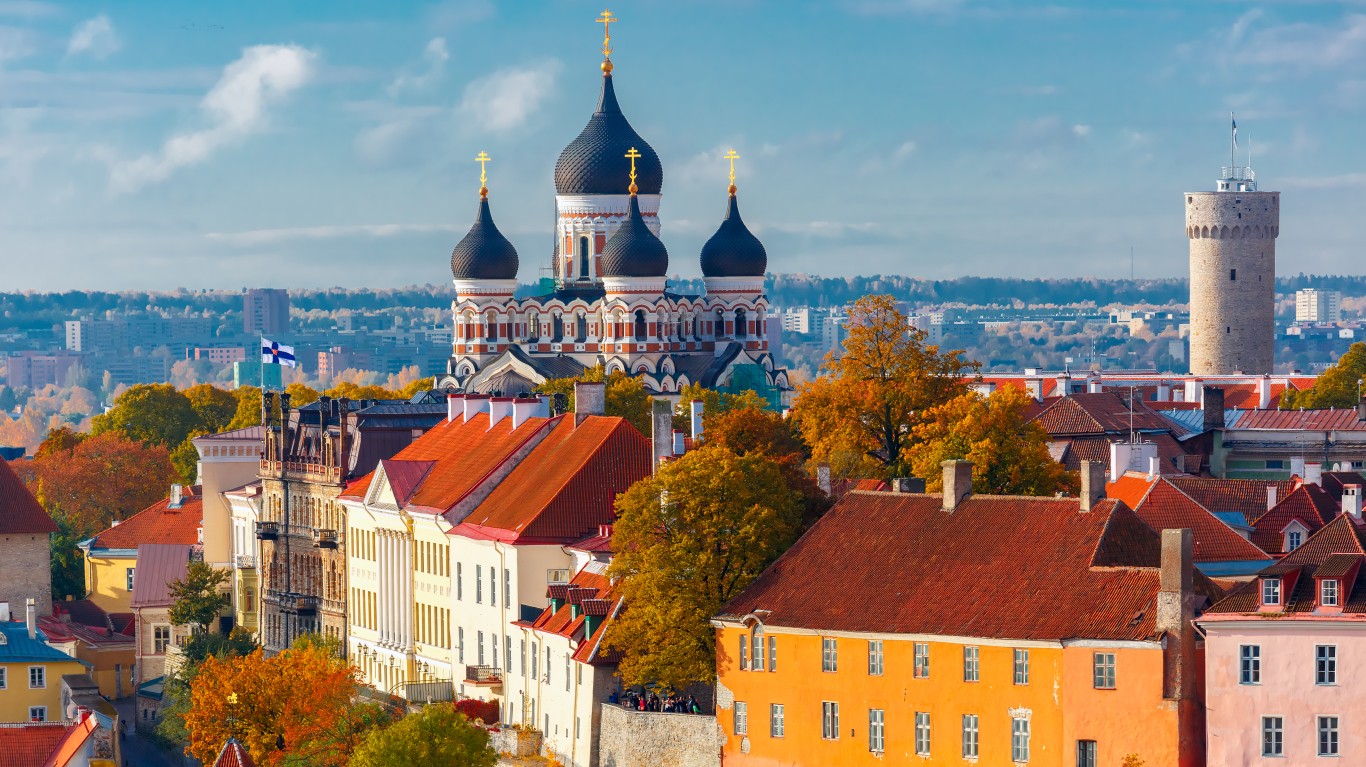
- Most cited risk: Armed conflict (interstate, intrastate, proxy wars, coups etc.)
- Second most cited risk: Economic downturn (e.g. recession, stagnation)
- Third most cited risk: Labor or talent shortage
- Fourth most cited risk: Misinformation and disinformation
- Fifth most cited risk: Cyber insecurity
35. Croatia
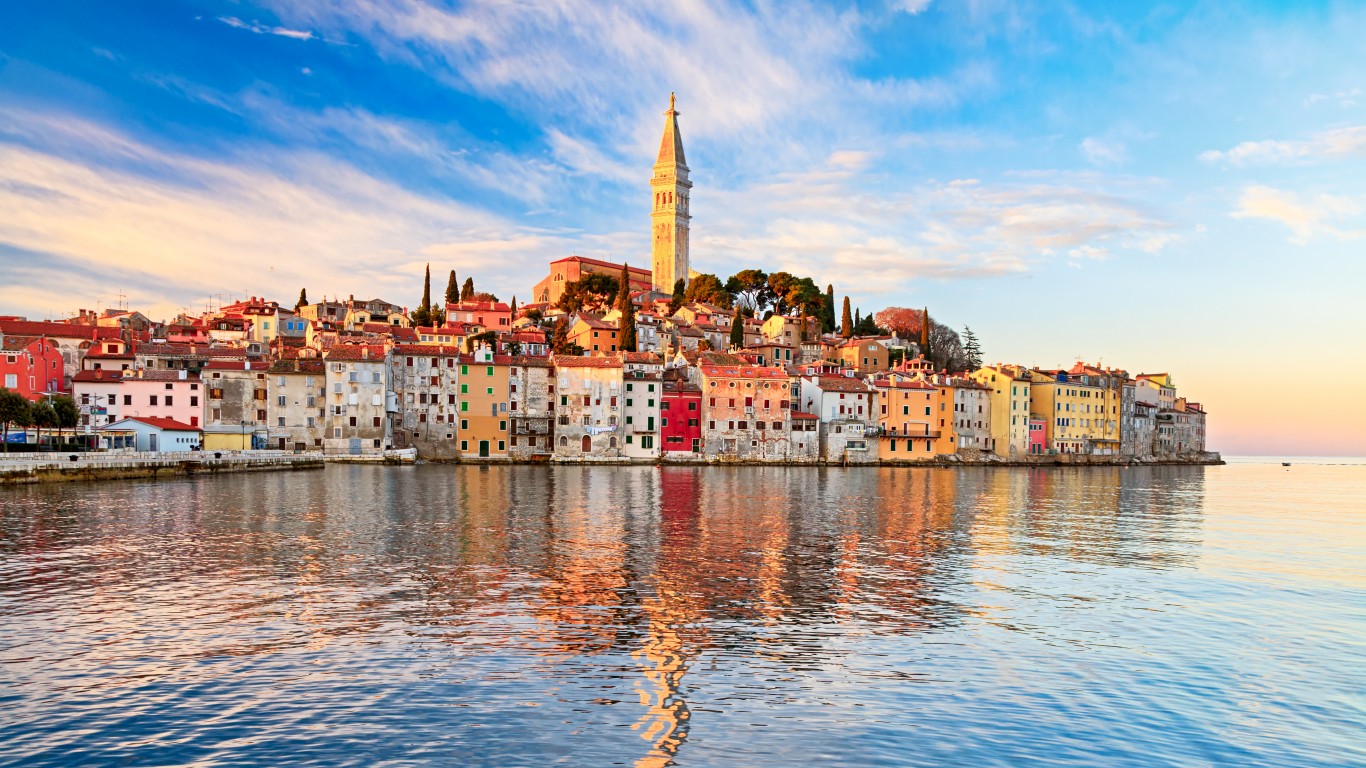
- Most cited risk: Labor or talent shortage
- Second most cited risk: Extreme weather events (floods, heatwaves etc.)
- Third most cited risk: Inflation
- Fourth most cited risk: Economic downturn (e.g. recession, stagnation)
- Fifth most cited risk: Asset bubble burst
34. Portugal
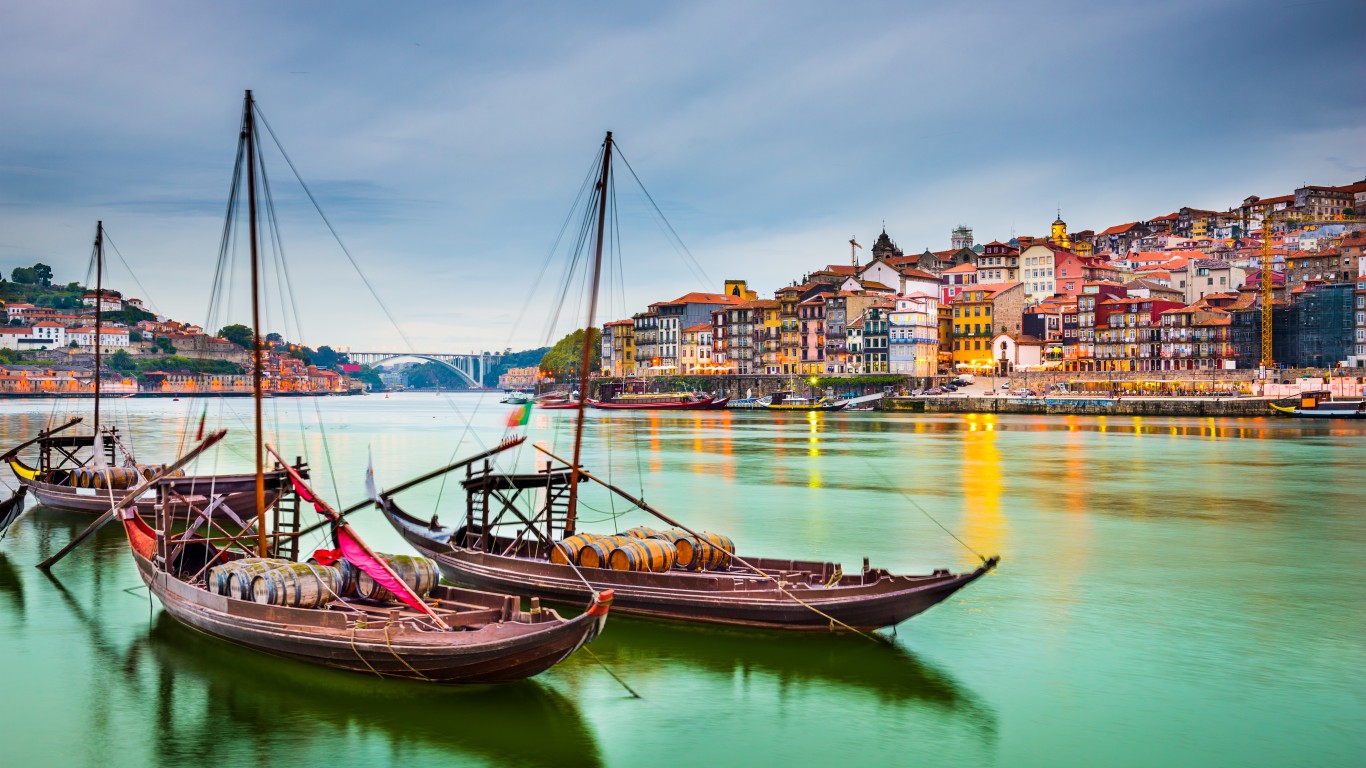
- Most cited risk: Labor or talent shortage
- Second most cited risk: Economic downturn (e.g. recession, stagnation)
- Third most cited risk: Insufficient public services and social protections
- Fourth most cited risk: Poverty and inequality (wealth, income)
- Fifth most cited risk: Public debt Qatar
33. Czech Republic
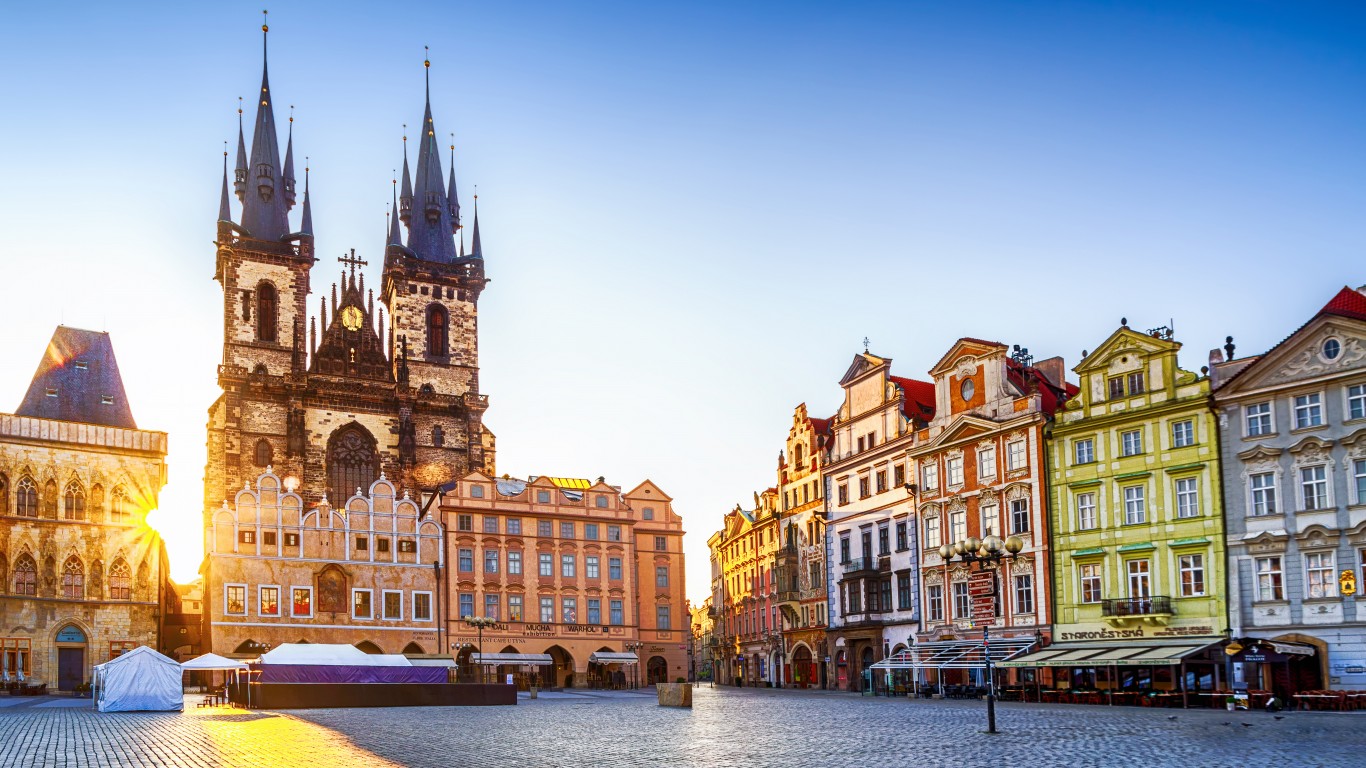
- Most cited risk: Labor or talent shortage
- Second most cited risk: Economic downturn (e.g. recession, stagnation)
- Third most cited risk: Misinformation and disinformation
- Fourth most cited risk: Public debt
- Fifth most cited risk: Societal polarization Global Risks Report 2025 84
32. Cyprus
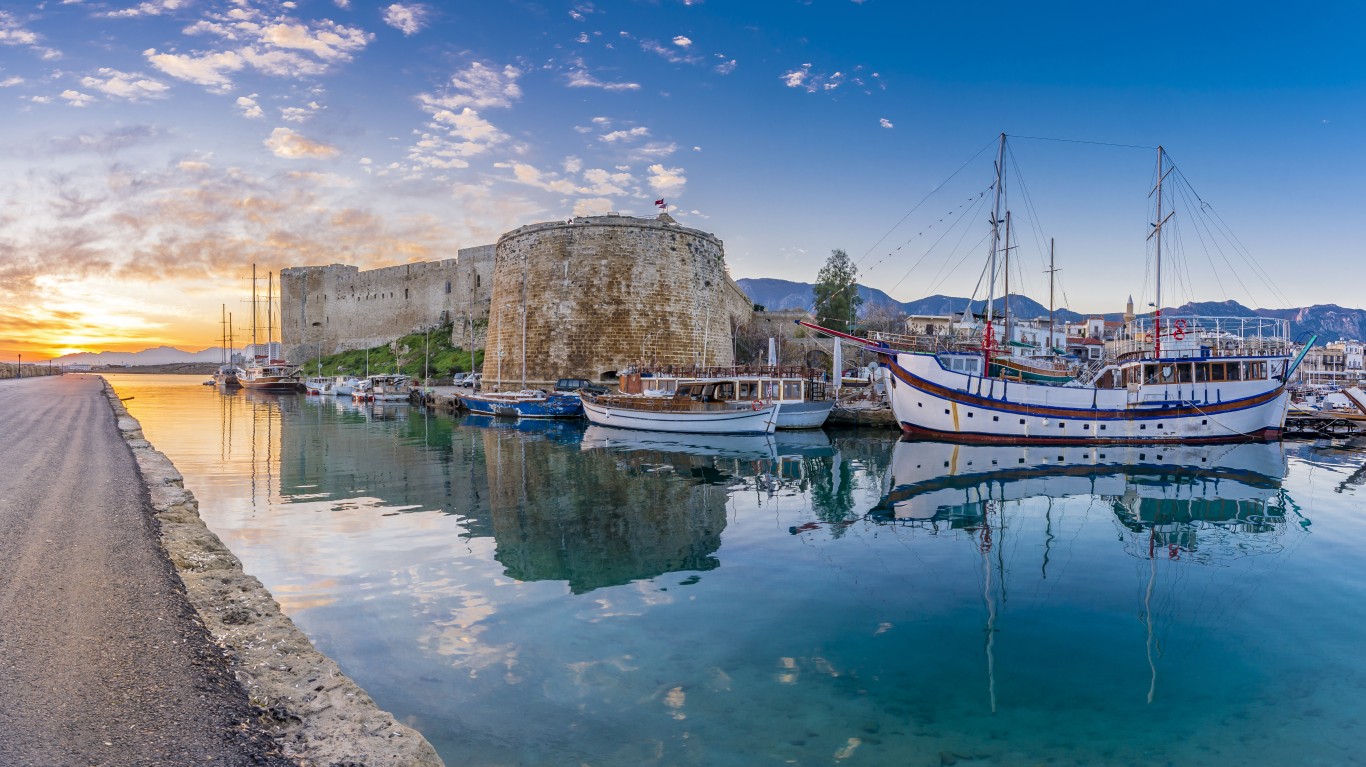
- Most cited risk: Involuntary migration
- Second most cited risk: Labor or talent shortage
- Third most cited risk: Inflation
- Fourth most cited risk: Economic downturn (e.g. recession, stagnation)
- Fifth most cited risk: Private debt (corporate, household)
31. New Zealand
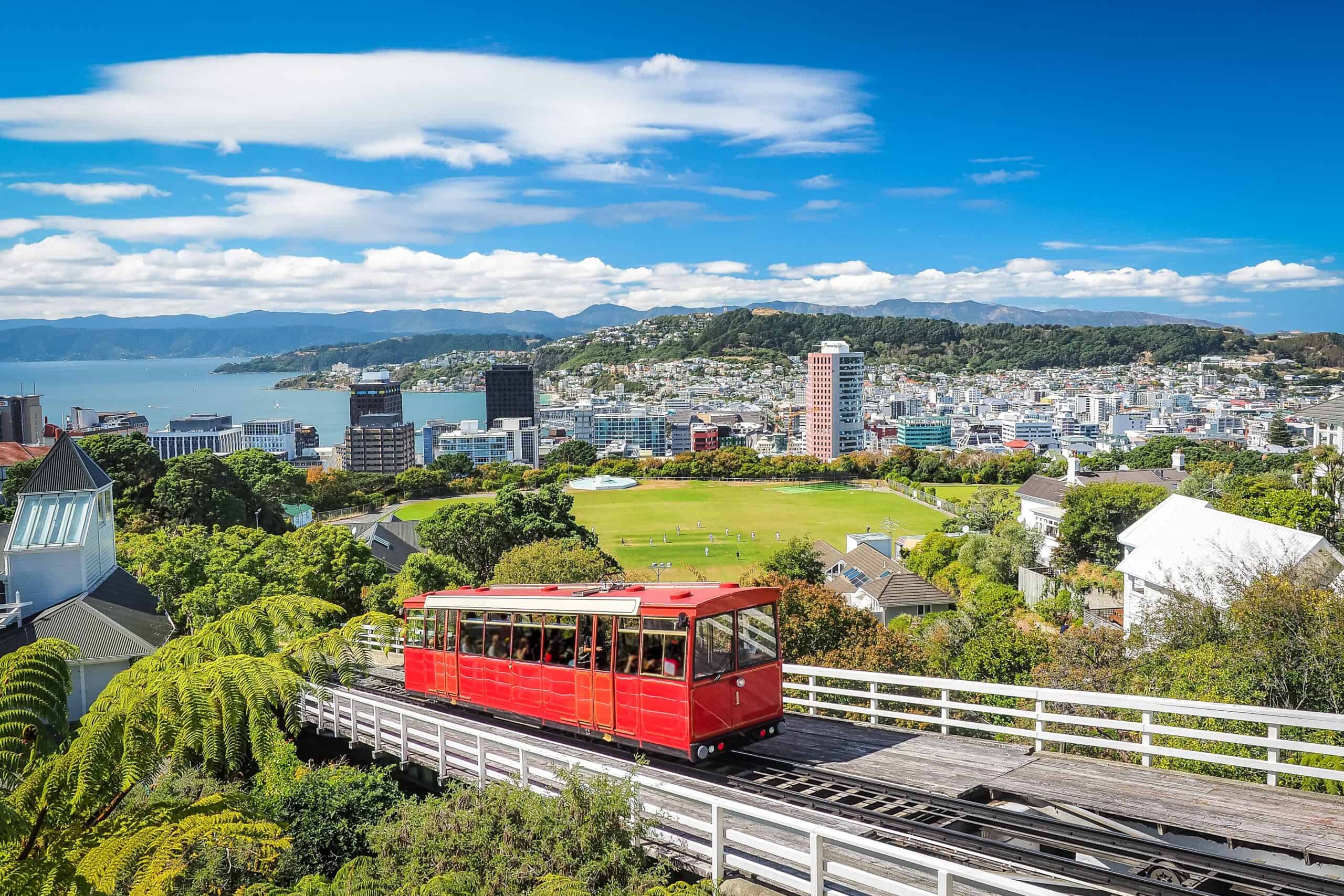
- Most cited risk: Economic downturn (e.g. recession, stagnation)
- Second most cited risk: Inflation
- Third most cited risk: Labor or talent shortage
- Fourth most cited risk: Extreme weather events (floods, heatwaves etc.)
- Fifth most cited risk: Poverty and inequality (wealth, income)
30. Spain

- Most cited risk: Public debt
- Second most cited risk: Labor or talent shortage
- Third most cited risk: Societal polarization
- Fourth most cited risk: Economic downturn (e.g. recession, stagnation)
- Fifth most cited risk: Water supply shortage
29. South Korea
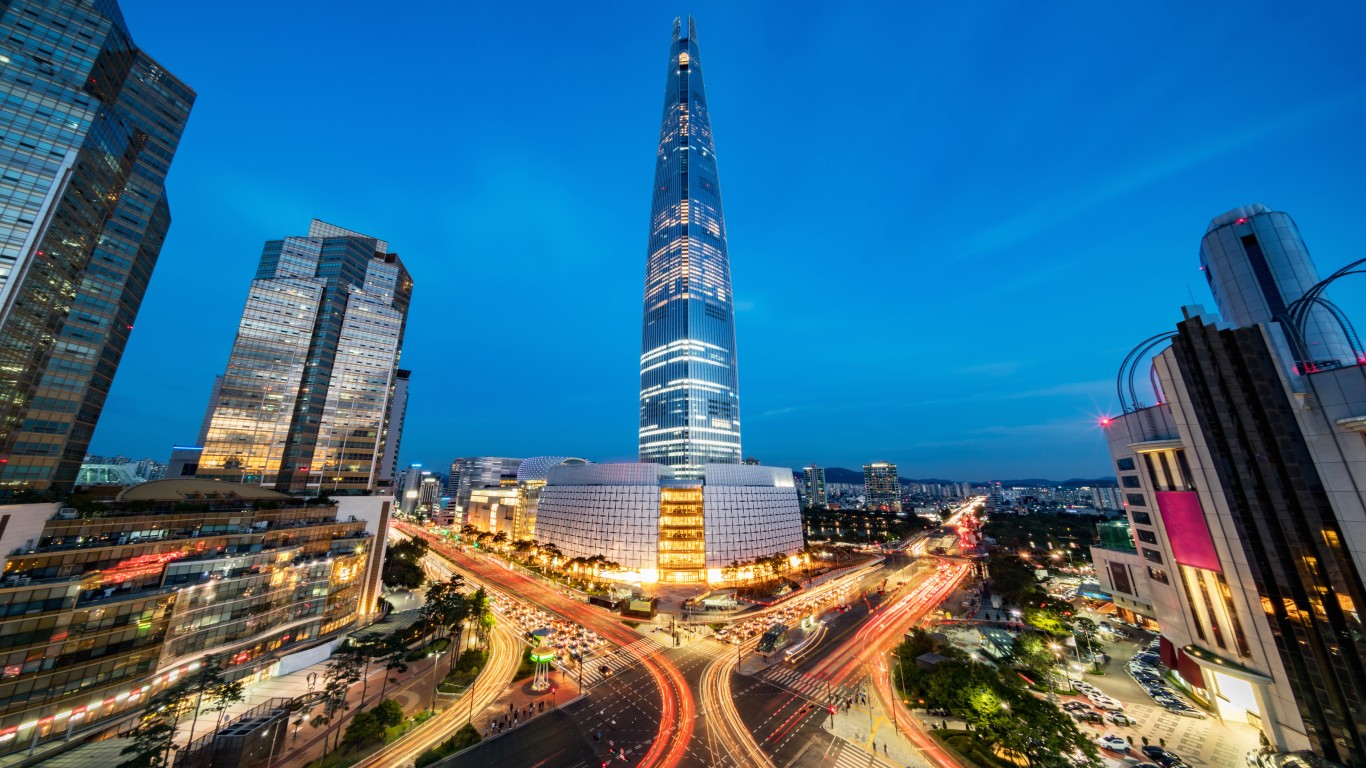
- Most cited risk: Energy supply shortage
- Second most cited risk: Unemployment or lack of economic opportunity
- Third most cited risk: Water supply shortage
- Fourth most cited risk: Poverty and inequality (wealth, income)
- Fifth most cited risk: Economic downturn (e.g. recession, stagnation)
28. Japan
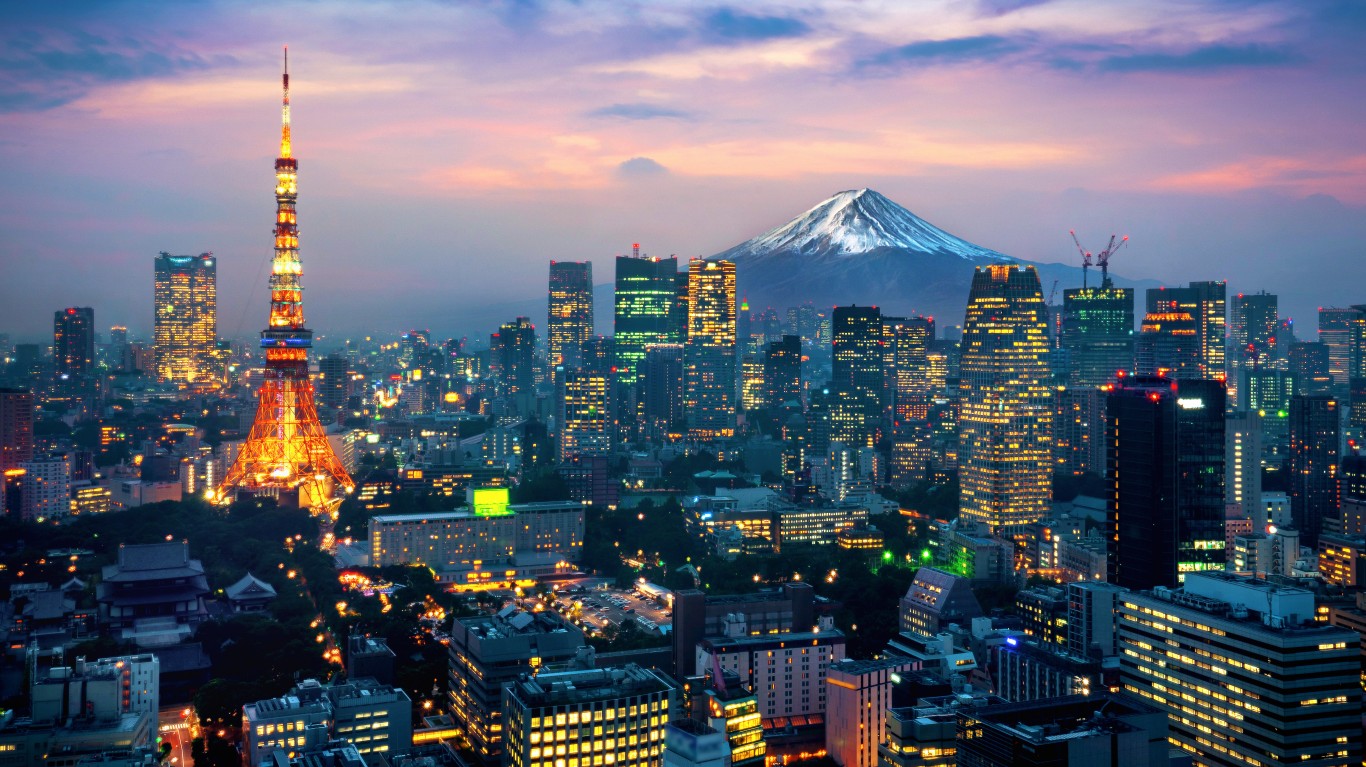
- Most cited risk: Labor or talent shortage
- Second most cited risk: Non-weather-related natural disasters (earthquakes, volcanoes, etc.)
- Third most cited risk: Economic downturn (e.g. recession, stagnation)
- Fourth most cited risk: Extreme weather events (floods, heatwaves etc.)
- Fifth most cited risk: Energy supply shortage
27. Slovenia
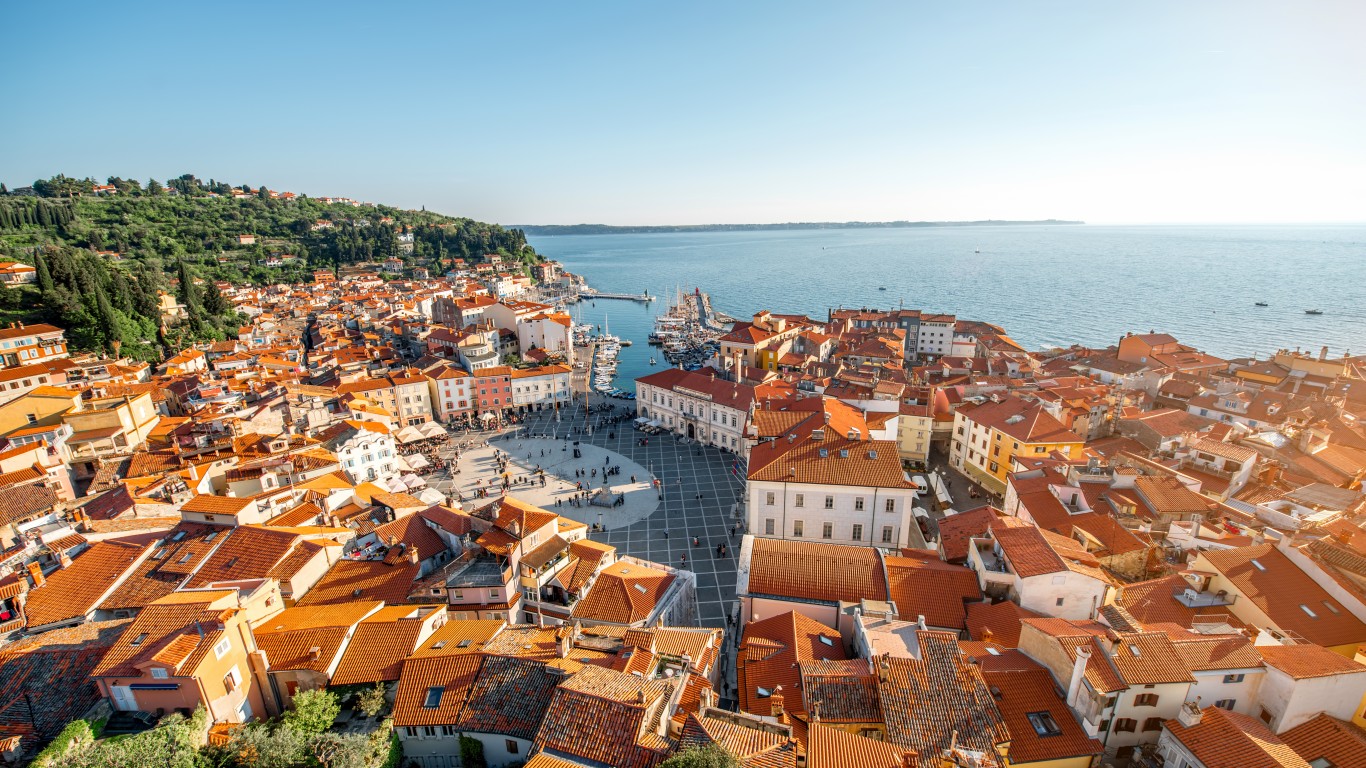
- Most cited risk: Labor or talent shortage
- Second most cited risk: Economic downturn (e.g. recession, stagnation)
- Third most cited risk: Extreme weather events (floods, heatwaves etc.)
- Fourth most cited risk: Insufficient public services and social protections
- Fifth most cited risk: Public debt
26. Israel
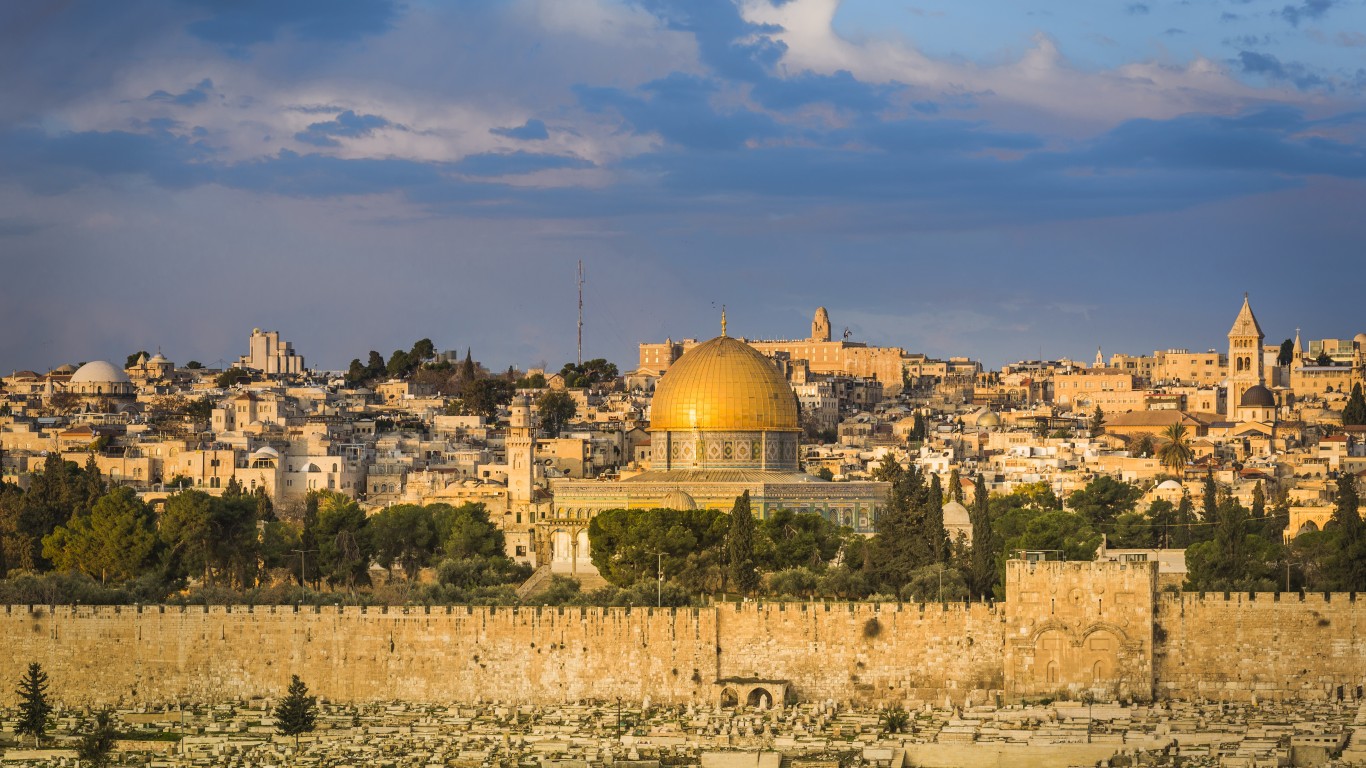
- Most cited risk: Armed conflict (interstate, intrastate, proxy wars, coups etc.)
- Second most cited risk: Terrorist attacks
- Third most cited risk: Attacks on critical infrastructure
- Fourth most cited risk: Economic downturn (e.g. recession, stagnation)
- Fifth most cited risk: Intrastate violence (civil strikes, riots)
25. Malta
- Most cited risk: Pollution (air, water, soil)
- Second most cited risk: Labor or talent shortage
- Third most cited risk: .
- Fourth most cited risk: Extreme weather events (floods, heatwaves etc.)
- Fifth most cited risk: Economic downturn (e.g. recession, stagnation)
24. Italy

- Most cited risk: Economic downturn (e.g. recession, stagnation)
- Second most cited risk: Extreme weather events (floods, heatwaves etc.)
- Third most cited risk: Inflation
- Fourth most cited risk: Labor or talent shortage
- Fifth most cited risk: Poverty and inequality (wealth, income)
23. United Kingdom
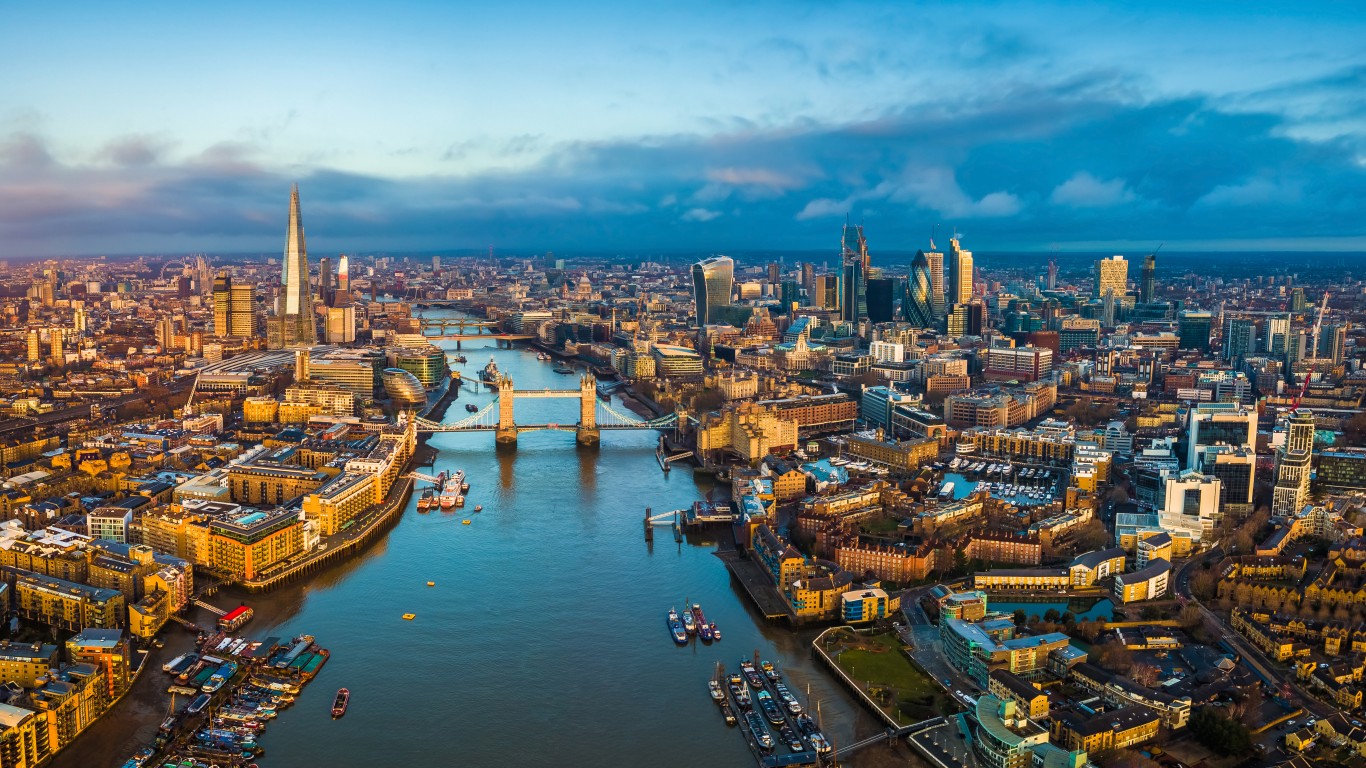
- Most cited risk: Economic downturn (e.g. recession, stagnation)
- Second most cited risk: Inflation
- Third most cited risk: Labor or talent shortage
- Fourth most cited risk: Adverse outcomes of artificial intelligence technologies
- Fifth most cited risk: Involuntary migration
22. France
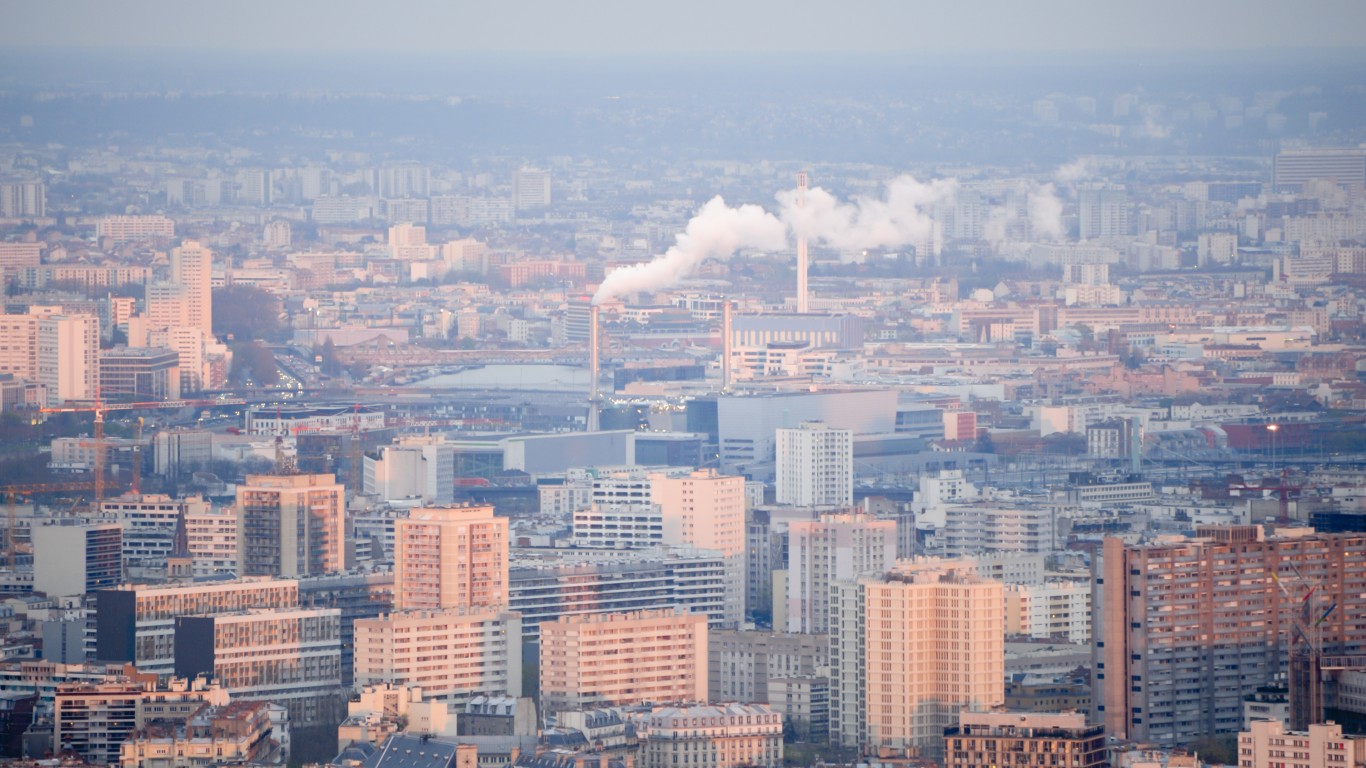
- Most cited risk: Inflation
- Second most cited risk: Intrastate violence (civil strikes, riots)
- Third most cited risk: Involuntary migration
- Fourth most cited risk: Economic downturn (e.g. recession, stagnation)
- Fifth most cited risk: Water supply shortage
21. Bahrain
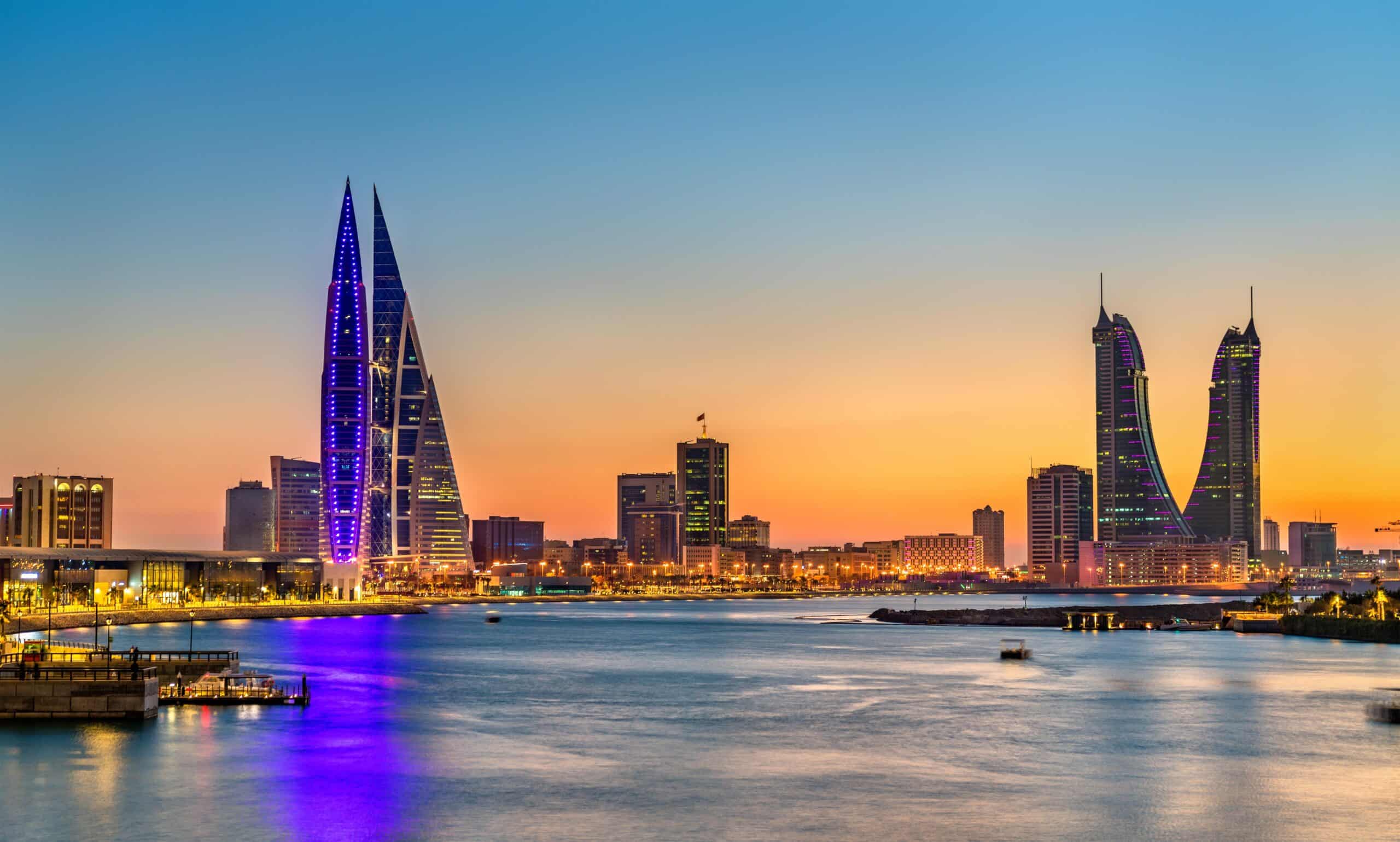
- Most cited risk: Economic downturn (e.g. recession, stagnation)
- Second most cited risk: Inflation
- Third most cited risk: Labor or talent shortage
- Fourth most cited risk: Unemployment or lack of economic opportunity
- Fifth most cited risk: Cyber insecurity
20. Saudi Arabia
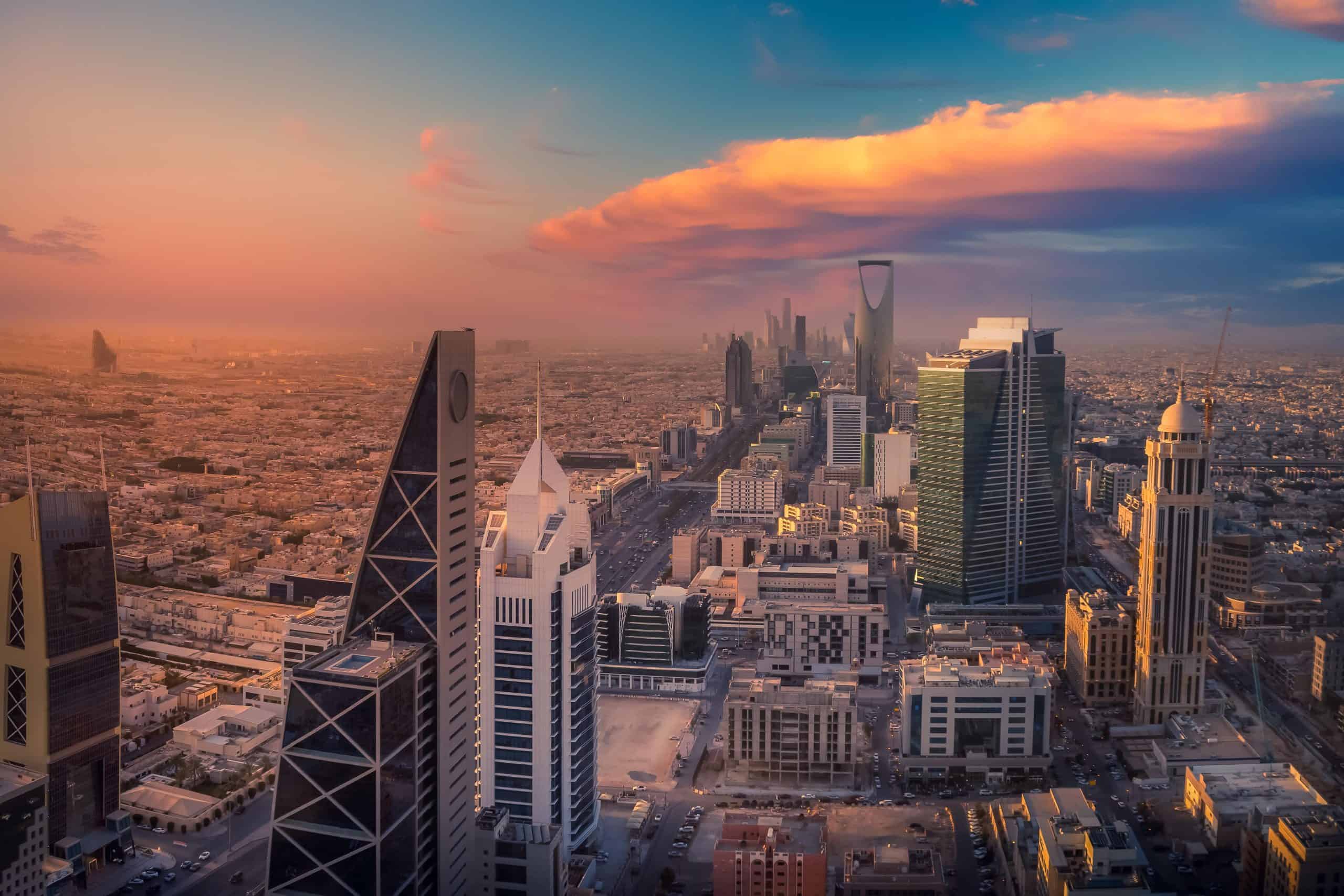
- Most cited risk: Asset bubble burst
- Second most cited risk: Inflation
- Third most cited risk: Adverse outcomes of artificial intelligence technologies
- Fourth most cited risk: Armed conflict (interstate, intrastate, proxy wars, coups etc.)
- Fifth most cited risk: Economic downturn (e.g. recession, stagnation)
19. Finland

- Most cited risk: Public debt
- Second most cited risk: Economic downturn (e.g. recession, stagnation)
- Third most cited risk: Labor or talent shortage
- Fourth most cited risk: Involuntary migration
- Fifth most cited risk: Armed conflict (interstate, intrastate, proxy wars, coups etc.)
18. Canada

- Most cited risk: Economic downturn (e.g. recession, stagnation)
- Second most cited risk: Labor or talent shortage
- Third most cited risk: Inflation
- Fourth most cited risk: Poverty and inequality (wealth, income)
- Fifth most cited risk: Adverse outcomes of artificial intelligence technologies
17. Australia
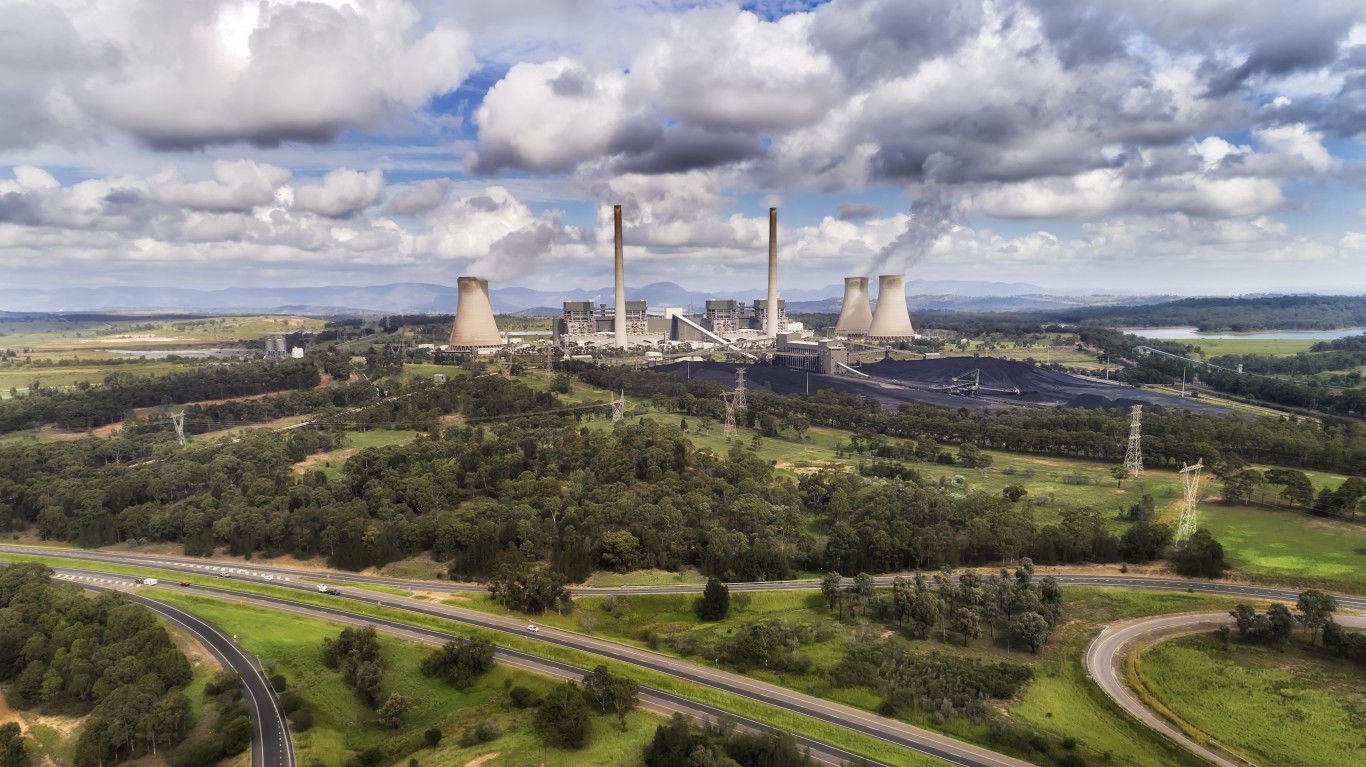
- Most cited risk: Economic downturn (e.g. recession, stagnation)
- Second most cited risk: Energy supply shortage
- Third most cited risk: Inflation
- Fourth most cited risk: Food supply shortage
- Fifth most cited risk: Labor or talent shortage
16. Belgium
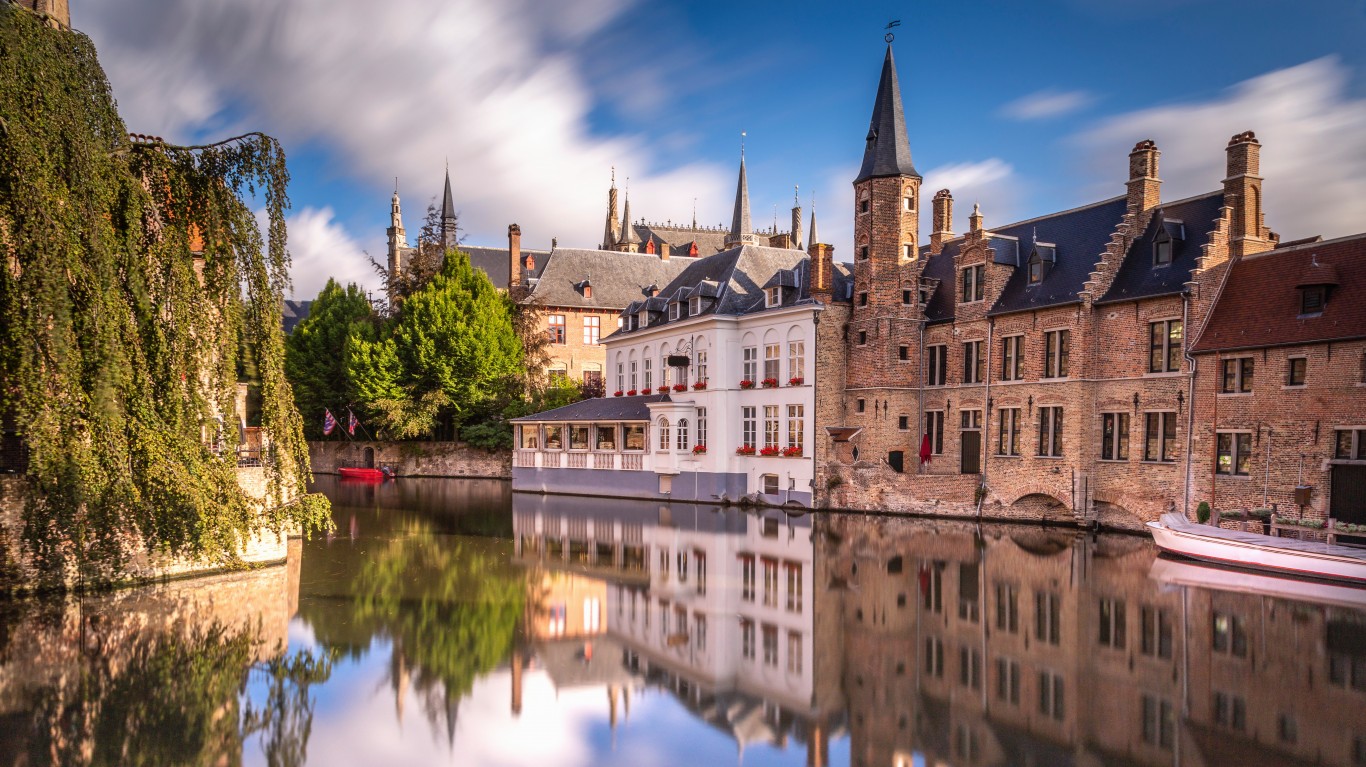
- Most cited risk: Economic downturn (e.g. recession, stagnation)
- Second most cited risk: Involuntary migration
- Third most cited risk: Inflation
- Fourth most cited risk: Public debt
- Fifth most cited risk: Poverty and inequality (wealth, income)
15. Sweden

- Most cited risk: Economic downturn (e.g. recession, stagnation)
- Second most cited risk: Involuntary migration
- Third most cited risk: Crime and illicit economic activity
- Fourth most cited risk: Labor or talent shortage
- Fifth most cited risk: Misinformation and disinformation
14. Austria
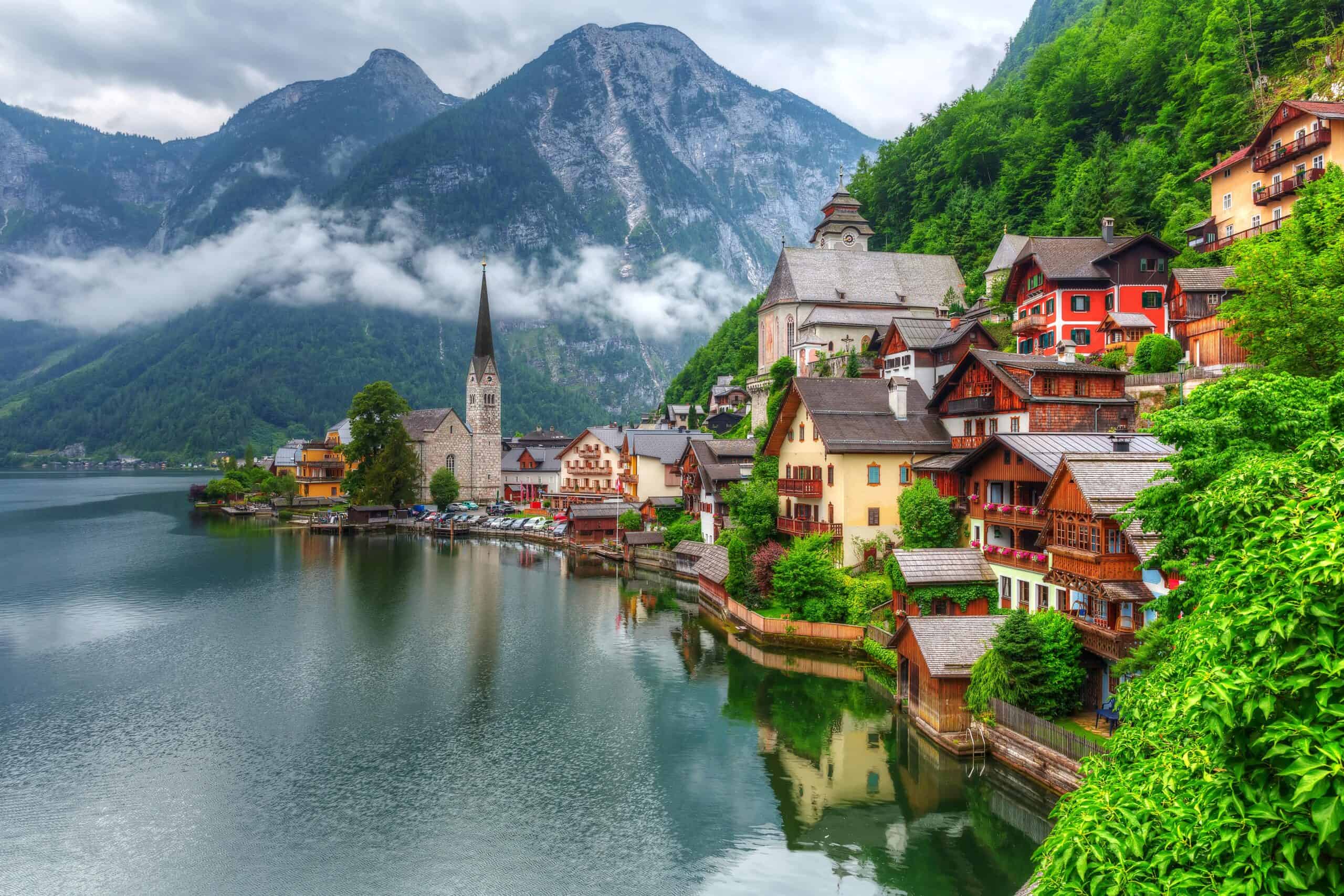
- Most cited risk: Labor or talent shortage
- Second most cited risk: Economic downturn (e.g. recession, stagnation)
- Third most cited risk: Societal polarization
- Fourth most cited risk: Cyber insecurity
- Fifth most cited risk: Extreme weather events (floods, heatwaves etc.)
13. Germany
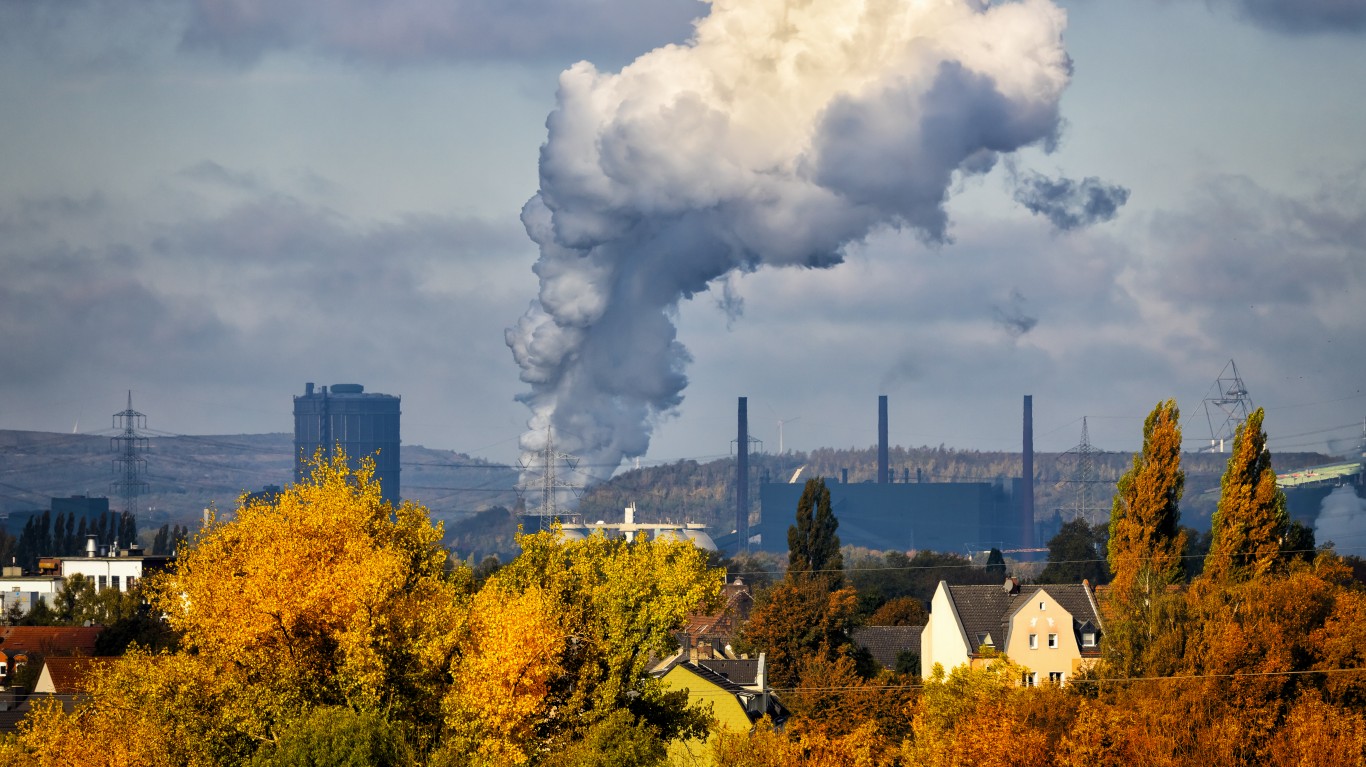
- Most cited risk: Labor or talent shortage
- Second most cited risk: Economic downturn (e.g. recession, stagnation)
- Third most cited risk: Involuntary migration
- Fourth most cited risk: Misinformation and disinformation
- Fifth most cited risk: Energy supply shortage
12. Denmark
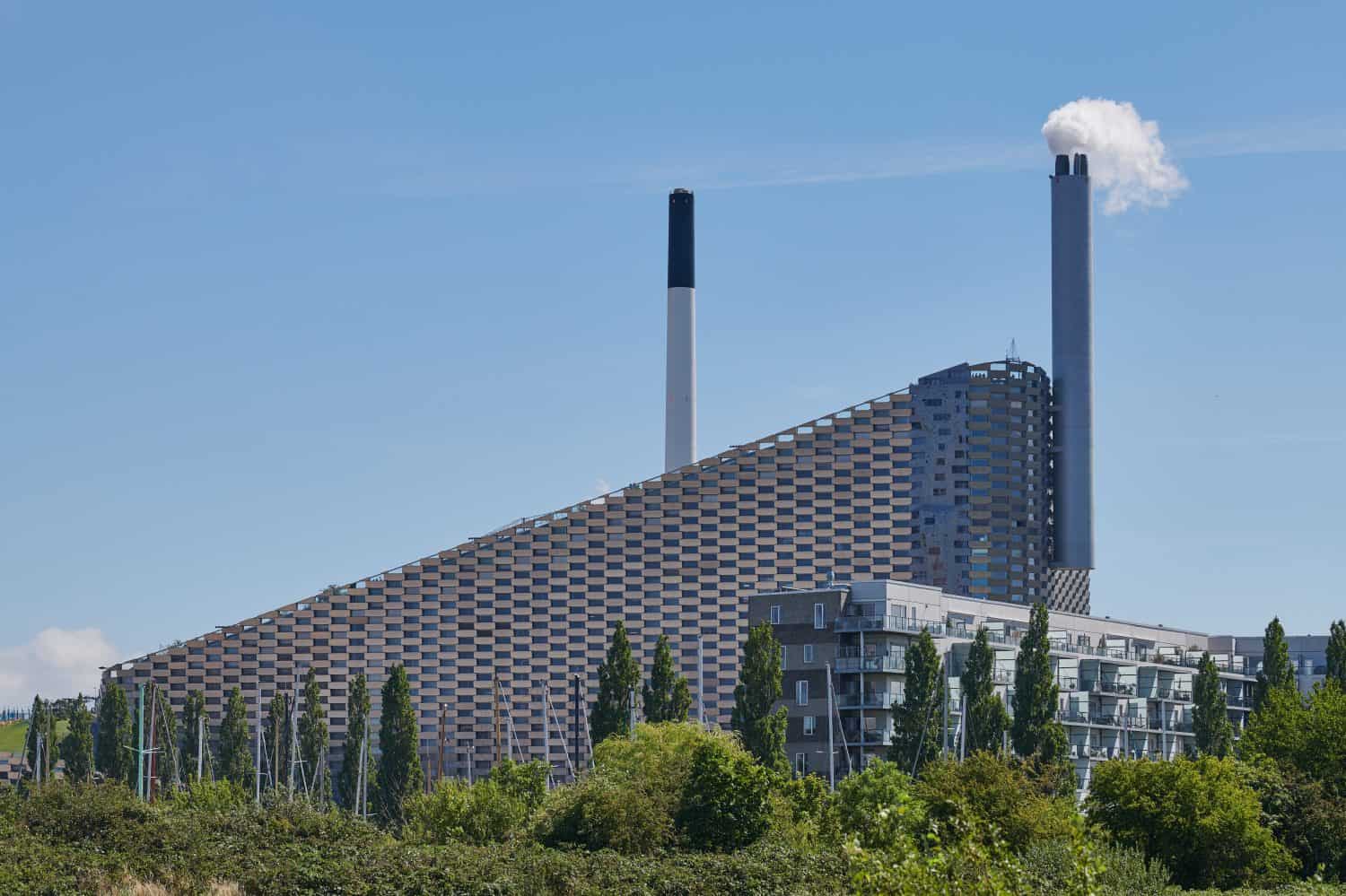
- Most cited risk: Cyber insecurity
- Second most cited risk: Attacks on critical infrastructure
- Third most cited risk: Labor or talent shortage
- Fourth most cited risk: Extreme weather events (floods, heatwaves etc.)
- Fifth most cited risk: Armed conflict (interstate, intrastate, proxy wars, coups etc.)
11. United Arab Emirates
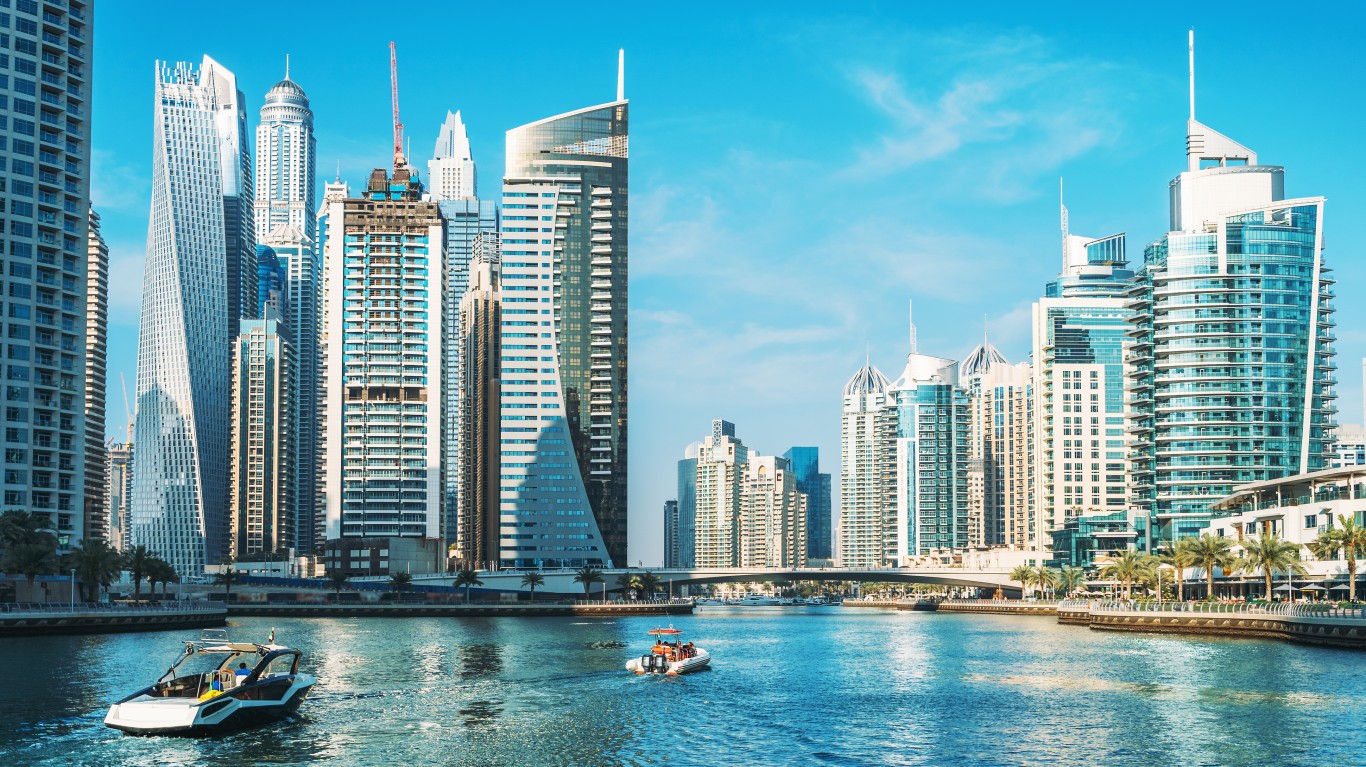
- Most cited risk: Inflation
- Second most cited risk: Asset bubble burst
- Third most cited risk: Extreme weather events (floods, heatwaves etc.)
- Fourth most cited risk: Cyber insecurity
- Fifth most cited risk: Economic downturn (e.g. recession, stagnation)
10. Netherlands
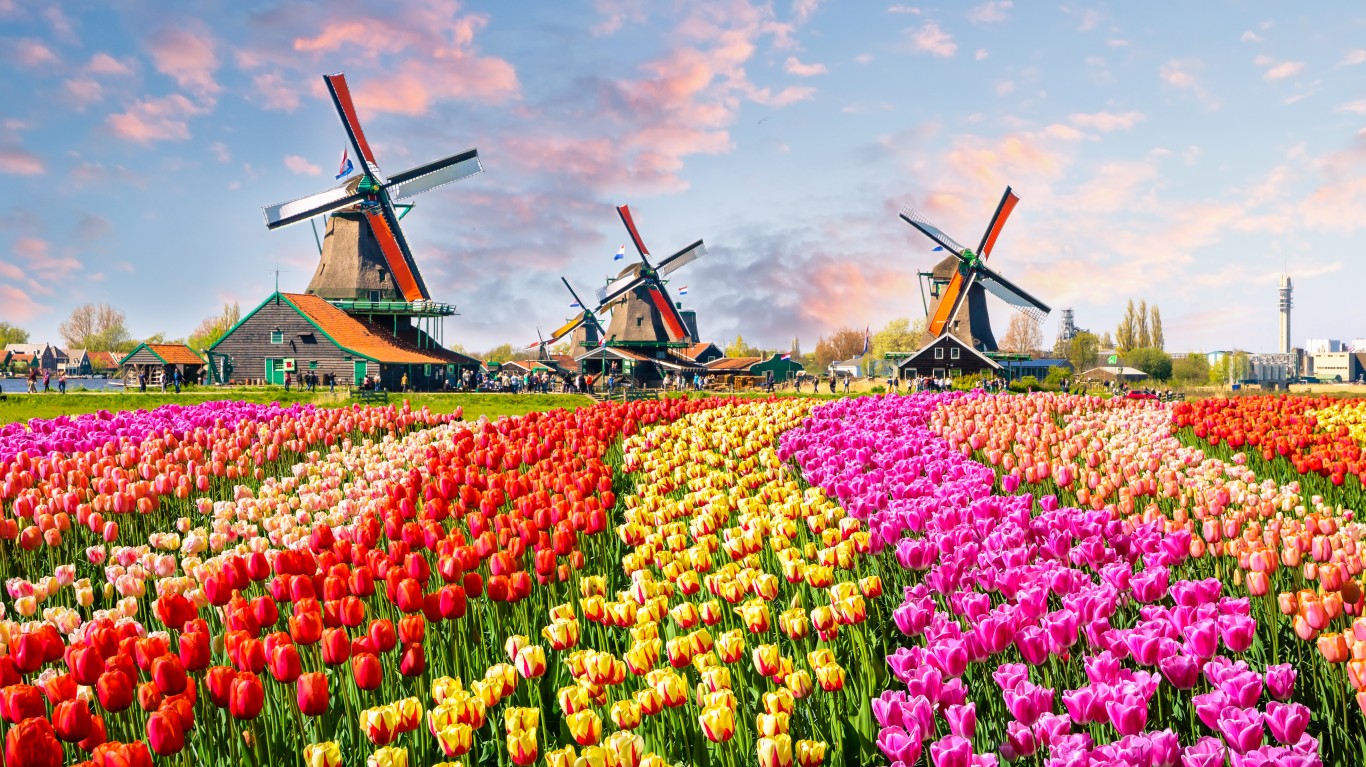
- Most cited risk: Labor or talent shortage
- Second most cited risk: Energy supply shortage
- Third most cited risk: Cyber insecurity
- Fourth most cited risk: Societal polarization
- Fifth most cited risk: Misinformation and disinformation
9. Iceland
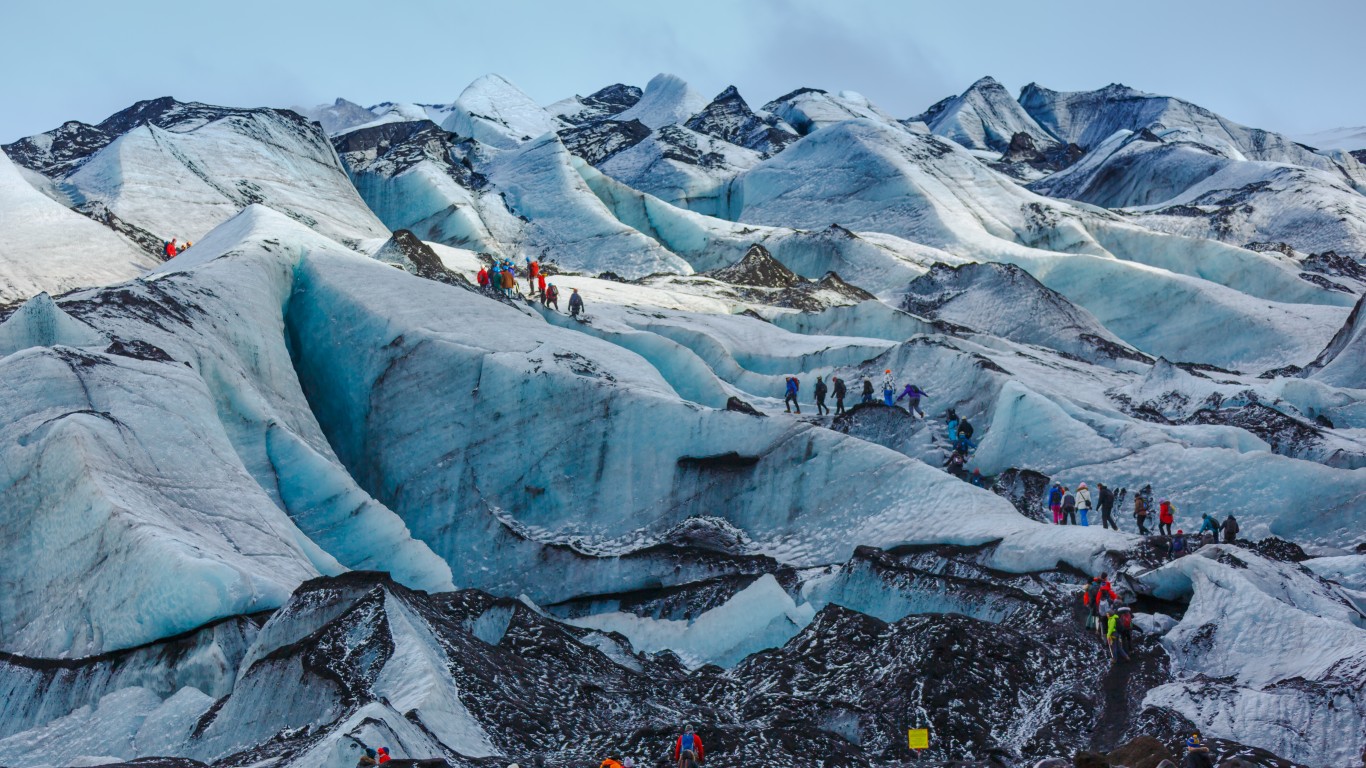
- Most cited risk: Inflation
- Second most cited risk: Non-weather-related natural disasters (earthquakes, volcanoes, etc.)
- Third most cited risk: Economic downturn (e.g. recession, stagnation)
- Fourth most cited risk: Labor or talent shortage
- Fifth most cited risk: Energy supply shortage
8. Hong Kong
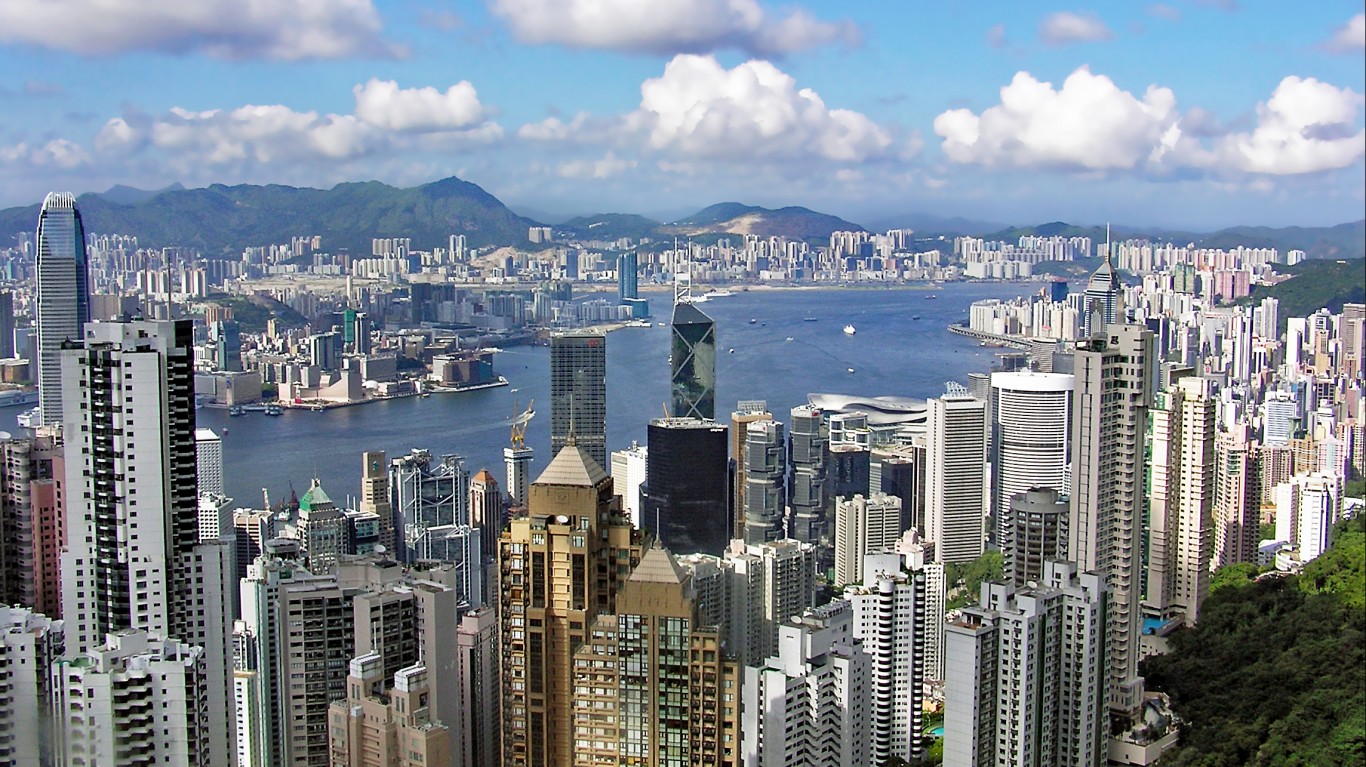
- Most cited risk: Economic downturn (e.g. recession, stagnation)
- Second most cited risk: Labor or talent shortage
- Third most cited risk: Geoeconomic confrontation (sanctions, tariffs, investment screening etc.)
- Fourth most cited risk: Asset bubble burst
- Fifth most cited risk: Unemployment or lack of economic opportunity
7. United States
- Most cited risk: Economic downturn (e.g. recession, stagnation)
- Second most cited risk: Inflation
- Third most cited risk: Adverse outcomes of artificial intelligence technologies
- Fourth most cited risk: Food supply shortage
- Fifth most cited risk: Extreme weather events (floods, heatwaves etc.)
6. Brunei Darussalam
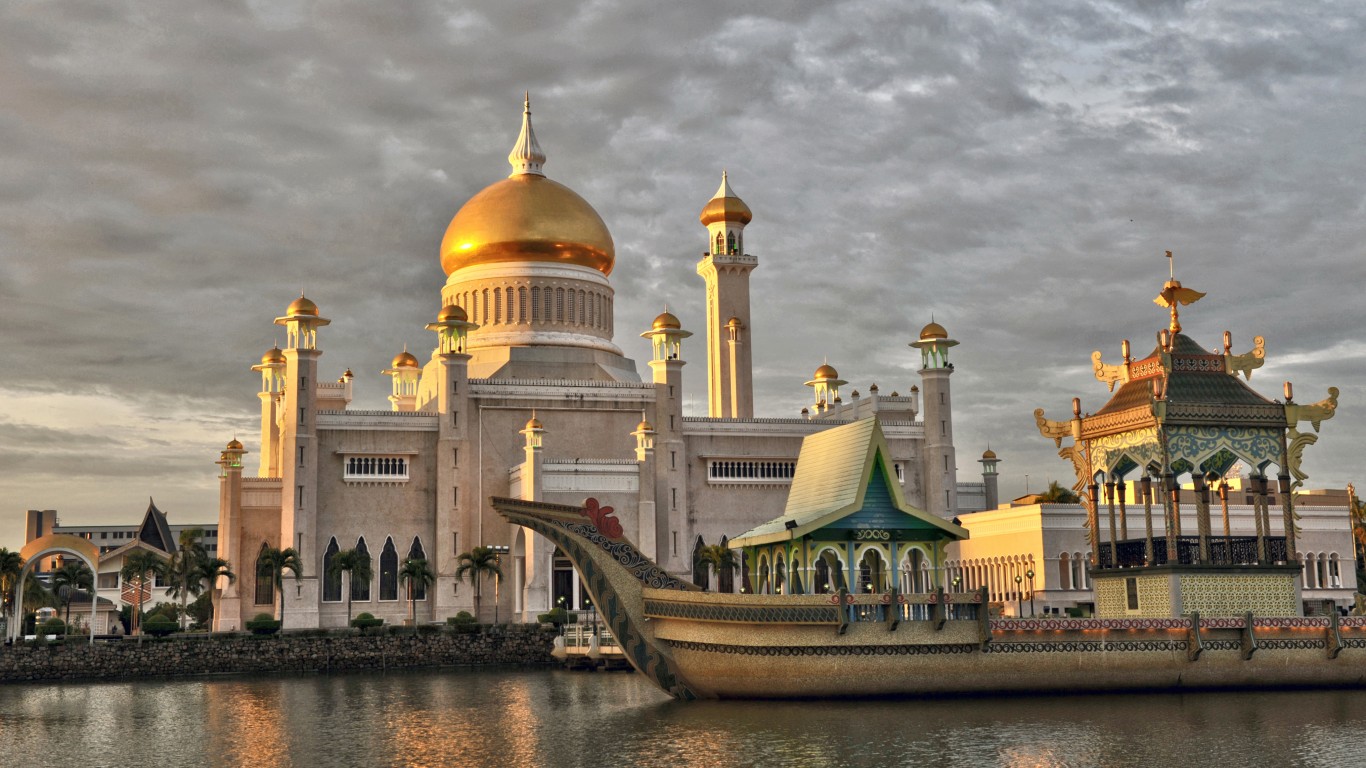
- Most cited risk: Unemployment or lack of economic opportunity
- Second most cited risk: Labor or talent shortage
- Third most cited risk: Economic downturn (e.g. recession, stagnation)
- Fourth most cited risk: Inflation
- Fifth most cited risk: Poverty and inequality (wealth, income)
5. Switzerland
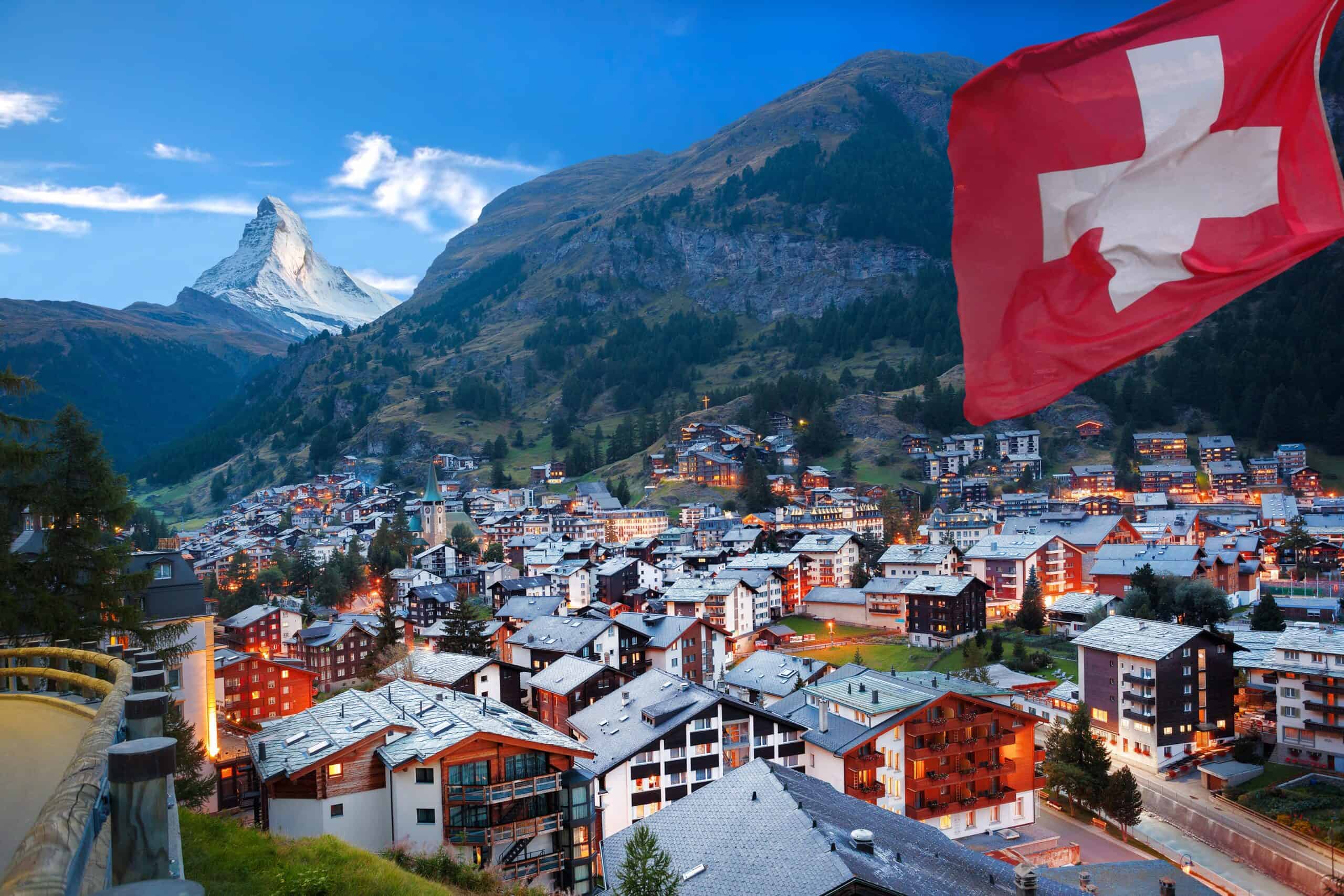
- Most cited risk: Labor or talent shortage
- Second most cited risk: Economic downturn (e.g. recession, stagnation)
- Third most cited risk: Energy supply shortage
- Fourth most cited risk: Extreme weather events (floods, heatwaves etc.)
- Fifth most cited risk: Cyber insecurity
4. Luxembourg
- Most cited risk: Labor or talent shortage
- Second most cited risk: Economic downturn (e.g. recession, stagnation)
- Third most cited risk: Cyber insecurity
- Fourth most cited risk: Private debt (corporate, household)
- Fifth most cited risk: Inflation
3. Ireland
- Most cited risk: Labor or talent shortage
- Second most cited risk: Economic downturn (e.g. recession, stagnation)
- Third most cited risk: Misinformation and disinformation
- Fourth most cited risk: Energy supply shortage
- Fifth most cited risk: Cyber insecurity
2. Norway
- Most cited risk: Economic downturn (e.g. recession, stagnation)
- Second most cited risk: Labor or talent shortage
- Third most cited risk: Energy supply shortage
- Fourth most cited risk: Involuntary migration
- Fifth most cited risk: Intrastate violence (civil strikes, riots)
1. Singapore

- Most cited risk: Labor or talent shortage
- Second most cited risk: Economic downturn (e.g. recession, stagnation)
- Third most cited risk: Inflation
- Fourth most cited risk: Cyber insecurity
- Fifth most cited risk: Adverse outcomes of artificial intelligence technologies










 Top Gaining Stocks
 Top Losing Stocks