



A new Gallup poll shows:
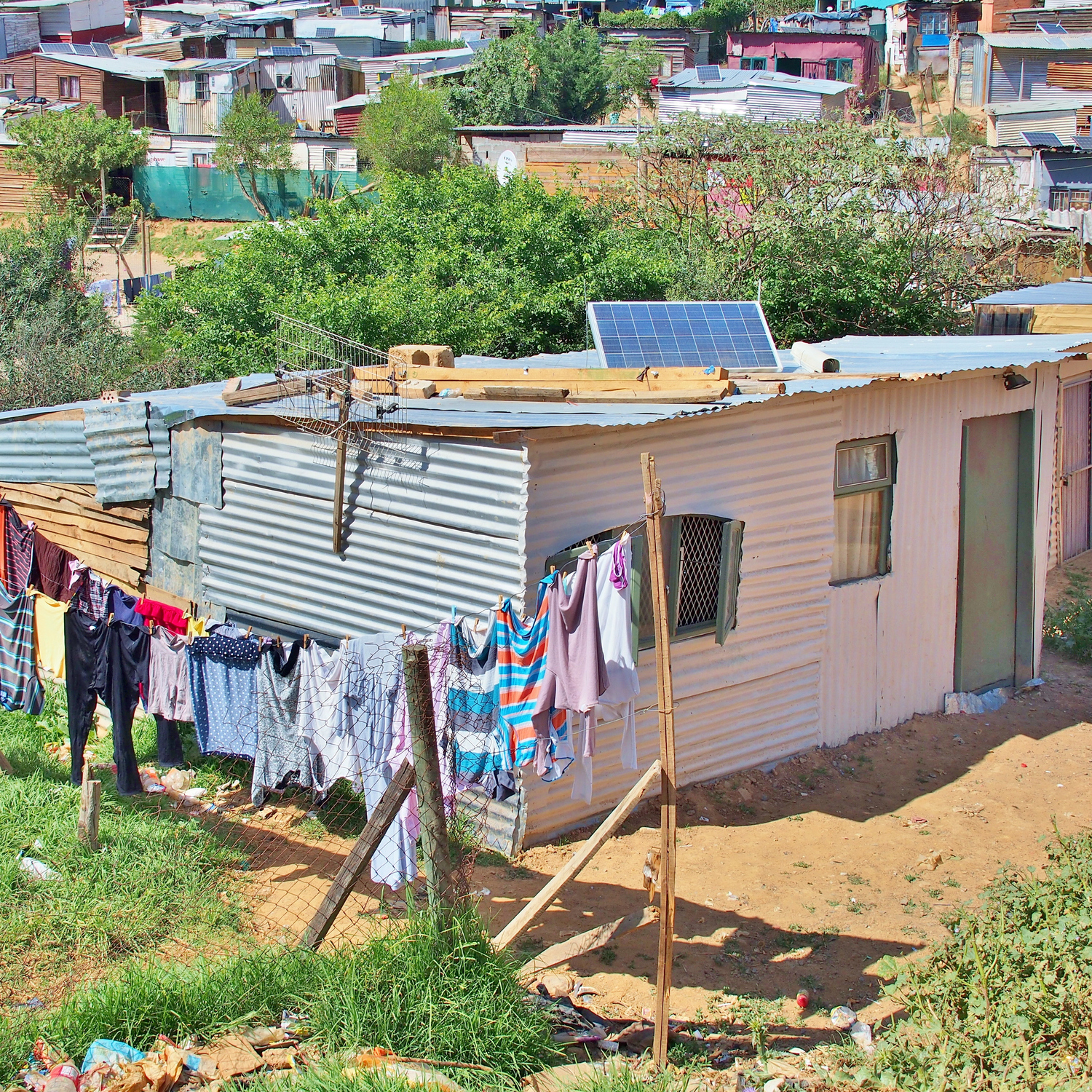
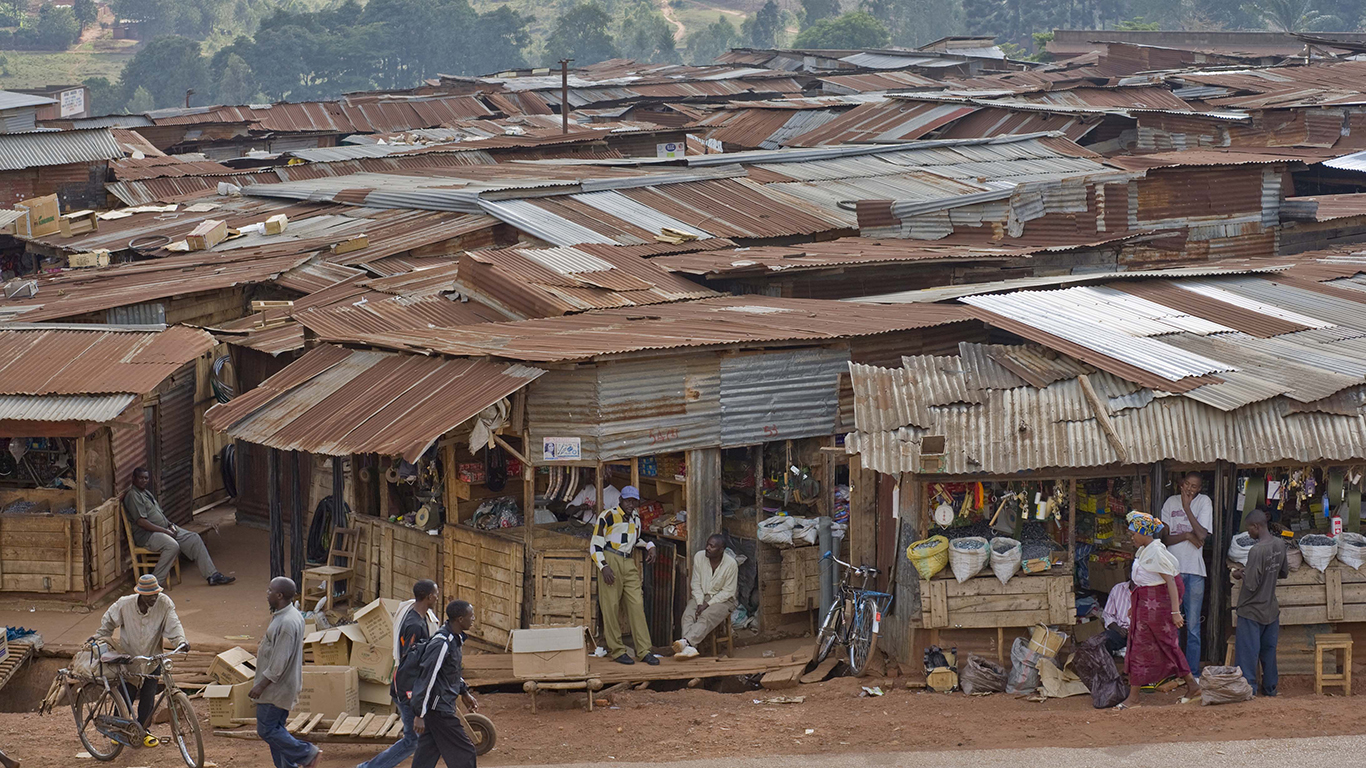
Fewer than one in 10 respondents in 41 nations said they had Internet access in their home, including 0% in Burundi, Guinea, Mali, and Madagascar. Yemen, India, Afghanistan, Pakistan, and Haiti are also among the countries where home Internet access remains highly rare.
By contrast, Internet access is above 80% among households in 23 countries. At the top of the list are Sweden, Singapore, Denmark and Netherlands. The per-capita income in each of the countries is extremely high, just as much as the same measure shows in countries with low Internet access.
The Internet access problem is among those that cannot be solved. Poor nations will not have access to capital, except in those few countries rich in oil or minerals. And, in most of these countries, wealth does no pass beyond the hands of a very few people. These nations also have no capital or infrastructure needed to take Internet into cities or rural areas. There is absolutely no way for those conditions to change now, or in the decades ahead.
The ability for people to be educated through formal means or self-help is almost completely hampered by the lack of Internet access, now that most of the world’s information is online. In countries like Burundi, Guinea, Mali and Madagascar, the future for almost everyone is bleak, and probably will get bleaker, if an educated population has any relationship to economic growth and the lessening of poverty.
Methodology: Results are based on telephone or face-to-face interviews with at least 1,000 adults in each country, aged 15 and older, conducted in 2011.









 Top Gaining Stocks
 Top Losing Stocks