Gates and Ballmer on Microsoft Board Means No CEO Independence

Photo of Douglas A. McIntyre
By Douglas A. McIntyre Published
This post may contain links from our sponsors and affiliates, and Flywheel Publishing may receive compensation for actions taken through them.

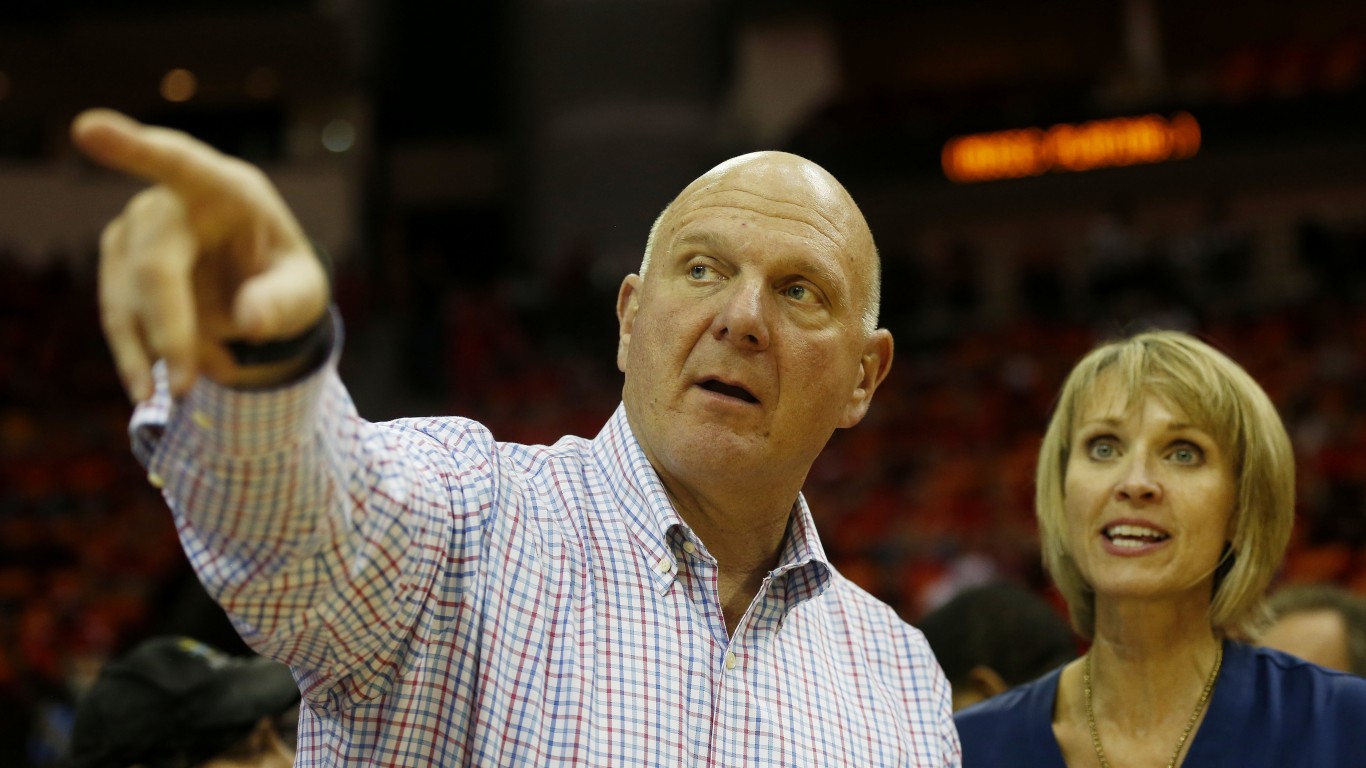
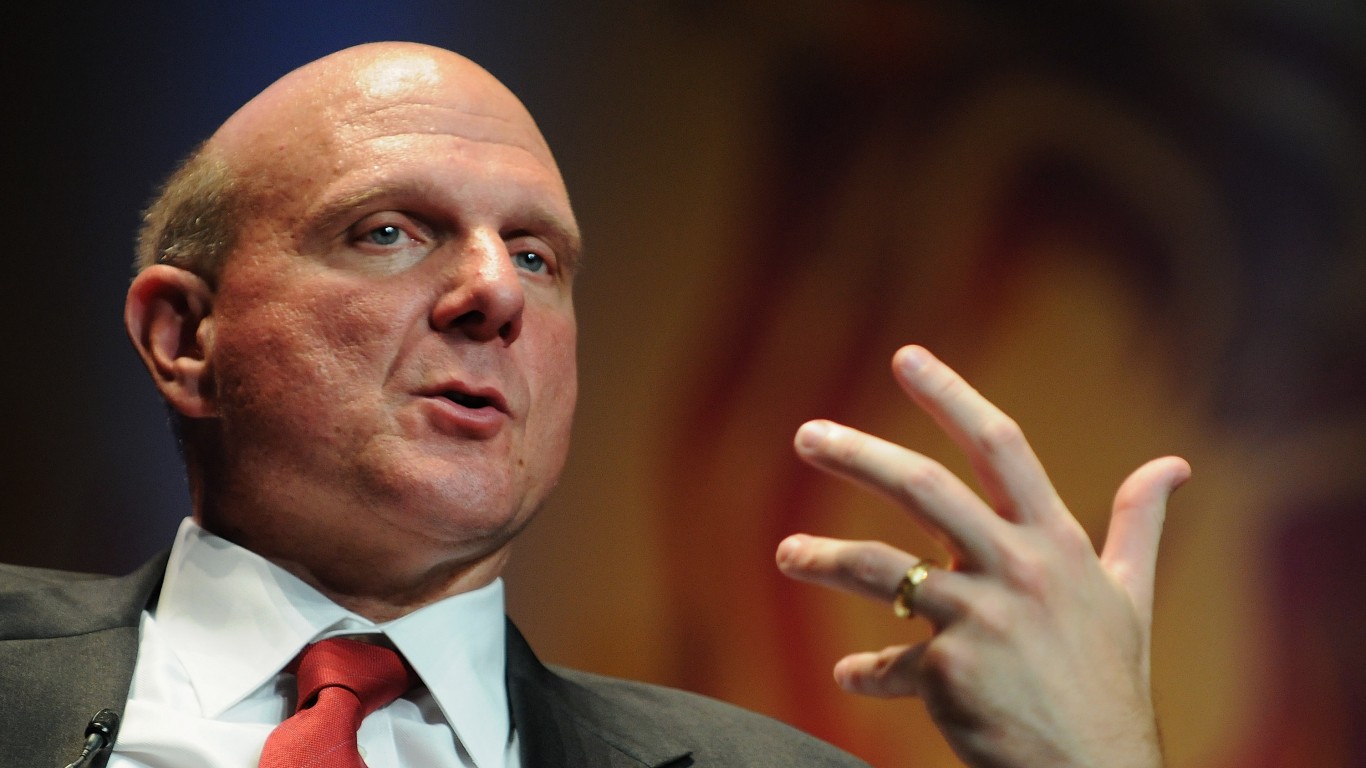
Bill Gates earned his position on Microsoft Corp.’s (NASDAQ: MSFT) board and as its chairman because of his role as founder and long-time chief executive officer. Despite the outcry among investors that he will dominate all future strategic decisions, he could very well remain on the board until the end of his life. Steve Ballmer is another matter. He is a large shareholder and the current CEO. But if he stays on the Microsoft board, then two men, not one, will overshadow a new CEO. Ballmer can do just that. He and Gates are board nominees, according to Microsoft’s new proxy.

Many CEOs remain on their boards for a period of transition, in essence to help a new CEO along. Ballmer was never one to grant his executives much independence. He often let go those who did not agree with him. Additionally, he fumbled Microsoft’s chances to move from personal computers to other devices. This kind of failure is rarely rewarded with a board seat. However, Ballmer has been Gates’s number two, and the argument could be made that he held that position even as CEO.

A company has to list the qualifications of each board nominee. Aside from Ballmer’s 3.9% ownership of Microsoft stock, which is not mentioned, his qualifications are these:

Mr. Ballmer has deep knowledge of the Company’s history, strategies, technologies, and culture. Mr. Ballmer has been the driving force behind the strategies and operational excellence that resulted in revenue tripling and operating income more than doubling since he became Chief Executive Officer in 2000. His leadership of diverse business units and functions before becoming Chief Executive Officer gives Mr. Ballmer powerful insight into the product development, marketing, finance, and operations aspects of the Company. During his tenure Mr. Ballmer has demonstrated the value of diversification of the company’s business lines as he grew thirteen additional businesses to more than $1 billion in revenues. He also led our expansion globally with international revenues growing from 32% to 47% of total annual revenues from 2000 to the present.

The proxy glosses over the fact that Ballmer failed almost totally in the “powerful insight into the product development, marketing, finance, and operations aspects of the Company” measure. Or, at the very least, most of those insights turned out to be wrong. Revenue may have increased on his watch, but not enough to stop the cratering of Microsoft shares since he became CEO, particularly when that performance is measured against the Nasdaq. Microsoft’s share price is off 40% since the start of 2000, which also happened to be the peak of the Internet stock market bubble. The Nasdaq index is flat during the same time.

Ballmer is on the Microsoft ballot because he can be. Gates is his critical ally. The balance of the board, often considered people who would not dare defy the founder, have gone along with keeping Ballmer in place. If there is any evidence necessary that a new CEO will have little independence, it is Ballmer’s continuing presence on the board and Gates’s support of it.

Photo of Douglas A. McIntyre
About the Author Douglas A. McIntyre →

Douglas A. McIntyre is the co-founder, chief executive officer and editor in chief of 24/7 Wall St. and 24/7 Tempo. He has held these jobs since 2006.

McIntyre has written thousands of articles for 24/7 Wall St. He is an expert on corporate finance, the automotive industry, media companies and international finance. He has edited articles on national demographics, sports, personal income and travel.

His work has been quoted or mentioned in The New York Times, The Wall Street Journal, Los Angeles Times, The Washington Post, NBC News, Time, The New Yorker, HuffPost USA Today, Business Insider, Yahoo, AOL, MarketWatch, The Atlantic, Bloomberg, New York Post, Chicago Tribune, Forbes, The Guardian and many other major publications. McIntyre has been a guest on CNBC, the BBC and television and radio stations across the country.

A magna cum laude graduate of Harvard College, McIntyre also was president of The Harvard Advocate. Founded in 1866, the Advocate is the oldest college publication in the United States.

TheStreet.com, Comps.com and Edgar Online are some of the public companies for which McIntyre served on the board of directors. He was a Vicinity Corporation board member when the company was sold to Microsoft in 2002. He served on the audit committees of some of these companies.

McIntyre has been the CEO of FutureSource, a provider of trading terminals and news to commodities and futures traders. He was president of Switchboard, the online phone directory company. He served as chairman and CEO of On2 Technologies, the video compression company that provided video compression software for Adobe’s Flash. Google bought On2 in 2009.

Our $500K AI Portfolio

See us invest in our favorite AI stock ideas for free

Our Investment Portfolio

Continue Reading

Top Gaining Stocks

CBOE Vol: 1,568,143
PSKY Vol: 12,285,993
STX Vol: 7,378,346
ORCL Vol: 26,317,675
DDOG Vol: 6,247,779

Top Losing Stocks

LKQ
LKQ Vol: 4,367,433
CLX Vol: 13,260,523
SYK Vol: 4,519,455
MHK Vol: 1,859,865
AMGN Vol: 3,818,618