



Usually, the market recovers from knee-jerk reactions to earnings estimates pretty quickly, assuming they weren’t radically and fundamentally off, and shares continue on their merry way as they were before. So beyond the short-term headlines of BlackBerry missing estimates, what can we get from its earnings statement regarding its possible future?
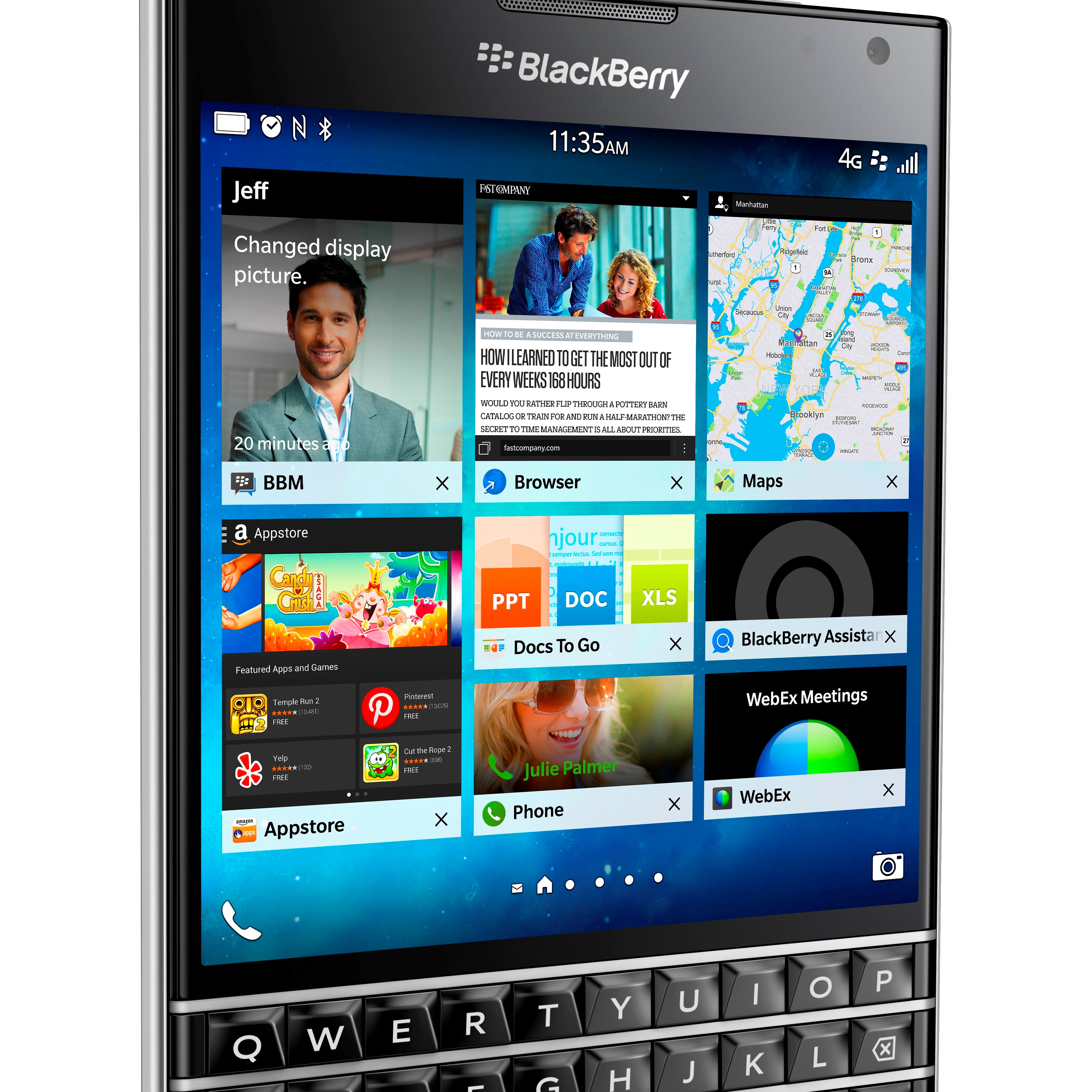
We can pull away two things. First, if rumors of its purported venture into an Android smartphone are true and it succeeds in reviving or at least stabilizing the company’s hardware segment, then BlackBerry will survive, and possibly even recover some small portion of its former glory. If, however, its attempt to reinvigorate its hardware segment fails, then it is likely that either A) segments of the company will be sold off as it consolidates itself into a software company, or B) its strong software segment will be acquired while other parts are sold off in a fire sale.
ALSO READ: How to Protect Yourself From a Summer Stock Market Correction
The most dynamic part of the company right now, and where it is really succeeding, is its software segment. Licensing and patent partnerships are thriving and revenue is growing. Unfortunately, it simply is not big enough yet to compensate for the losses in its hardware and services segments. Software revenue increased 153% from $54 million to $137 million, while its service segment had the largest decrease of nearly 50%, and hardware revenue decreased by 30%.
If the upward trajectory in its software business continues, and the decline in hardware at least stabilizes with the introduction of a decently popular Android phone, then BlackBerry could conceivably halt its decline and reverse. But if efforts to revive hardware are unsuccessful, watch for a doubling down on software, attempts at more and bigger licensing partnerships, and a selling off of other segments in the long run or their discontinuation. At that point, BlackBerry could continue as a software company or else be acquired as one.
Evidence of the company’s possible breakup and consolidation is in its revamping of its organizational structure. BlackBerry is now completing its transition into four separate operating units, which, aside from decentralized operating efficiencies, makes it logistically easier to spin off different segments if it ever comes to that.
One other important plus with BlackBerry is its financial position. Operating cash flows remain positive despite small losses, and debt is a low 33% of market cap. Along with that, the entirety of its debt of $1.55 billion is in the form of convertible debentures at a fixed interest rate of $19 million per year in debt service costs. Interest rates are likely to climb much higher over the next few years, which will give BlackBerry a relative advantage over its competitors with higher debt at floating rates, which will be spending more of their capital servicing past debts. Breathing space like that could be especially important as BlackBerry tries to market a new Android phone.










 Top Gaining Stocks
 Top Losing Stocks