


It’s good to be the king, but it’s a position that is not easy to maintain. Apple Inc. (NASDAQ: AAPL) is still the biggest public company on Wall Street, but the tug-of-war regarding its future direction continues. Upgrades and downgrades on Apple are dotting the financial news as investors are getting a bit confused about who to believe. Who is right?
While there is no definitive answer to these questions without hindsight, and two factors have to be taken in mind. The first is the current state of the business cycle that affects stock across the board. The second are the global prospects of the company itself.
By the most important measures, the United States is currently in the boom phase of the business cycle. Unemployment is low, inflation is stable and credit is expanding rapidly. The dollar supply has expanded by 2.3% since last quarter, which translates to nearly a 10% annual expansion rate. That generally means stocks have a much better chance of trending up for the next few months rather than down. Apple is no exception to this, as added money in the system will fall on the stock, in addition to many others.
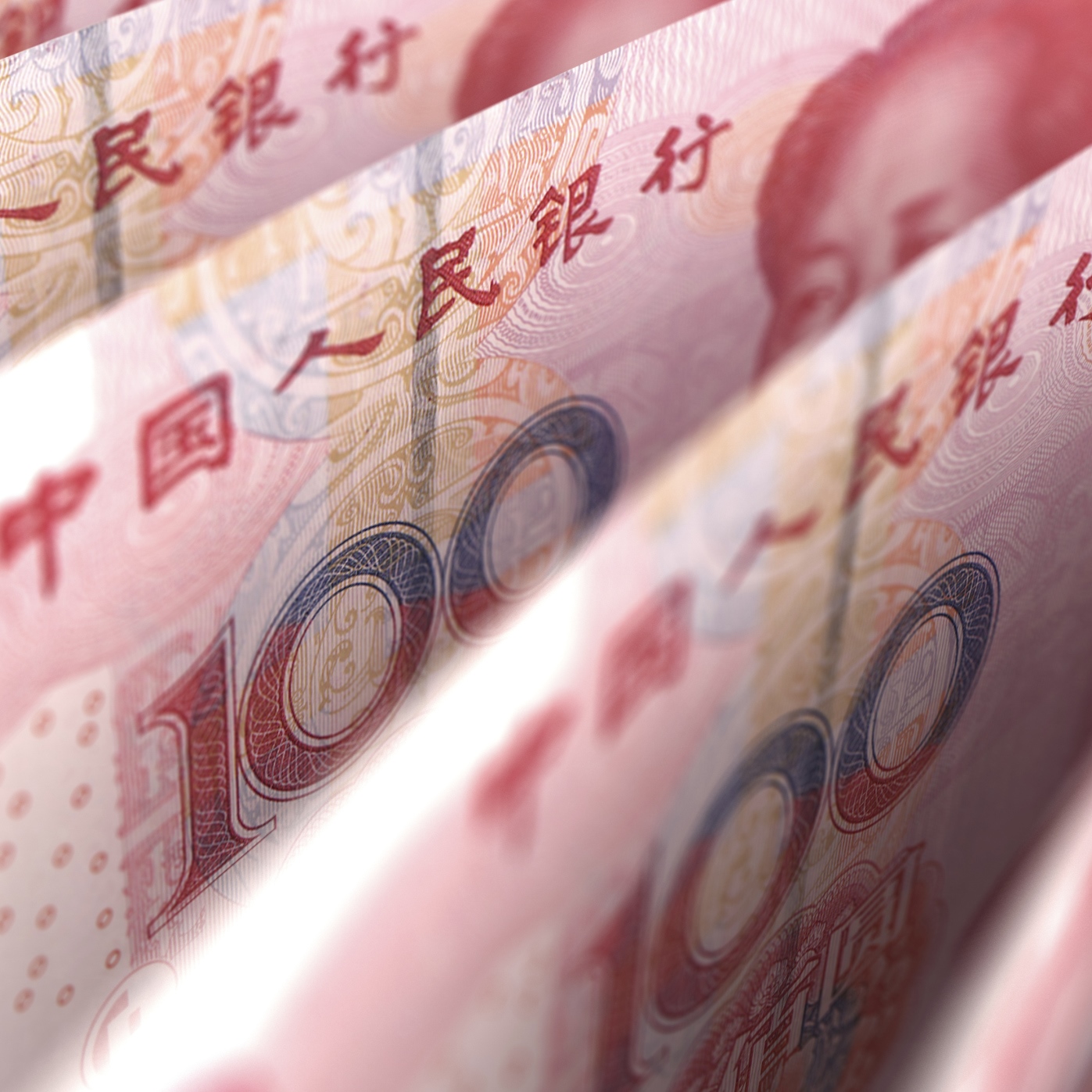
The other factor is more complicated. While the United States, and to a certain extent Europe, are in the expansionary phase of their central bank-created credit cycles, China is undoubtedly in the bust phase, and a stagflationary one at that. After 20 years of money printing on a scale about eight times that of the Federal Reserve, credit expansion is finally slowing there. Worse, China continues to burn through its foreign exchange reserves at a record pace to counter yuan short-sellers, which means the market is trying to bring the yuan down with the People’s Bank of China fighting the pressure. If the central bank gives up, the yuan could fall significantly, and this as their stock market fades. Currency and stocks plummeting together is a sign of stagflation.
The problem for Apple is that China is its third largest market, and the fastest growing one at 84% growth year over year. It is unlikely that this rate of growth will continue in 2016. While it is possible if the average Chinese consumer sets a new iPhone purchase above all else, the Chinese economy has a lot of readjustment to do, which means that the Chinese consumer will have to reprioritize as the bust phase intensifies.
[recirclink id=308263]
A more distant but real problem is the possibility that Donald Trump could be elected and start a trade war with China. In that case, business there could deteriorate significantly by the end of the year for all U.S. companies. And if Congress places tariffs on Chinese goods, the chances of the Chinese government retaliating are high.
Even further out, Apple’s flagship iPhone could be threatened by Lenovo’s new Project Tango, which is trying to outsmart the iPhone with continuous 3D plotting.
So there are two counterbalancing forces here: The United States in the boom phase counteracted by China in the bust phase, with the threat of Trump and Lenovo. Taken together, it looks like Apple will still drift higher with the rest of the major indexes due to expanding credit in the United States, but troubling developments in China and geopolitics look like they will have Apple underperform the broader Nasdaq for 2016.







 Top Gaining Stocks
 Top Losing Stocks