


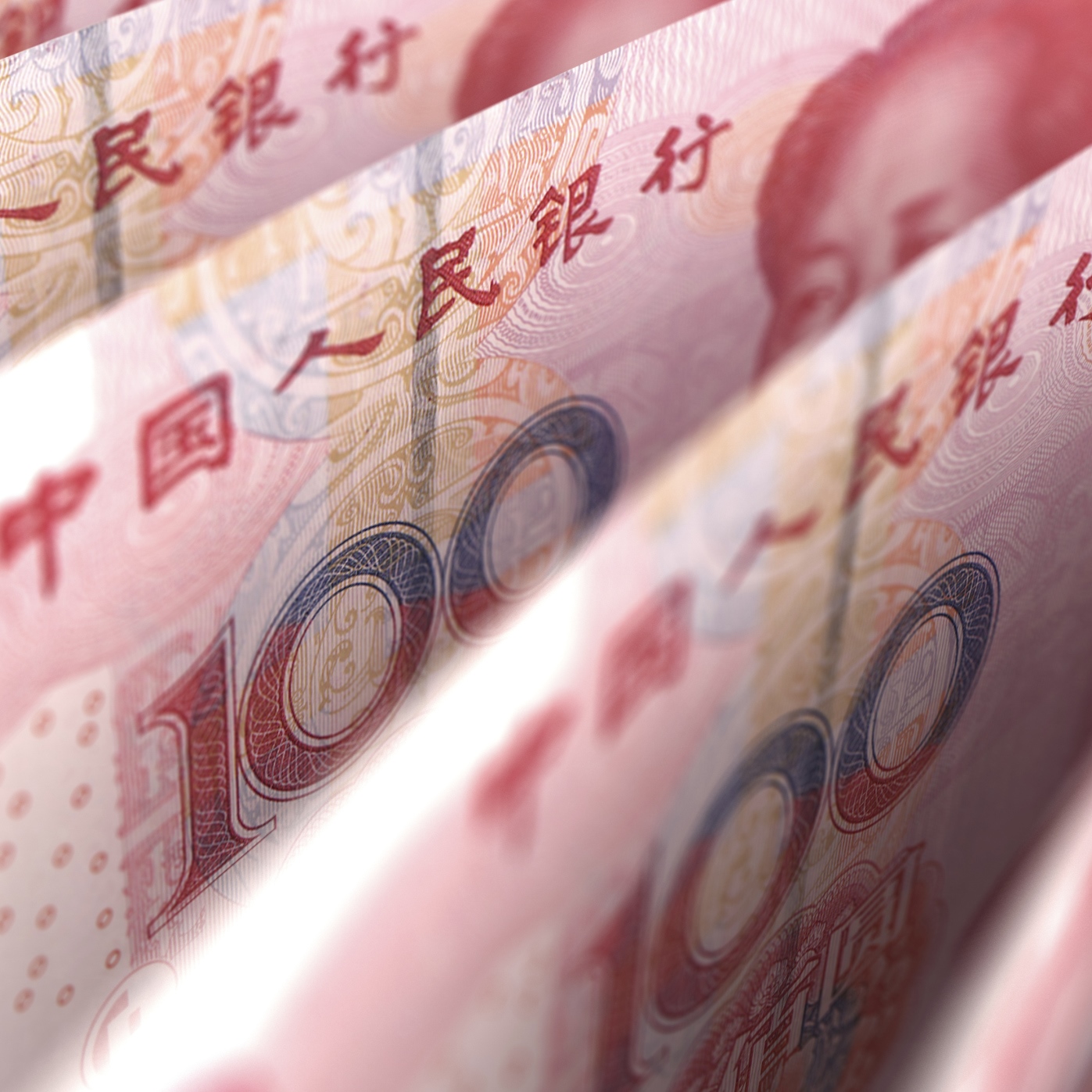
 A series of events in recent days is making it more unlikely that China will allow any revaluation of the yuan and increase the chance that the US will label it a “currency manipulator.
China President Hu Jintao made it clear to President Obama that the People’s Republic will make its own decision on the value of its currency, an aggressive reaction to US efforts to get China to allow its currency to “float” to the value that the capital markets would put on it. According to Reuters, the Chinese President said “In making reforms, we will give careful consideration to global economic developments and changes, as well as to China’s economic condition.” He added action on the yuan would, “neither balance Sino-US trade nor solve the [US] unemployment problem. That does not seem to be a conciliatory approach.
China’s growth in foreign exchange reserves slowed significantly in the first quarter. “China’s foreign exchange reserves rose by $47.9bn to $2,447bn by the end of the first quarter, compared with a $126.5bn rise in the fourth quarter of 2009, the Chinese central bank said yesterday,” according to the FT. The fall-off could be because China’s trade surplus dropped in the first quarter which would argue for the yuan being fairly valued. The trade surplus or deficit, which China posted last month for the first time in four years, is a sign that China’s currency is reasonably valued
But, the trade balance may not be the only reason that currency reserves might change more slowly than in the past. China has pushed huge amounts of capital through its banking system to keep its GDP rising and put in a $585 billion stimulus package last year. It is not clear whether all the costs for the program where paid in 2009. The capital China might have moved into currency reserves may have gone elsewhere.
China further added to the case that its currency is fairly valued when its senior customs official said that the nation’s imports will move up sharply over the next several years while export growth will be modest. According to Reuters, ‘Sheng Guangzu, the head of the General Administration of Customs wrote, “After realizing a recovery, it will be very difficult for Chinese exports to further expand.”‘ Since this is conjecture about future economic activity, it has no empirical support.
China is either building a case that the yuan’s revaluation should be small or that it should not modify its stance on its currency at all. Either is a gamble that it has the upper hand in trade relations with the US and that America cannot do without cheap Chinese goods. That would make for an ugly face-off.
Douglas A. McIntyre






 Top Gaining Stocks
 Top Losing Stocks