


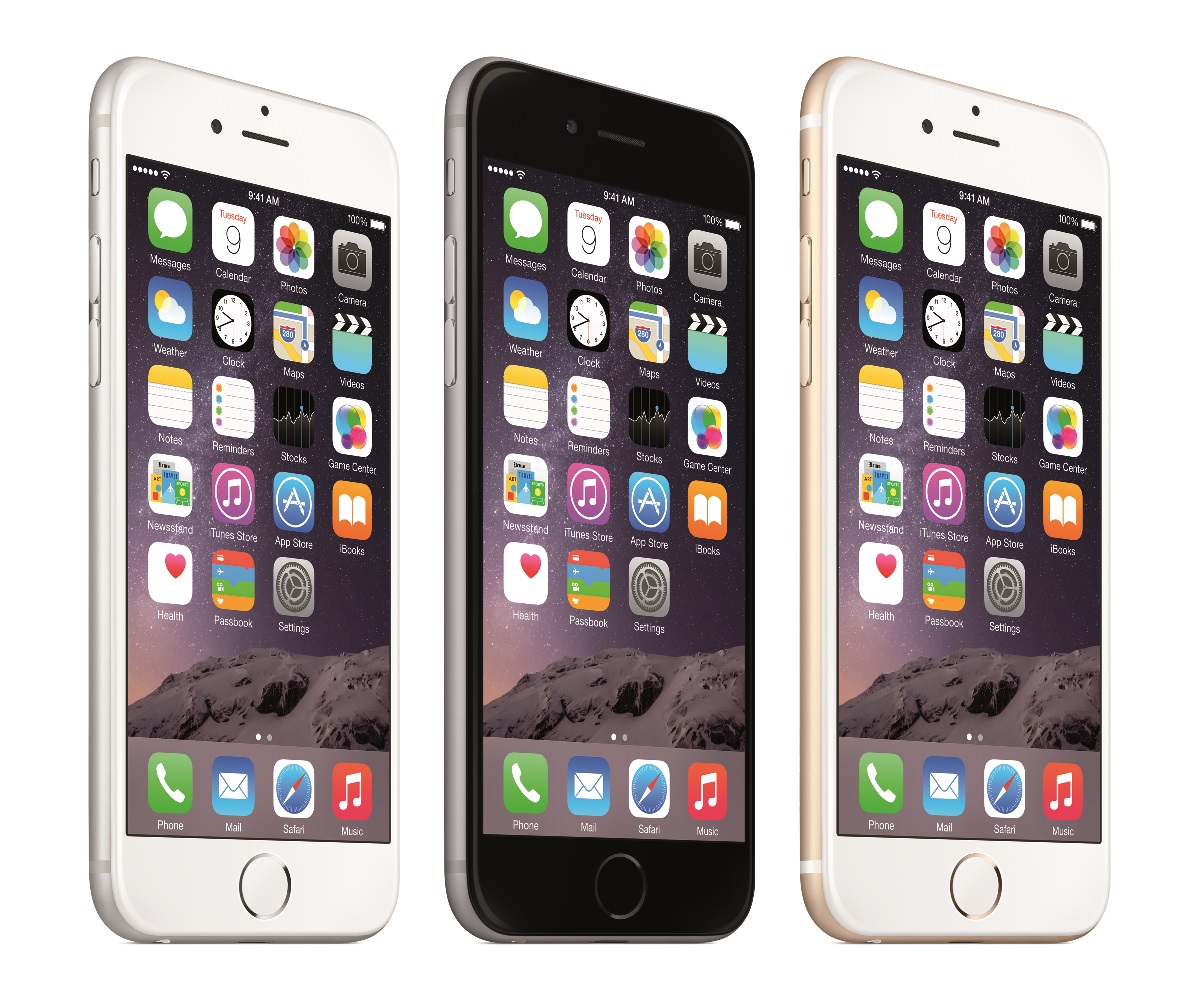
Cybersecurity and personal rights have been the center of attention this week, with Apple Inc. (NASDAQ: AAPL) opposing a court order from the FBI. On the broad strokes, the entire debate is centered on whether the U.S. government — or perhaps any government — has the right to force a company to divulge personal information about its customers. However, it is not as simple as that. The FBI wants Apple to develop software that essentially will create a backdoor into the iPhone operating system (iOS), allowing the government to retrieve information for any iPhone.
This has raised many questions across the business world. It also crosses technology barriers inside and outside of the country, and it generates questions about how consumers feel about their privacy, even after terrorism is involved. How far is the government’s reach? Does national security supersede my right to privacy/encryption? If Apple creates a backdoor, can it be abused? And who will be the gatekeeper?
Apple currently has until February 26, to comply with the courts, but undoubtedly we will hear more as Apple continues to protest and as this date approaches.
Other companies have felt the impact of this monumental move regarding data security, especially in the cybersecurity industry. including: FireEye Inc. (NASDAQ: FEYE), CyberArk Software Ltd. (NASDAQ: CYBR), Palo Alto Networks Inc. (NYSE: PANW) and Rapid7 Inc. (NASDAQ: RPD).
[recirclink id=315326]
Apple CEO Tim Cook released a letter to customers regarding this recent turn of events. He described how pervasive the threat to data security could be:
Some would argue that building a backdoor for just one iPhone is a simple, clean-cut solution. But it ignores both the basics of digital security and the significance of what the government is demanding in this case.
In today’s digital world, the “key” to an encrypted system is a piece of information that unlocks the data, and it is only as secure as the protections around it. Once the information is known, or a way to bypass the code is revealed, the encryption can be defeated by anyone with that knowledge.
The government suggests this tool could only be used once, on one phone. But that’s simply not true. Once created, the technique could be used over and over again, on any number of devices. In the physical world, it would be the equivalent of a master key, capable of opening hundreds of millions of locks — from restaurants and banks to stores and homes. No reasonable person would find that acceptable.
The government is asking Apple to hack our own users and undermine decades of security advancements that protect our customers — including tens of millions of American citizens — from sophisticated hackers and cybercriminals. The same engineers who built strong encryption into the iPhone to protect our users would, ironically, be ordered to weaken those protections and make our users less safe.
We can find no precedent for an American company being forced to expose its customers to a greater risk of attack. For years, cryptologists and national security experts have been warning against weakening encryption. Doing so would hurt only the well-meaning and law-abiding citizens who rely on companies like Apple to protect their data. Criminals and bad actors will still encrypt, using tools that are readily available to them.
24/7 Wall Street has put together a montage of a few key cybersecurity stocks that have felt the impact of Apple over the course of this week.
Shares of Apple were relatively flat at last look, at $96.37, with a consensus analyst price target of $135.92 and a 52-week trading range of $92.00 to $134.54. Over the course of this week, the stock was up 2.5%.
FireEye shares were trading up 3.4% to $13.93, with a consensus price target of $23.20 and a 52-week range of $11.35 to $55.33. This past week, the stock was up 16%.
[nativounit]
CyberArk was trading flat at $35.97. Its consensus price target is $45.69, and the 52-week range of $31.50 to $76.35. This week, shares rose 9.7%.
Shares of Palo Alto Networks traded up 3.2% to $127.00, within a 52-week trading range of $111.09 to $200.55. The consensus price target is $203.69. The stock was up 2.6% this week, though shares were up as high as 8.1% during the week.
Rapid7 shares were last seen up 7.5% to $13.11. The consensus analyst target is $19.20, and the 52-week range is $9.05 to $27.45. The stock was up 15.6% this week.










 Top Gaining Stocks
 Top Losing Stocks