


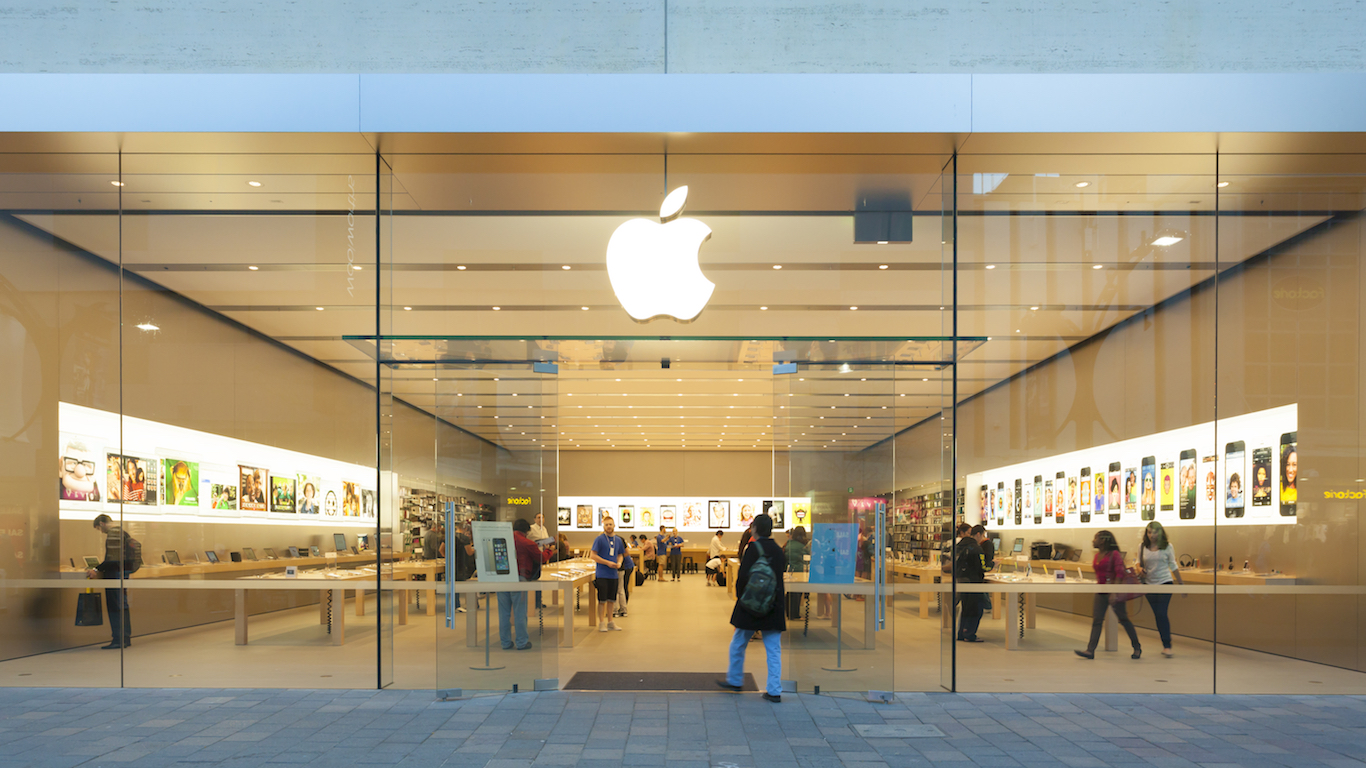
The Nasdaq Composite has reached an all-time record of 7,403.89, a number that was unimaginable after its collapse in 2002 to 1,108.49 as the tech bubble burst. The poster child of the current Nasdaq success is Apple Inc. (NASDAQ: AAPL). It is the most valuable component of the index and a symbol of a comeback in tech that was well over a decade in the making. Its future, entwined with most other major tech companies, could set the tone for the index’s next big move.
Apple’s share price was just over $1 at the bottom of the Nasdaq sell-off. Many of the other components were so small they were not public companies. Advances in PCs and smartphones pushed Apple’s shares up during the 16 years. So did the sort of product development that would make the company among the most innovative in history and its CEO Steve Jobs the most famous, and perhaps admired, CEO in the world.
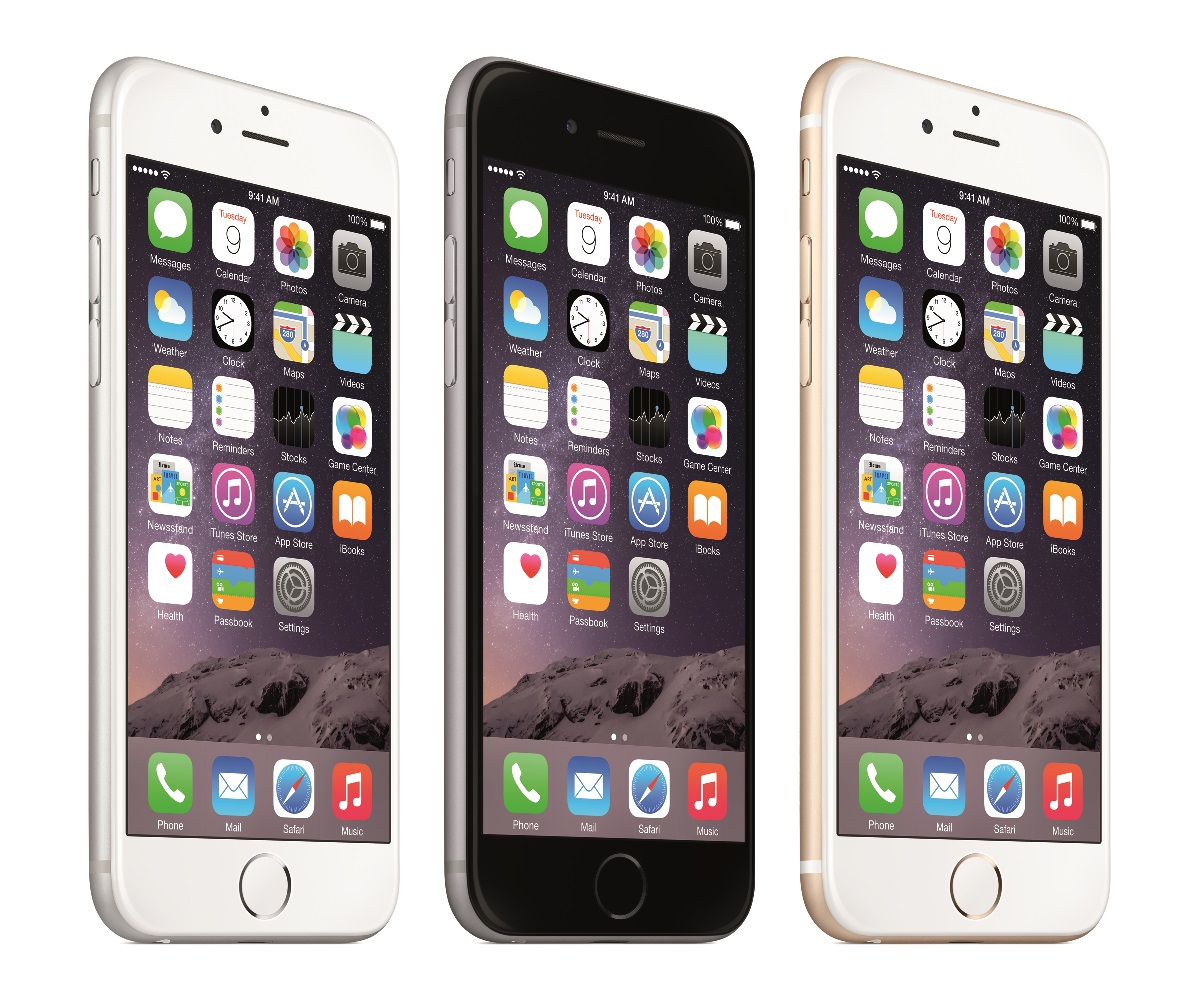
Apple faces three challenges. The first is that PCs and smartphones may near a cap regarding what the public wants from them. How fast can the devices get? How good can their cameras be? How much can tech companies increase prices? How hard is it to expand outside the United States, particularly in the massive China and India markets? Apple has struggled to meet its ambitious goals in China.
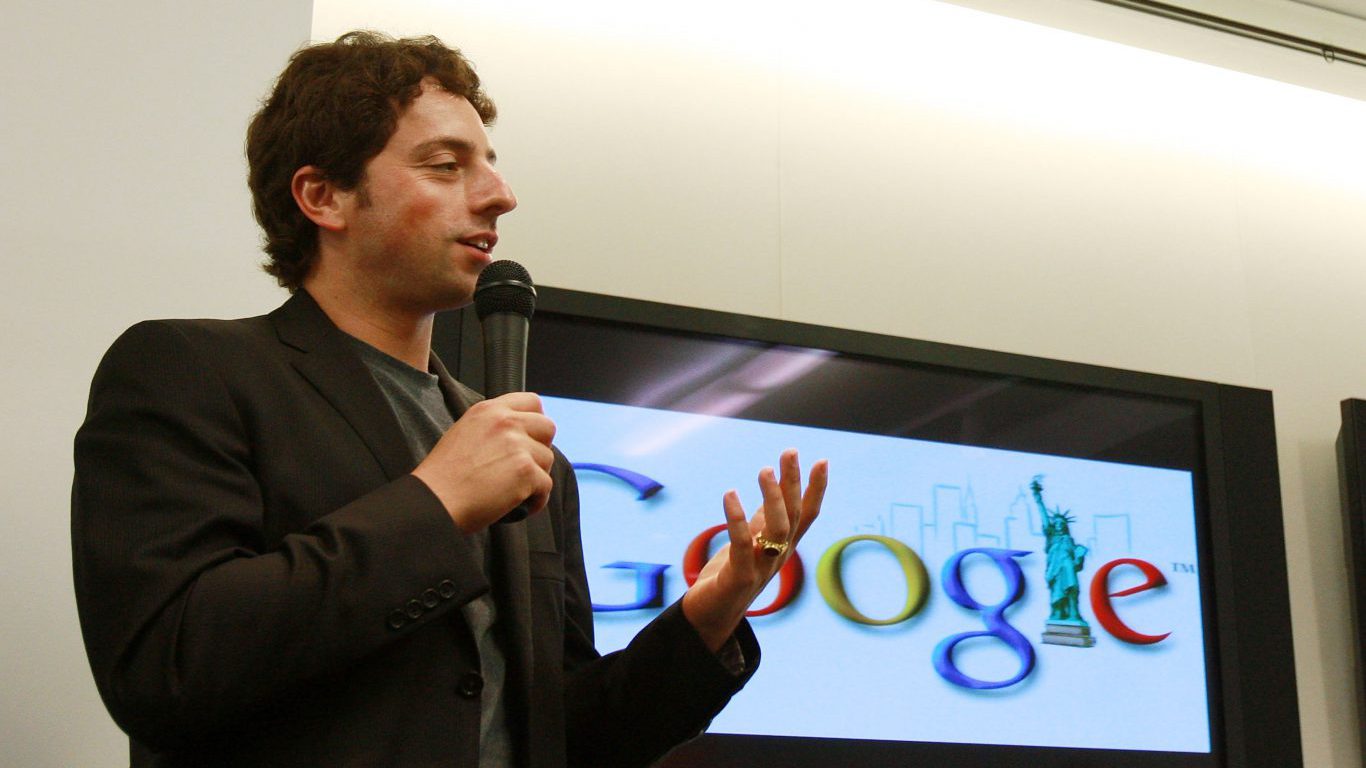
The second challenge is a war with regulators around the world. Google was just hit by the European Union with a $5 billion fine. It is the most massive antitrust fine in history. Apple is not immune from government regulation and challenges outside the United States, mainly because of the labyrinth of laws and fickle governments.
[nativounit]
Finally, wars among the world’s tech company leaders may be the largest challenge for most of them. This puts the future of Amazon.com Inc. (NASDAQ: AMZN), Google’s parent Alphabet Inc. (NASDAQ: GOOGL), and Microsoft Corp. (NASDAQ: MSFT) in jeopardy. Each is tearing into the businesses of others. Amazon, Alphabet and Apple each want to be dominant in the streaming media business. All see part of their future in cloud computing. Each has a pile of cash it can use for M&A, sometimes competing for the same targets. The list is long.
The future of Apple is tied up with some factors it cannot control. That means its future, and that of the Nasdaq, is at risk from forces that are unpredictable.
[recirclink id=469109]
[wallst_email_signup]









 Top Gaining Stocks
 Top Losing Stocks