


The European Union antitrust arm has become more aggressive about its investigation into Apple Inc.’s (NASDAQ: AAPL | AAPL Price Prediction) business operations. Currently, the focus is on Apple’s App Store and its Apple Pay operation. Apple could be broken into two pieces to satisfy the antitrust authorities by dividing its hardware and services businesses.
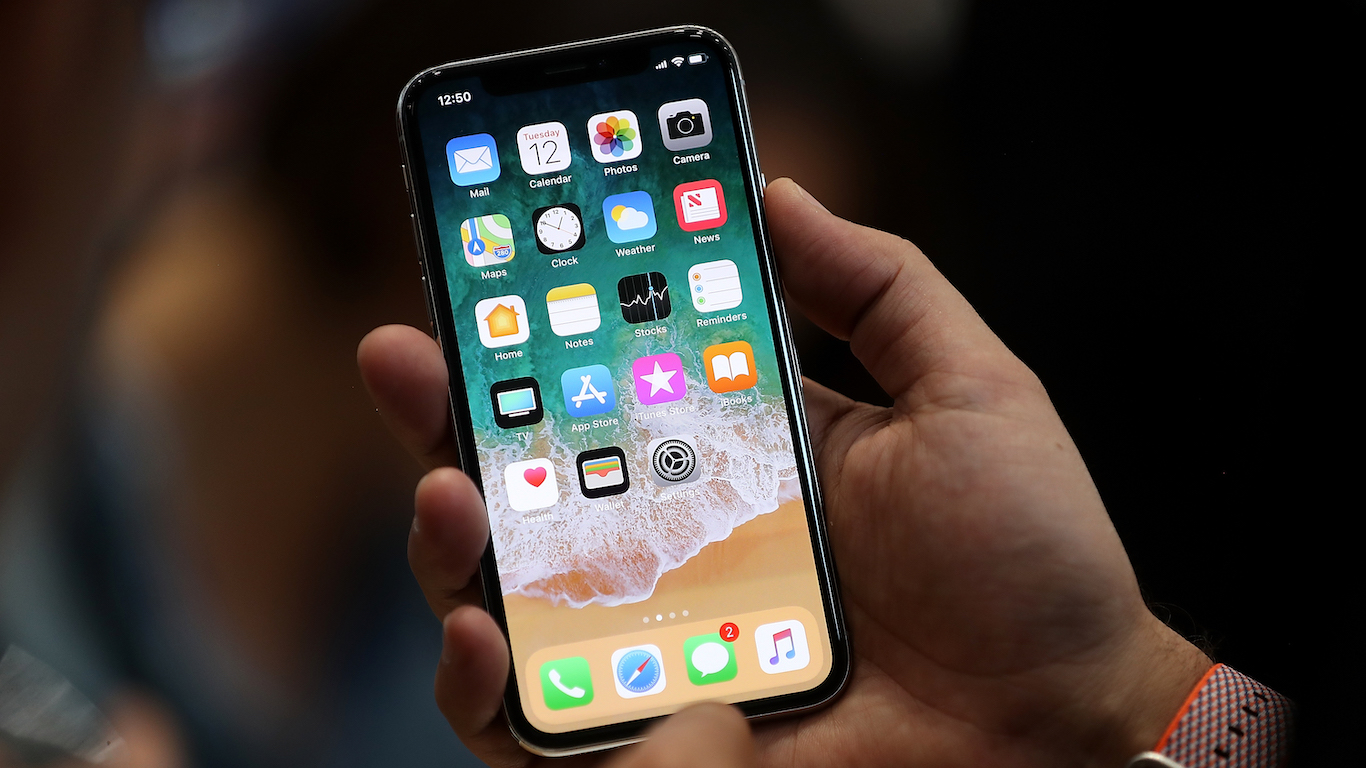
The App Store is the way that Apple hardware owners get everything from games to travel planners to health tips to the news for their Apple devices. Many of the apps are “curated” by Apple. They receive ratings made by humans. Humans also pick the best apps and games for customers. Other humans decide many of the apps that can and cannot be shown in the App Store. Many apps are rejected. Apple claims the reasons are “minor bugs” and “privacy concerns,” which may be accurate. These services, married with Apple’s hardware, antitrust officials argue, is too closed to be fair to developers. And it is too closed to let hardware owners have a larger universe of apps.
Apple Pay is a means for customers to buy goods and services in a way similar to credit card use. Apple decides which credit cards work with Apple Pay. Although the list is long, particularly in the United States, it is not open to all credit card companies. Customers can get cash back when they buy items at Apple’s physical stores, the App Store or Apple services. People without Apple devices cannot use it.
The most direct way to break up Apple is to separate its services businesses from its hardware operations. The hardware company would own the iPhone, iPad, Apple Watch and Mac products. The second company would have Apple’s services businesses. This includes the App Store, Apple Pay, Apple Music, its iCloud storage businesses, the new Apple TV+ streaming service and Apple’s search advertising business.
[nativounit]
Services is Apple’s fastest-growing business by far. In its most recent quarter, which ended on March 30, part of the headline was that services revenue hit an all-time high of $13.3 billion. Much of the appeal of Apple’s stock is this breakout performance. In the quarter, Apple’s product revenue, which is fundamentally its hardware, suffered a drop in revenue from $46.6 billion in the previous year’s quarter to $45.0 billion. Services revenue rose from $11.5 billion to $13.3 billion. This increase was the reason Apple was able to post overall growth in revenue.
The “cost of sales” of the two businesses is very different. For Apple product revenue it was 69%. For services, the figure was 34%. It is little wonder why investors believe these businesses are so important.
If Apple’s hardware business is separated from its services business Apple, services would not have a “closed garden” to feed Apple’s devices. Each business could stand on its own financially. This breakup would mean the two businesses could not rely almost completely on the other. This, in turn, would drive more competition for each.
[recirclink id=713740]
[wallst_email_signup]









 Top Gaining Stocks
 Top Losing Stocks