


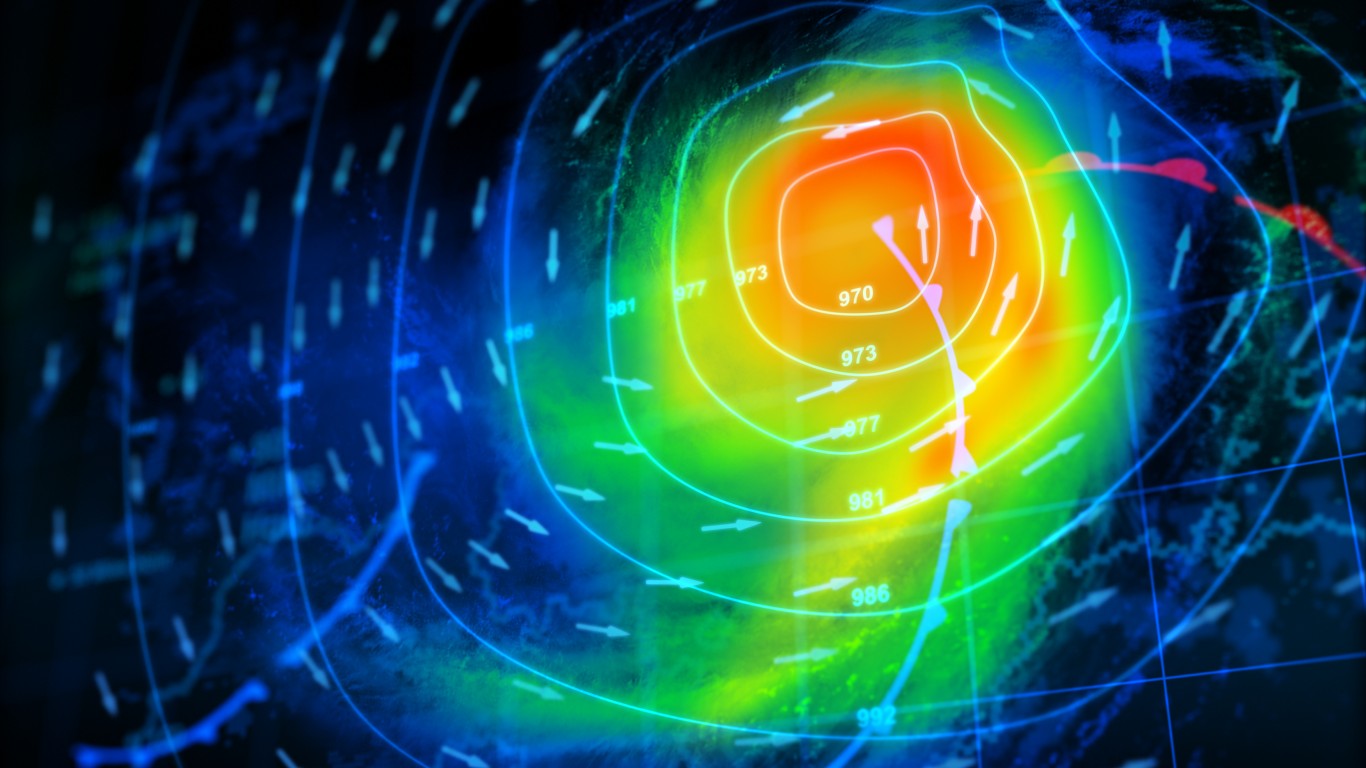
The National Weather Service (NWS), a division of the National Oceanic and Atmospheric Administration (NOAA), claims it makes 6.3 billion observations a day, which it says is the way it tracks weather around the world and makes accurate forecasts. To register how large the figure is, note that the number equates to about 80% of the world’s population. The figure seems impossible, but the NOAA has explanations.
Most of the information comes from satellites. Some of this comes from direct observations of the atmosphere, land and water. However, a great deal originates with what the agency calls “remote sensing.” Based on an ability to get information from an object with which it does not have contact, it is at the core of NWS data gathering. “Remote sensing provides a unique perspective from which to observe large regions. These sensors can measure energy at wavelengths which are beyond the range of human vision,” says the agency.
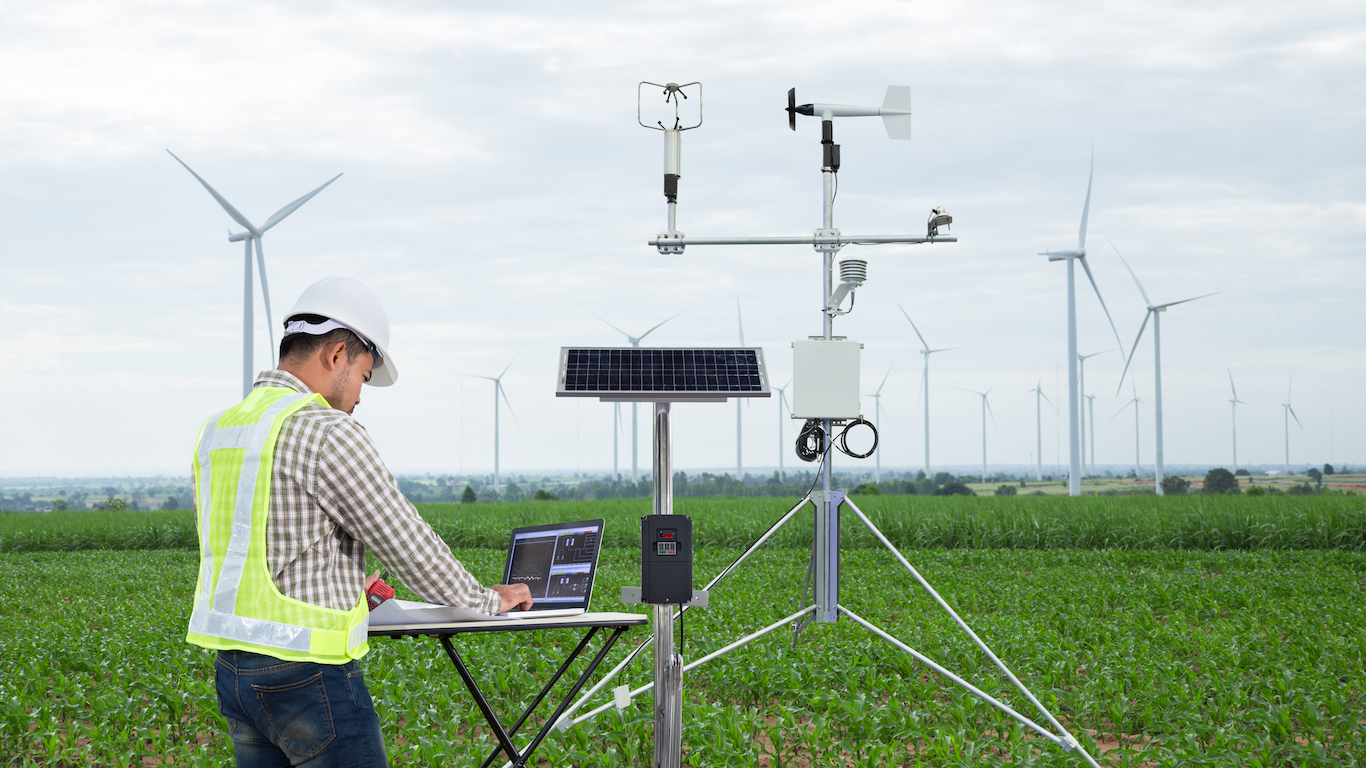
Weather radar is the second-largest source of information. Additionally, the NWS launches balloons twice a day from 100 locations. These balloons test for wind speed, atmospheric pressure, temperature and humidity.
Another program includes cooperation among several agencies. The Automated Surface Observing Systems is a joint venture with the Federal Aviation Administration and the Department of Defense. One primary goal of the venture is to check conditions at runways across the nation’s airports.
[nativounit]
The NWS also gathers data from commercial aircraft. Called Aircraft Meteorological Data Reports, they are based on information from private planes. The companies that are part of the program include American, Delta, Federal Express, Northwest, Southwest, United and UPS.
Finally, moored buoys carry weather collection equipment. These are set up in areas that range from the western Atlantic to the Pacific Ocean around Hawaii, and from the Bering Sea to the South Pacific. They collect data on barometric pressure; wind direction, speed and gusts; air and sea temperature; and wave energy, which includes wave height.
Asked about the 6.3 billion figure, a spokesperson said, “On average we collect over 6 billion observations a day. That number fluctuates daily depending on ongoing weather events (we supplement our observations during active weather).”
So, that massive figure is not the same every day.
[recirclink id=811806]
[wallst_email_signup]













 Top Gaining Stocks
 Top Losing Stocks