


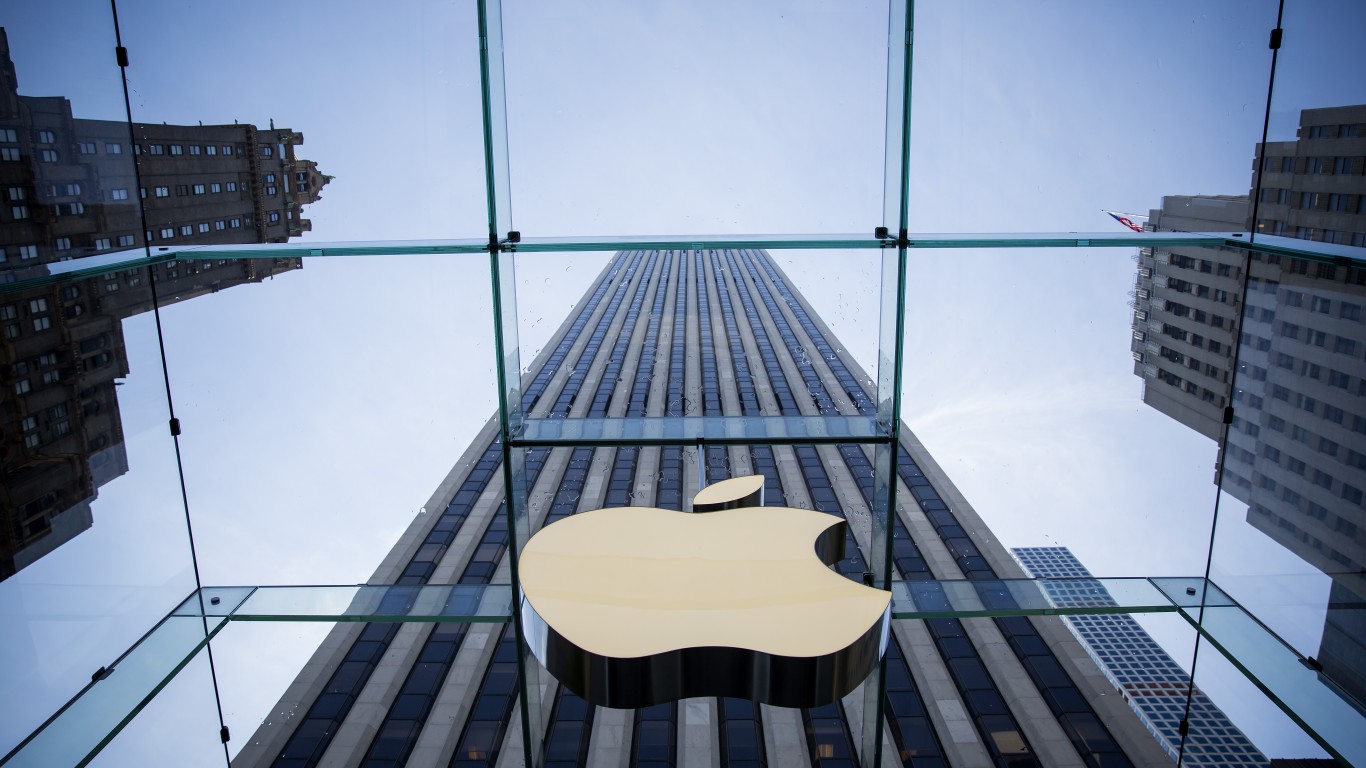
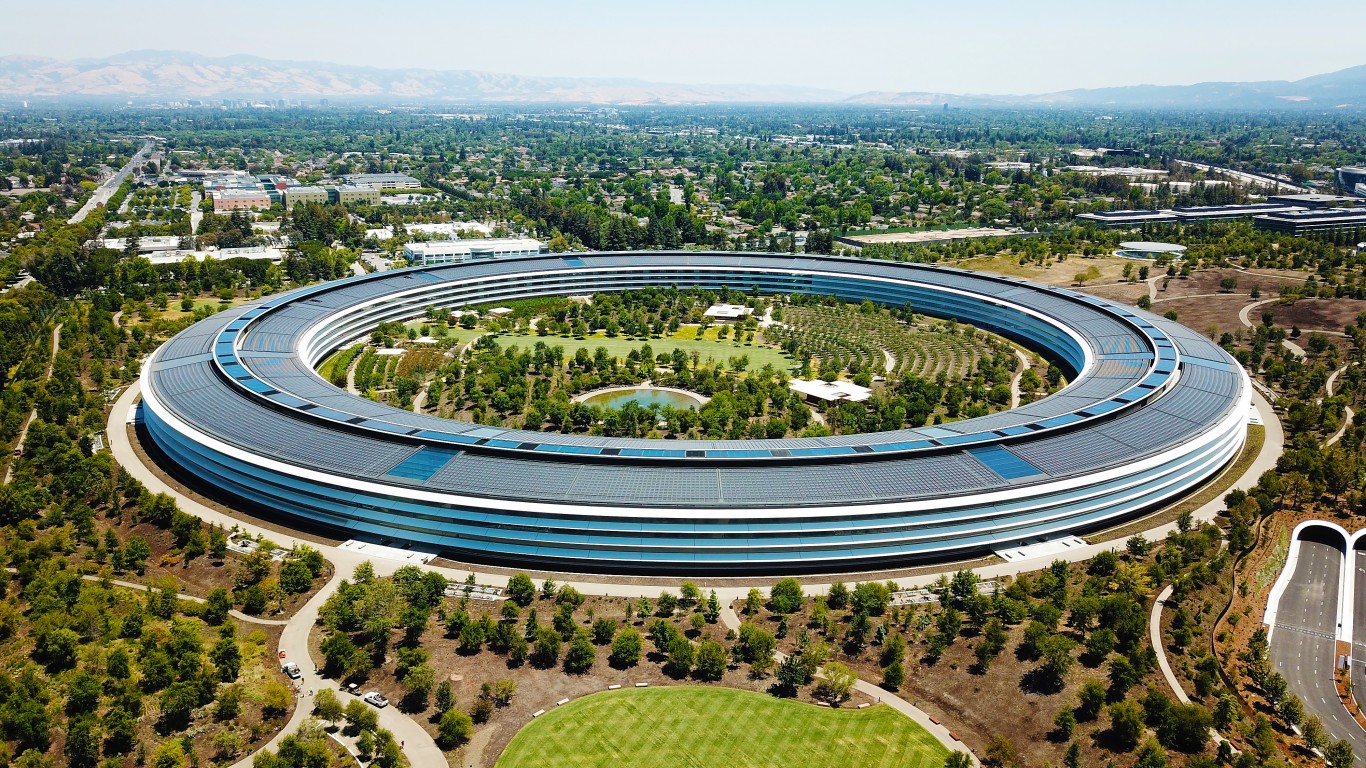
Shares of Apple Inc. (NASDAQ: AAPL | AAPL Price Prediction) reached a new all-time high of $149.57 in Wednesday trading, lifting the company’s market cap to more than $2.5 trillion. Apple became the first U.S. company to reach that milestone, but it couldn’t hold on. At the closing bell, the company’s market cap rang in at $2.49 trillion.
The all-time high followed a report Wednesday morning that the company had raised its planned production of new iPhones by 20%. That, plus a raised price target of $175 from analysts at JPMorgan, led to a 2.4% share price gain.
Bloomberg reported that Apple is considering offering a “buy now, pay later” (BNPL) installment plan similar to those on offer from PayPal, Affirm Holdings, Sweden-based Klarna and U.K.-based Revolut. Citing unnamed sources, the report said Goldman Sachs would be the lender for the installment offering. Goldman is already a partner on the company’s Apple Card, but the BNPL plan is not “tied to the Apple Card and doesn’t require the use of one.”
The report knocked about 2.5% off the share price of Affirm Holdings and less than 1% from PayPal’s stock price. Klarna, still a privately held company, announced last month that it had raised $639 million in new capital at a valuation of just under $46 billion. Affirm’s market cap is just over $15 billion, while PayPal is valued at more than $350 billion. Revolut raised $800 million in a recent funding round that placed a value of $33 billion on the company.
[nativounit]
According to the Bloomberg report, Apple Pay Later, as the plan is known inside the company, would allow consumers to pay for a purchase made with any card over two months with no interest charge. Payments would be due every two weeks. For longer-term loans, Apple would charge interest. Apple already allows customers to pay in installments for products purchased online or in its retail stores.
Streaming video giant Netflix has hired Mike Verdu, who has worked at both game developer Electronic Arts and at Facebook, as vice president of game development to drive Netflix’s expansion into video gaming. The company reportedly plans to offer video games on its streaming platform within a year. Netflix does not plan to charge extra for the gaming content, according to a source cited at Bloomberg.
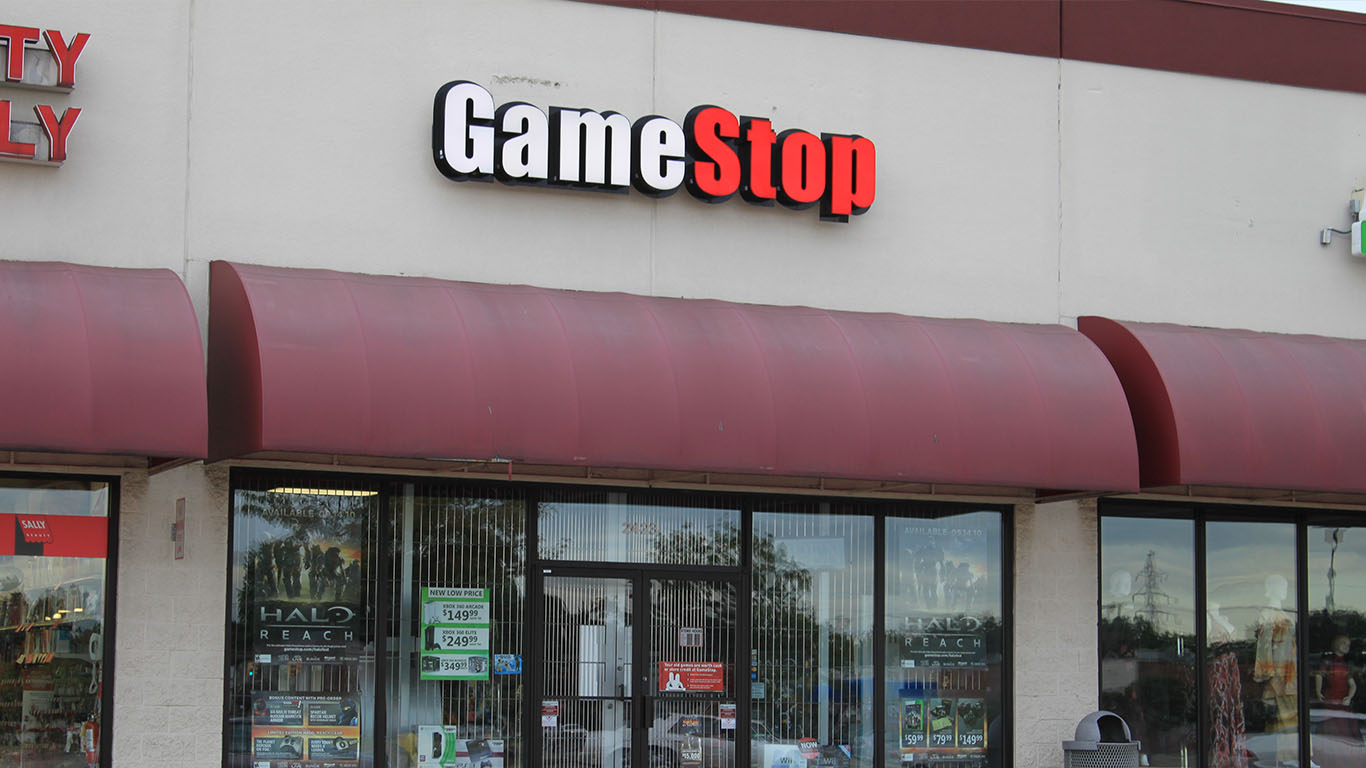
Apple already offers a gaming platform, Apple Arcade, but the company charges extra for it. But hardest hit by Wednesday’s news was GameStop. The retailer, which has benefited from a soaring share price this year, has been planning to expand its online offerings and does not need competition from Netflix as well as Apple and a host of others. GameStop stock dropped nearly 7% on Wednesday.
Apple announced Wednesday that it had deployed more than $1 billion of a $2.5 billion commitment to relieve the housing crisis in its home state of California. The company said that the $1 billion investment “has already helped thousands of people in the state become homeowners for the first time.”
[recirclink id=913931][wallst_email_signup]










 Top Gaining Stocks
 Top Losing Stocks