


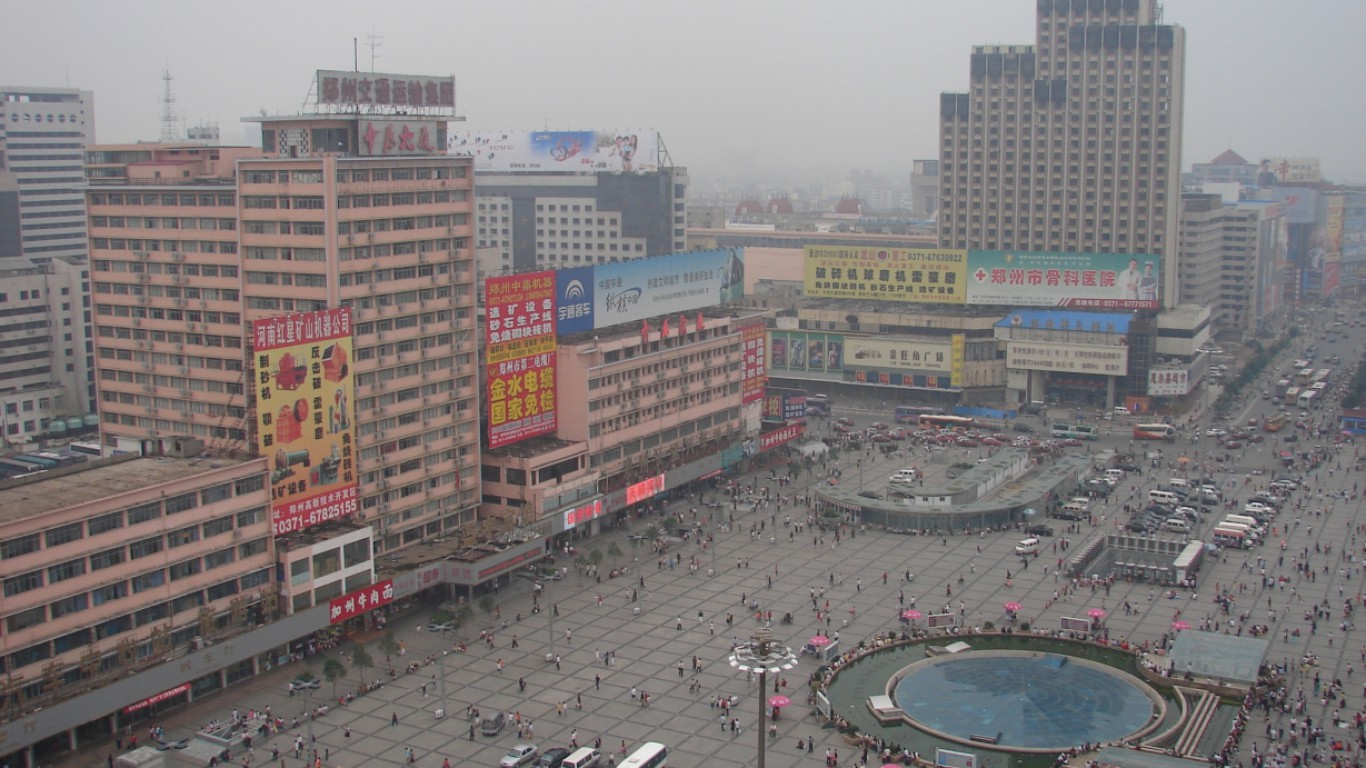
Floods in Zhengzhou, China, the location of the largest iPhone assembly plant in the world, have resulted from massive rainfall that has killed at least 25 people and threatens to breach nearby dams. Apple Inc. (NASDAQ: AAPL | AAPL Price Prediction) supplier Foxconn has said that the flooding has not yet had a “direct impact on our facility.”
So far, the damage has been limited to disrupted production at a time when the factories would normally be gearing up to build new iPhones for Apple’s new product announcements in the fall. According to the Wall Street Journal, water seeped into Foxconn’s plant and many workers were “given time off,” according to some of the company’s employees. Foxconn operates three factories in the city of some 10 million people and employs hundreds of thousands of people, many of whom live in company-owned housing.
Apple released the latest version of its iPhone operating system, iOS 14.7, Thursday morning, along with similar updates to iPadOS 14.7, macOS Big Sur 11.5, watchOS 7.6 and tvOS 14.7. The release includes several bug fixes, including for a particularly nasty vulnerability that could “permanently disable WiFi on a device.”
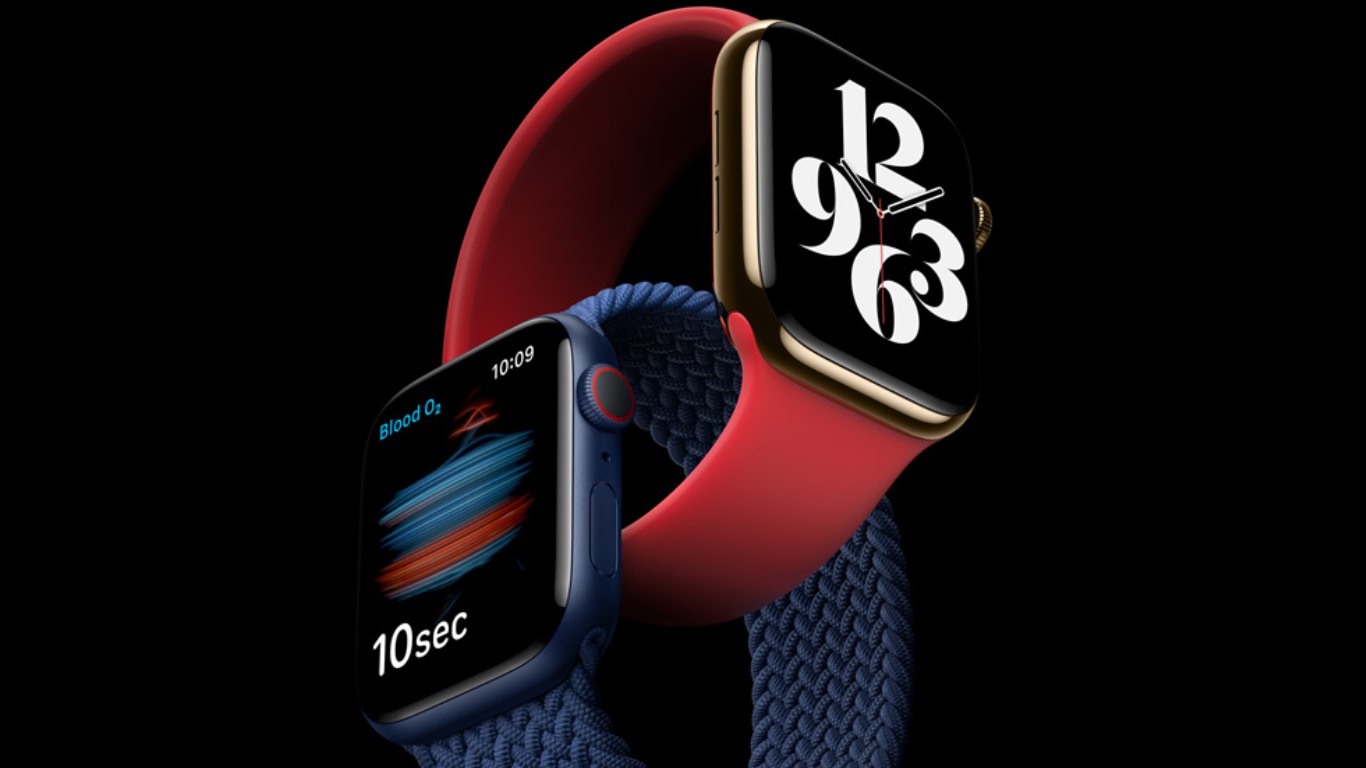
Apparently, however, the updated iOS introduced another issue for people who own older iPhones. According to an Apple document, “an issue in iOS 14.7 affects the ability of iPhone models with Touch ID to unlock Apple Watch.” Fixing this is simple, if annoying.
[nativounit]
Enterprise users, however, have to seek out their firm’s Mobile Device Management (MDM) manager if their Apple Watch is paired to an iPhone with a profile that requires an alphanumeric passcode because they won’t be able to type a passcode directly on the watch.
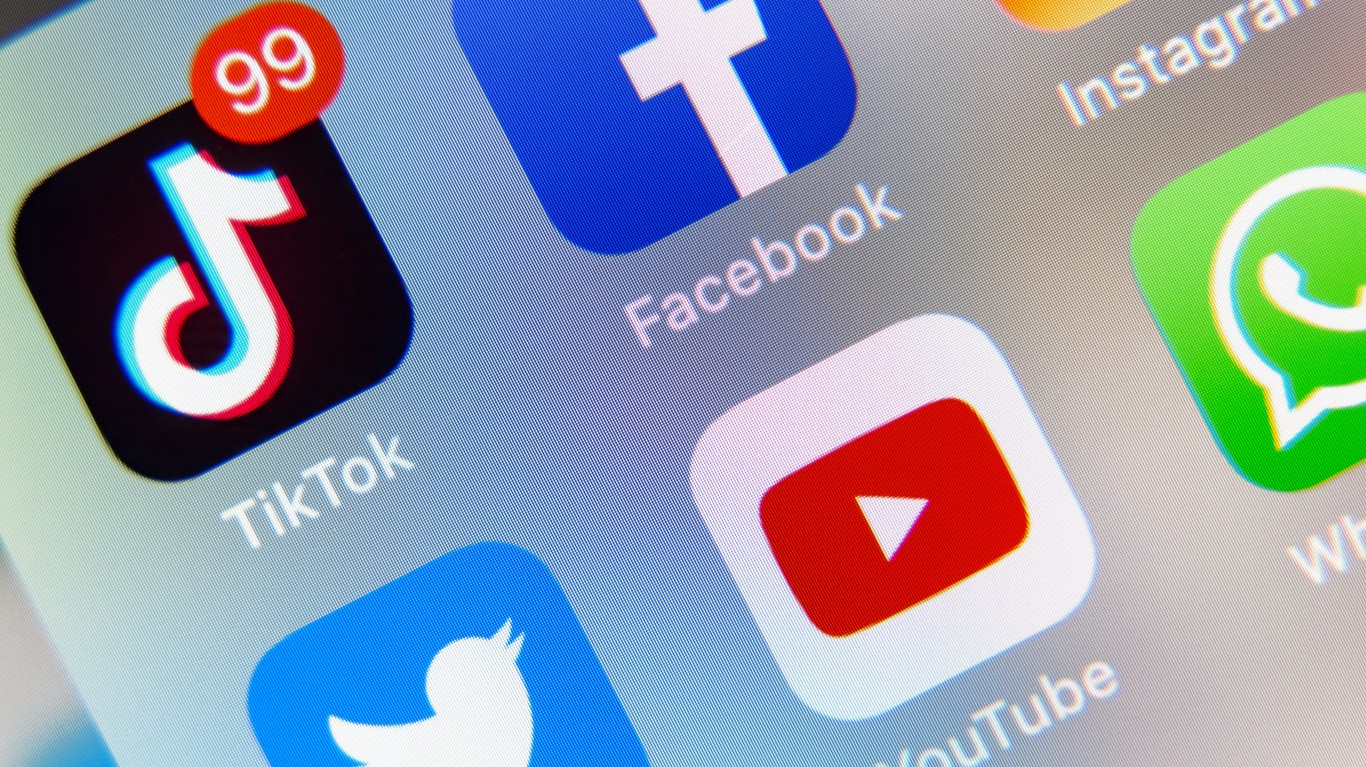
When Snap and Twitter report quarterly earnings after markets close Thursday, we shall get our first look at the impact of Apple’s App Tracking Transparency feature that requires apps to get permission from people before tracking their movements around the web. According to a report in Barron’s, about two-thirds of iPhone users have refused to give apps permission to track them.
The impact on ad-supported sites like Snap, Twitter and Facebook could be significant because advertisers paid a lot more to display ads to specifically targeted users. Or the impact could be minimal, at least in the second quarter. Many advertisers have been spending just as much because, as one digital media executive puts it, “where else are you going to go to spend your money and get a return?”
BMO Capital Markets analyst Daniel Salmon told Barron’s, “The numbers are going to look very strong in the second quarter, no matter what.”
[recirclink id=919034][wallst_email_signup]










 Top Gaining Stocks
 Top Losing Stocks