


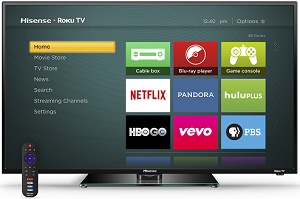
The initial tax rate is 9% on streaming content. Sales of movies and music and the rest is not taxable, and the tax must be paid whether a customer is paying a subscription charge, a per event fee or some other variation. Chicago expects to collect $12 million a year as a result of the new tax ruling.
Streaming video service Netflix Inc. (NASDAQ: NFLX) has said that it will add the tax to its charges for subscribers, according to a report at Ars Technica. Streaming music firms like Spotify, Pandora Media Inc. (NYSE: P) and now Apple Inc. (NASDAQ: AAPL) also may be affected.
The city also issued a ruling in early June adding “cloud computing, cloud services, hosted environment, software as a service, platform as a service or infrastructure as a service” to items that became taxable on July 1. The tax rate is also 9%. This interpretation appears to include services such as Office 360 from Microsoft Corp. (NASDAQ: MSFT) and the Docs-related programs from Google Inc. (NASDAQ: GOOGL).
ALSO READ: Analyst Sees No Tech Bubble: 4 Stocks That Survive and Thrive
A client alert from international law firm ReedSmith offers details on these additions to Chicago’s personal property lease transaction tax. The law firm noted especially that the city may have overstepped its authority:
[T]here are strong arguments that both rulings run afoul of provisions in the Federal Telecommunications Act, the Internet Tax Freedom Act, and federal and Illinois constitutional limits on taxation. In addition, the rulings gloss over many details of applicable federal law and how telecommunications and computer networks operate, and assume the simplest factual scenarios that do not realistically comport with how many providers and their customers transact business. As a consequence, the time to look at the impact of these rulings is now, before mounting exposure and interest accrual makes challenging these positions economically infeasible.
The city did provide a three-month grace period for both the cloud and amusement taxes, limiting the effects of the rulings to periods on or after September 1.
Also worth noting is that the city’s tax ruling in both cases avoids the issue of whether there is a close-enough connection (nexus, in legalese) to require providers like Netflix or others to collect either tax. ReedSmith weighs in on this point as well:
[O]nce the Department begins to audit and assess customers located within the city, many of those customers are likely to demand that providers collect the tax going forward. As a result, many providers will likely feel the need to register to collect the taxes, despite lacking nexus, and despite having strong arguments against the Department’s expansive interpretation of its taxing ordinances.
In other words, don’t fight City Hall. Still, it is a bit difficult to imagine that Chicago’s rulings on these issues will go unchallenged. Stay tuned.










 Top Gaining Stocks
 Top Losing Stocks