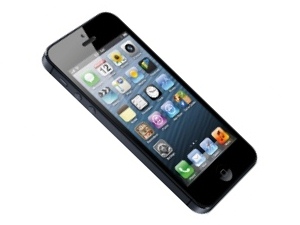
Letting the iPhone 5 Go

Photo of Douglas A. McIntyre
By Douglas A. McIntyre Published
This post may contain links from our sponsors and affiliates, and Flywheel Publishing may receive compensation for actions taken through them.

In the months leading up to the release of the new Apple Inc. (NASDAQ: AAPL) iPhone 5 and in the days afterward, many media have practically lived on news and opinion about the device. Comments and reports about its features and sales volumes have helped sell huge numbers of magazines and newspapers, and they have driven up Internet pageviews at may websites, almost certainly. It is time to let the iPhone 5 go, at least as the subject of endless coverage.

The reports about the new iPhone fall, in most cases, into analyses of its poor maps app, particularly in relationship with those formerly provided by Google Inc. (NASDAQ: GOOG). The number of writers and editors who believe this is so must be 99% of the total. The story is dead.

iPhone sales is another focus of fascination. Apple sold five million in the first weekend. The company said so in a press release. Based on some analysts, 10 million of the smartphones will be sold in September. The figure could reach 40 million by the end of the year. That number could be off by a million or so. What more is there to say? Security analysts have rendered their judgments. All of them are guesses, even if they are educated ones.

Critics and users of the new iOS 6, which runs on the iPhone 5, have picked it apart. For the most part, it is a good system. It has a few flaws, but Apple will fix those with an upgrade or two. What more is there to say?

The new iPhone works well, or its does not. Its screen is either too big or too small. The circus that the iPhone 5 has created includes legal fights between Samsung and Apple about which will get to keep its screen too large or too small, or whether the smartphones will be sold in certain countries at all.

For the millions who have bought their new iPhones and the millions who will buy them soon, the fascination about features has worn off. They can make their own judgments about its strengths and weaknesses — without the help of the media, which have benefited so richly from the launch.

Douglas A. McIntyre

Photo of Douglas A. McIntyre
About the Author Douglas A. McIntyre →

Douglas A. McIntyre is the co-founder, chief executive officer and editor in chief of 24/7 Wall St. and 24/7 Tempo. He has held these jobs since 2006.

McIntyre has written thousands of articles for 24/7 Wall St. He is an expert on corporate finance, the automotive industry, media companies and international finance. He has edited articles on national demographics, sports, personal income and travel.

His work has been quoted or mentioned in The New York Times, The Wall Street Journal, Los Angeles Times, The Washington Post, NBC News, Time, The New Yorker, HuffPost USA Today, Business Insider, Yahoo, AOL, MarketWatch, The Atlantic, Bloomberg, New York Post, Chicago Tribune, Forbes, The Guardian and many other major publications. McIntyre has been a guest on CNBC, the BBC and television and radio stations across the country.

A magna cum laude graduate of Harvard College, McIntyre also was president of The Harvard Advocate. Founded in 1866, the Advocate is the oldest college publication in the United States.

TheStreet.com, Comps.com and Edgar Online are some of the public companies for which McIntyre served on the board of directors. He was a Vicinity Corporation board member when the company was sold to Microsoft in 2002. He served on the audit committees of some of these companies.

McIntyre has been the CEO of FutureSource, a provider of trading terminals and news to commodities and futures traders. He was president of Switchboard, the online phone directory company. He served as chairman and CEO of On2 Technologies, the video compression company that provided video compression software for Adobe’s Flash. Google bought On2 in 2009.

Featured Reads

Our top personal finance-related articles today. Your wallet will thank you later.

Continue Reading

Top Gaining Stocks

CBOE Vol: 1,568,143
PSKY Vol: 12,285,993
STX Vol: 7,378,346
ORCL Vol: 26,317,675
DDOG Vol: 6,247,779

Top Losing Stocks

LKQ
LKQ Vol: 4,367,433
CLX Vol: 13,260,523
SYK Vol: 4,519,455
MHK Vol: 1,859,865
AMGN Vol: 3,818,618