


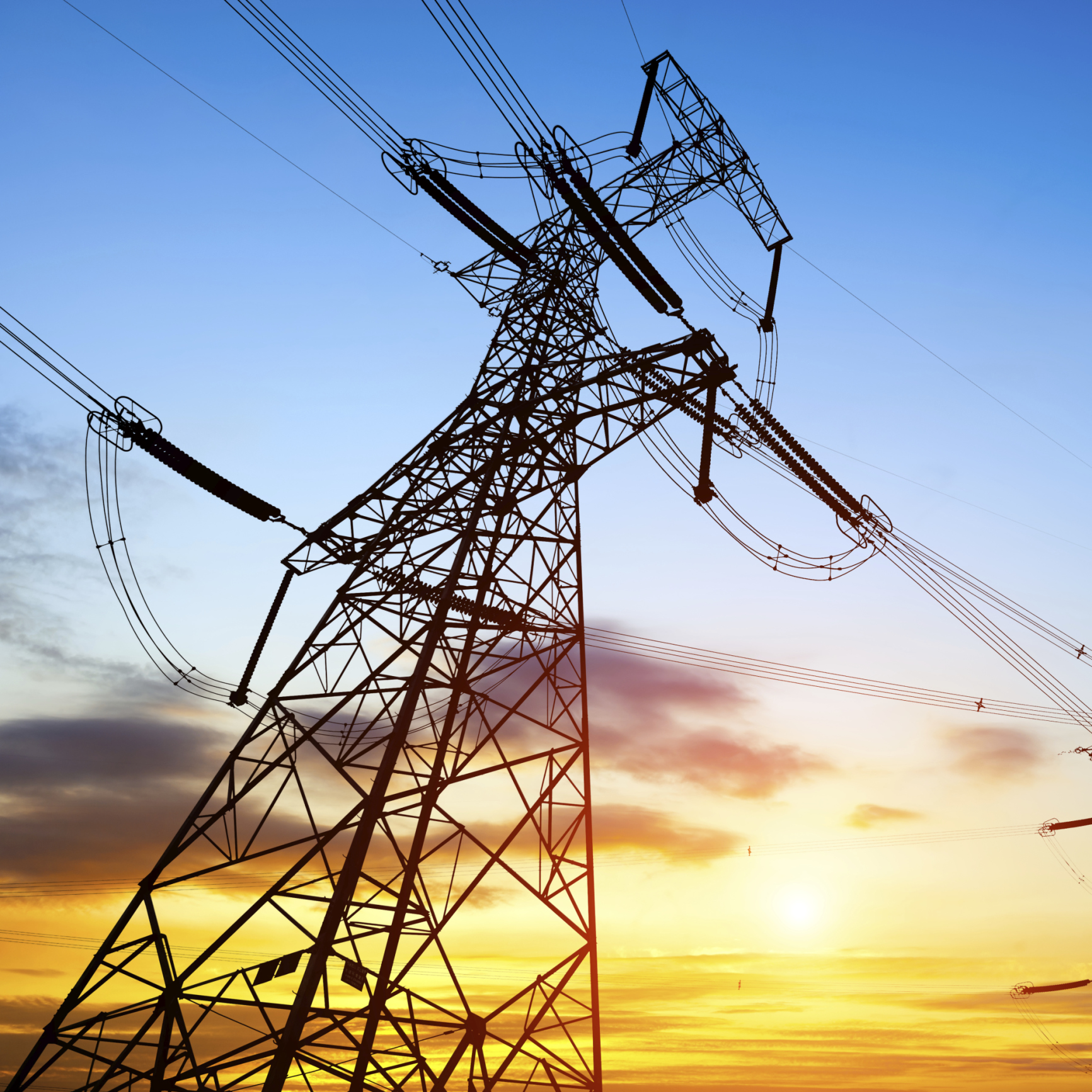
For decades, there has been a theory that power lines could be used for internet distribution. They are nearly ubiquitous. The investment in their massive infrastructure has already been made. AT&T Inc. (NYSE: T) took the possibility of nationwide power line use one step closer to reality as it launched a project to see how feasible a nationwide project using the technology would be. If it works, other forms of broadband distribution would be threatened.
According to the telecom company’s management:
AT&T launched an international trial of its unique Project AirGig technology and has also just launched a second trial in the U.S. in Georgia.
AirGig is a first-of-its-kind system. It could one day deliver internet speeds well over 1 gigabit per second via a millimeter wave (mmWave) signal guided by power lines. We hope that one day there will be no need to build new towers or bury new cables in locations close to aerial power lines. Instead, using AirGig patented technology, we would install devices to provide high speed broadband which can be clamped on by trained electrical workers in just a few minutes.
AirGig technology embodies over a decade of research by AT&T Labs and more than 300 patents and patent applications. It also represents a potential new era in connectivity where turbocharged data speeds can be available almost everywhere in the world.
[nativounit]
The current trial is a partnership with Georgia Power.
The result of success would bear fruit in several ways. Among these is that remote areas that do not have broadband would have access to high-speed internet. This includes, in particular, rural areas and other places that have never been wired or do not have wireless broadband access.
More important to the telecom and cable industries, their multibillion investments in wireline and wireless broadband could be eroded by a new form of technology that would be cheap to deploy and, perhaps consequently, less expensive for customers. Just as wireless 4G has threatened the traditional use of landline phones and TV that relies on fiber or copper cable, all these forms of technology could be disintermediated.
The future of broadband could be based on a system that was installed across America a long time ago.
[wallst_email_signup]







 Top Gaining Stocks
 Top Losing Stocks