How Much Will Consumers Get If Wireless Carriers Overcharged?

Photo of Douglas A. McIntyre
By Douglas A. McIntyre Updated Published
This post may contain links from our sponsors and affiliates, and Flywheel Publishing may receive compensation for actions taken through them.
How Much Will Consumers Get If Wireless Carriers Overcharged?

© Wikimedia Commons

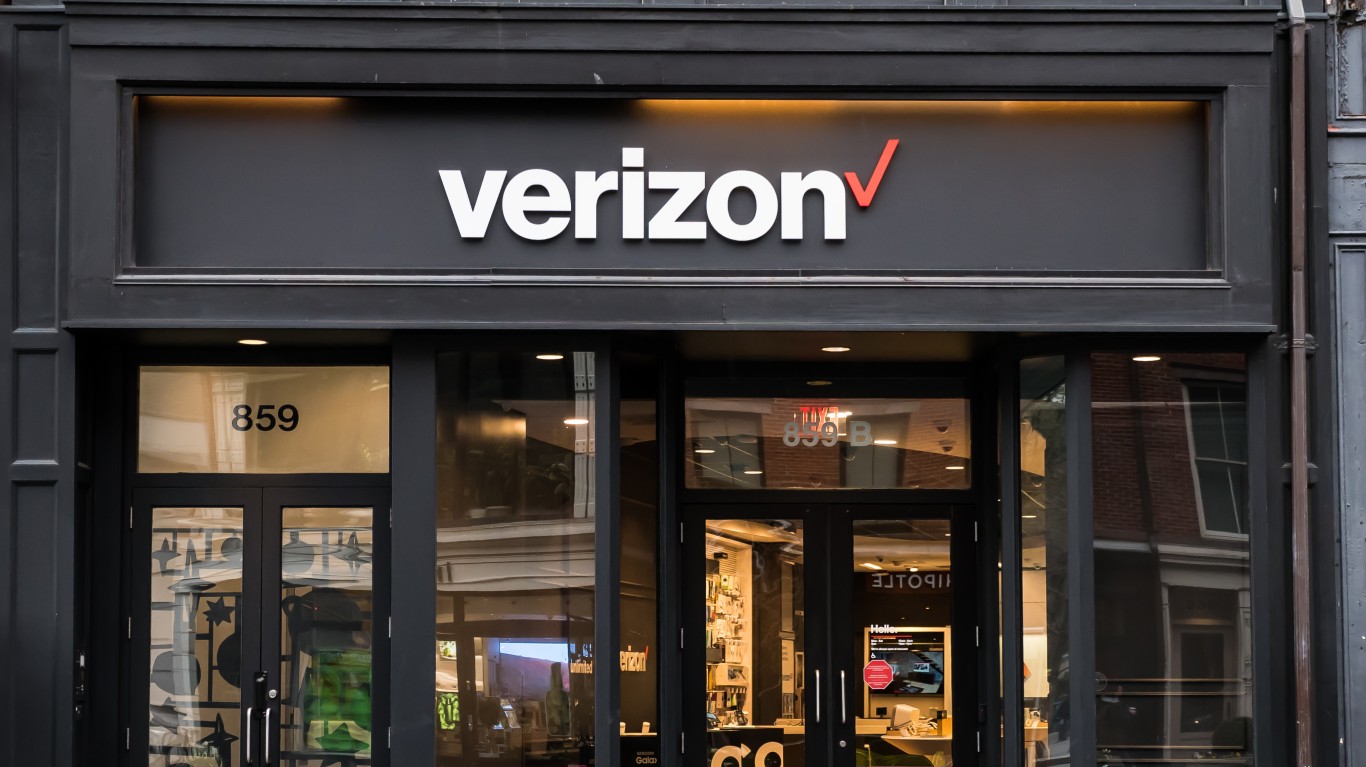
According to a number of accounts, The Justice Department believes that major wireless carriers may have worked together to keep consumer prices high.  The charge is aimed primarily at AT&T (NYSE: T) and Verizon (NYSE: VZ), the two largest carriers. The accusations may cost the companies huge sums in fines, and probably more in rebates to customers

AT&T and Verizon each have over 100 million subscribers. At the core of the probe is whether the companies made it difficult to move from one carrier to another. The financial enemy of these companies is churn, a term which means that subscribers pick one carrier and then quickly leave. To recoup the cost of marketing to initially get consumers requires that these consumers remain with the carrier for months, if not years. If they move to another carrier quickly, churn become the roadblock to profits.

As is the case with many such government probes, if The Justice Department finds there was an attempt to make customers spend more than they would have to in an entirely free market, the fines would be substantial. The government would also require the companies to reimburse consumers for the sums they overspent due to the scheming which set a system to illegally improve their revenue.

It is not unusual for the government to set fines.  Money given back to customers under these circumstances is often a result of class action suits. Undoubtedly, some law firms are drawing up papers in the anticipation of that already.

How much might be involved? Any figure would only be a guess. Citibank paid customers a total of $700 million in 2015 for overcharging customers. It paid $330 million in customer refunds earlier this year.  Bank fines, of course, cannot be compared to what the wireless companies might have to pay if The Justice Department makes a major claim against them which includes a fine.

Suffice it to say the U.S. wireless carriers could face substantial fines and customer rebates if the media reports of Justice Department investigations are true


Photo of Douglas A. McIntyre
About the Author Douglas A. McIntyre →

Douglas A. McIntyre is the co-founder, chief executive officer and editor in chief of 24/7 Wall St. and 24/7 Tempo. He has held these jobs since 2006.

McIntyre has written thousands of articles for 24/7 Wall St. He is an expert on corporate finance, the automotive industry, media companies and international finance. He has edited articles on national demographics, sports, personal income and travel.

His work has been quoted or mentioned in The New York Times, The Wall Street Journal, Los Angeles Times, The Washington Post, NBC News, Time, The New Yorker, HuffPost USA Today, Business Insider, Yahoo, AOL, MarketWatch, The Atlantic, Bloomberg, New York Post, Chicago Tribune, Forbes, The Guardian and many other major publications. McIntyre has been a guest on CNBC, the BBC and television and radio stations across the country.

A magna cum laude graduate of Harvard College, McIntyre also was president of The Harvard Advocate. Founded in 1866, the Advocate is the oldest college publication in the United States.

TheStreet.com, Comps.com and Edgar Online are some of the public companies for which McIntyre served on the board of directors. He was a Vicinity Corporation board member when the company was sold to Microsoft in 2002. He served on the audit committees of some of these companies.

McIntyre has been the CEO of FutureSource, a provider of trading terminals and news to commodities and futures traders. He was president of Switchboard, the online phone directory company. He served as chairman and CEO of On2 Technologies, the video compression company that provided video compression software for Adobe’s Flash. Google bought On2 in 2009.

Continue Reading

Top Gaining Stocks

CBOE Vol: 1,568,143
PSKY Vol: 12,285,993
STX Vol: 7,378,346
ORCL Vol: 26,317,675
DDOG Vol: 6,247,779

Top Losing Stocks

LKQ
LKQ Vol: 4,367,433
CLX Vol: 13,260,523
SYK Vol: 4,519,455
MHK Vol: 1,859,865
AMGN Vol: 3,818,618