


 By Robert Herbst of AirlineFinancials.com
American Airlines (AMR) recent announcement made one thing very clear.
–Sorry St Louis, it’s nothing personal it’s just business!–
It doesn’t take a rocket scientist to conclude St Louis (STL) is the big loser in AMR’s
newest business strategy. Picking the winners will be more of a challenge.
Thursday, AMR disclosed the destinations served from St Louis will drop from 39 to
just 9 by next summer. As a side-note, back in 2000, the year prior to AMR’s
acquisition of TWA, there were well over 400 TWA departures to both US
and International destinations.
In addition to the STL capacity cuts, AMR also announced they have improved
liquidity by monetizing some unencumbered assets, arranged financing with GE for
future aircraft and engines and will receive $1 billion from Citibank for advance
credit card miles. All told the amount comes to $2.9 billion, of which $1.6 billion is
for new aircraft financing leaving $1.3 billion as additional cash liquidity albeit
debt will be increased by an equivalent amount.
AMR also exercised their long-standing option to start deliveries next summer
for 22 new 70-seat jets to be operated by AMR’s regional carrier, American Eagle.
These new regional jets will be delivered with first class seating.
The loss for St Louis is being transferred to mostly Chicago and Miami hubs.
The new regional jets will be scheduled to/from Chicago.
Year 2010 capacity is projected to be at or near 1% more than 2009.
So why make these changes and why make them now? The way I see it,
the answers are rather easy.
Let’s look at the financial issue first. AMR’s cash and cash equivalent balance
ending Q2 was down to $3.3 billion. In AMR’s conference call this morning,
they stated their Q3 cash balance after this transaction would be about
$3.6 billion. Before this announced infusion, AMR’s cash position was the
lowest amount since their 2003 reorganization and brush with bankruptcy.
Considering minimum -cash- requirements to satisfy financial covenants and the
low revenue projections going into the typically money losing winter months,
AMR had no choice but to add additional cash.
Taking so much capacity out of St Louis and moving it to Miami, Chicago and
New York, was in my opinion, a smart thing to do albeit at the full expense of
the St Louis community and the AMR employees working there.
Recently, Delta (DAL) arranged a quasi trade with USAir (LCC) to take most of
LCC’s landing slots for the very restricted NY LaGuardia Airport. In addition, this
fall AMR is likely to receive long sought after approval to move forward in their
joint business venture (JBV) with British Airways (BA) and Iberia Airlines (IB).
Moving the STL capacity into Miami, Chicago and NY sets up future route
planning options for the BA/IB JBV and adds some additional competition for
DAL’s planned expansion out of NY.
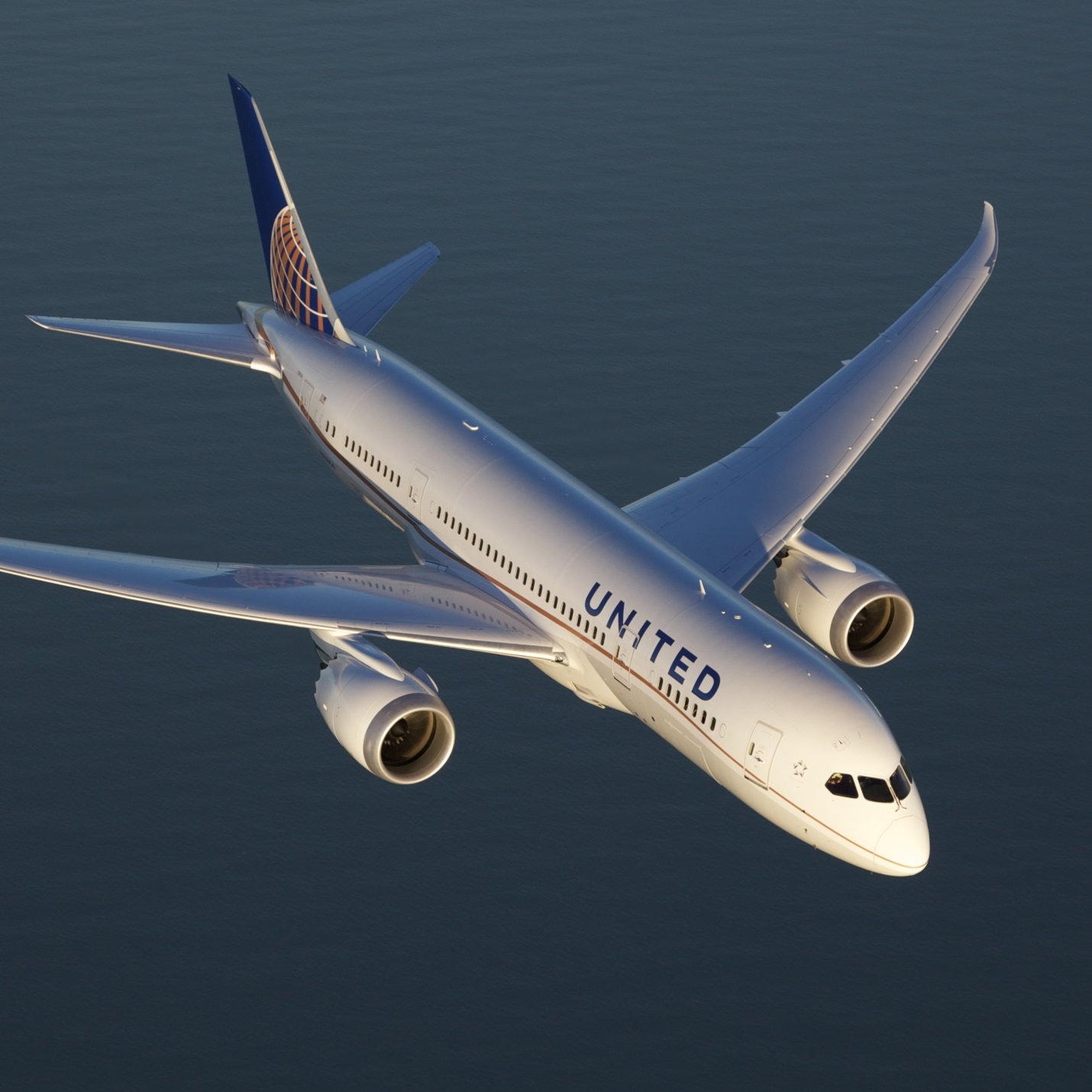
Adding the new RJ aircraft in Chicago appears to be a direct response to
United’s (UAUA) transition from larger -mainline- aircraft to regional carriers
which now provide domestic passenger feed for their mainline operation.
Should United face some of the long predicted financial problems, AMR will
have the capacity in place to take advantage of -potential- problems
with United’s solvency.
Overall, these decisions by AMR shore up their largest hubs and add more than
enough liquidity to get through the winter months with very little added expense.
Should the economy and overall airline industry improve, AMR will be in a
stronger position to take advantage of any potential revenue growth.
###
Disclosure- The above opinions should not be used to determine the worth of
any stock or investment. At the time of writing, the author and his family
hold stock and derivative positions in AMR.









 Top Gaining Stocks
 Top Losing Stocks