Can Airlines Handle More Obese Passengers?

Photo of Douglas A. McIntyre
By Douglas A. McIntyre Updated Published
This post may contain links from our sponsors and affiliates, and Flywheel Publishing may receive compensation for actions taken through them.
Can Airlines Handle More Obese Passengers?

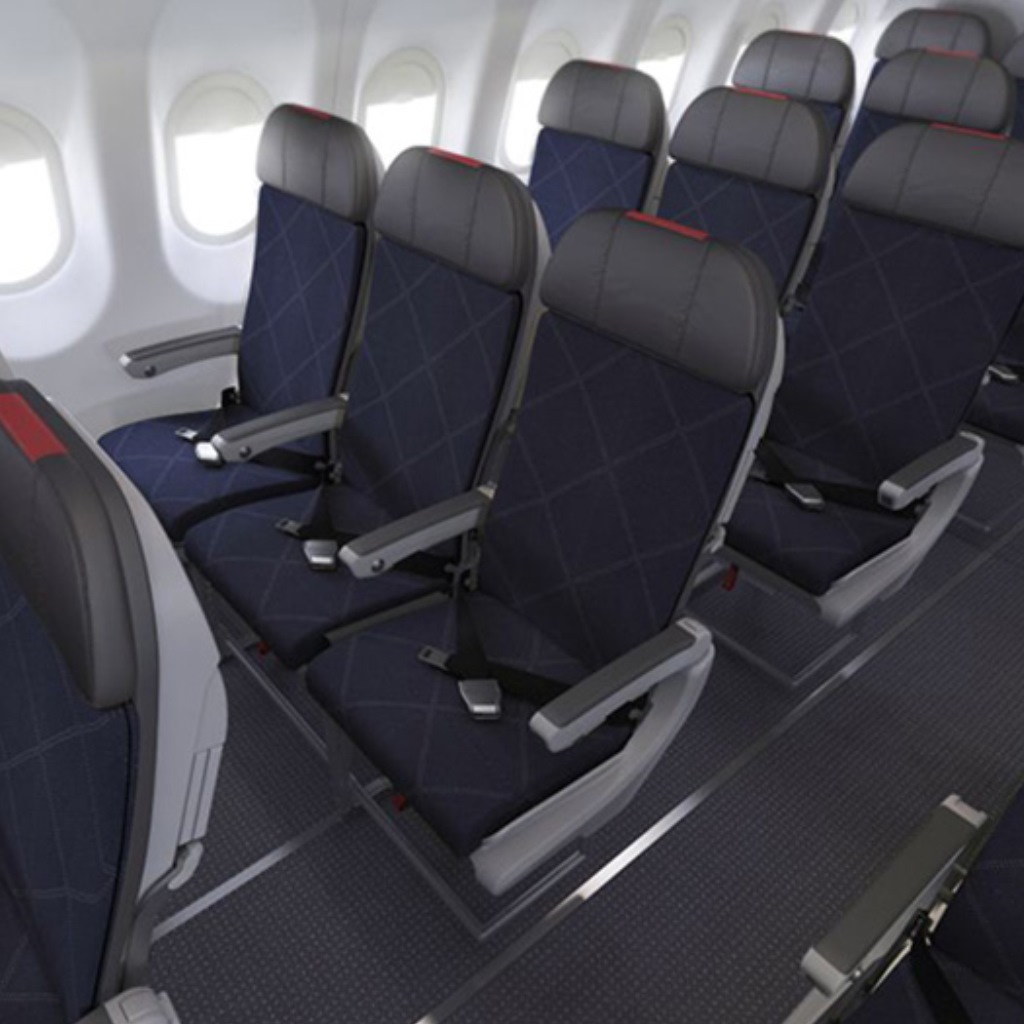
© courtesy of American Airlines Inc.

Depending on who is counting, the number of obese people has reached 20% of the U.S. population, and that number continues to grow. The rate has risen sharply since the middle of the past century, which puts pressure on airlines that have been unable to fly all these people with any ease. And manufacturers Boeing Co. (NYSE: BA) and Airbus have not directly addressed the problem, at least not in a way they have made public.

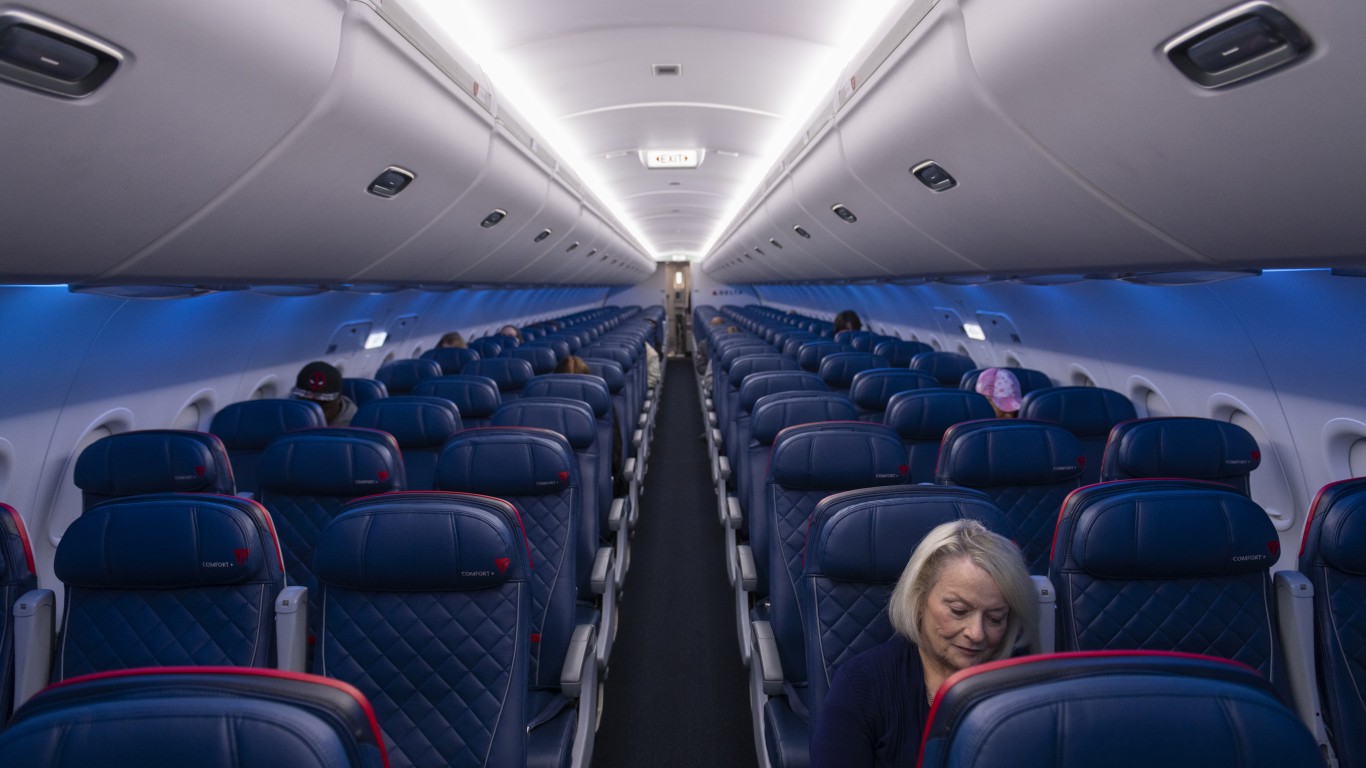
A 280-pound passenger represents a seating and weight problem a 180-pound passenger does not. The width of an airline seat is typically about 17 inches. Those seated on either side of an obese passenger may have problems beyond the width of the seat.

Hawaiian Airlines tried to remedy the problem of seating for the obese. The effort did not turn out well. According to The Australian:

Hawaiian Airlines is facing a backlash over a new policy to ­allocate seats for heavier passengers flying to American Samoa.

Complaints have been filed to the US Transportation Department against the Hawaiian airline after two American Samoan businessmen alleged they were discriminated against by being told to sit in specific seats.

[nativounit]

The complaints were filed in response to the airline’s new policy that no longer allows passengers to preselect seats on flights between Pago Pago in American Samoa and Honolulu. The policy came into effect after the airline noticed that its fuel burn was higher than projected because of increases in the average weight of passengers on that route.

Samoa and American Samoa have some of the highest obesity rates in the world. In 2013, Samoa Air became the world’s first airline to implement “pay as you weigh” flights, which resulted in passengers paying a per kilogram levy for their seats.

Obesity has become a matter of profit.

Will major carriers need to move in the direction Hawaiian Airlines did? With the trend of growing obesity, they will have to.

[wallst_email_signup]

Photo of Douglas A. McIntyre
About the Author Douglas A. McIntyre →

Douglas A. McIntyre is the co-founder, chief executive officer and editor in chief of 24/7 Wall St. and 24/7 Tempo. He has held these jobs since 2006.

McIntyre has written thousands of articles for 24/7 Wall St. He is an expert on corporate finance, the automotive industry, media companies and international finance. He has edited articles on national demographics, sports, personal income and travel.

His work has been quoted or mentioned in The New York Times, The Wall Street Journal, Los Angeles Times, The Washington Post, NBC News, Time, The New Yorker, HuffPost USA Today, Business Insider, Yahoo, AOL, MarketWatch, The Atlantic, Bloomberg, New York Post, Chicago Tribune, Forbes, The Guardian and many other major publications. McIntyre has been a guest on CNBC, the BBC and television and radio stations across the country.

A magna cum laude graduate of Harvard College, McIntyre also was president of The Harvard Advocate. Founded in 1866, the Advocate is the oldest college publication in the United States.

TheStreet.com, Comps.com and Edgar Online are some of the public companies for which McIntyre served on the board of directors. He was a Vicinity Corporation board member when the company was sold to Microsoft in 2002. He served on the audit committees of some of these companies.

McIntyre has been the CEO of FutureSource, a provider of trading terminals and news to commodities and futures traders. He was president of Switchboard, the online phone directory company. He served as chairman and CEO of On2 Technologies, the video compression company that provided video compression software for Adobe’s Flash. Google bought On2 in 2009.

Featured Reads

Our top personal finance-related articles today. Your wallet will thank you later.

Continue Reading

Top Gaining Stocks

CBOE Vol: 1,568,143
PSKY Vol: 12,285,993
STX Vol: 7,378,346
ORCL Vol: 26,317,675
DDOG Vol: 6,247,779

Top Losing Stocks

LKQ
LKQ Vol: 4,367,433
CLX Vol: 13,260,523
SYK Vol: 4,519,455
MHK Vol: 1,859,865
AMGN Vol: 3,818,618