


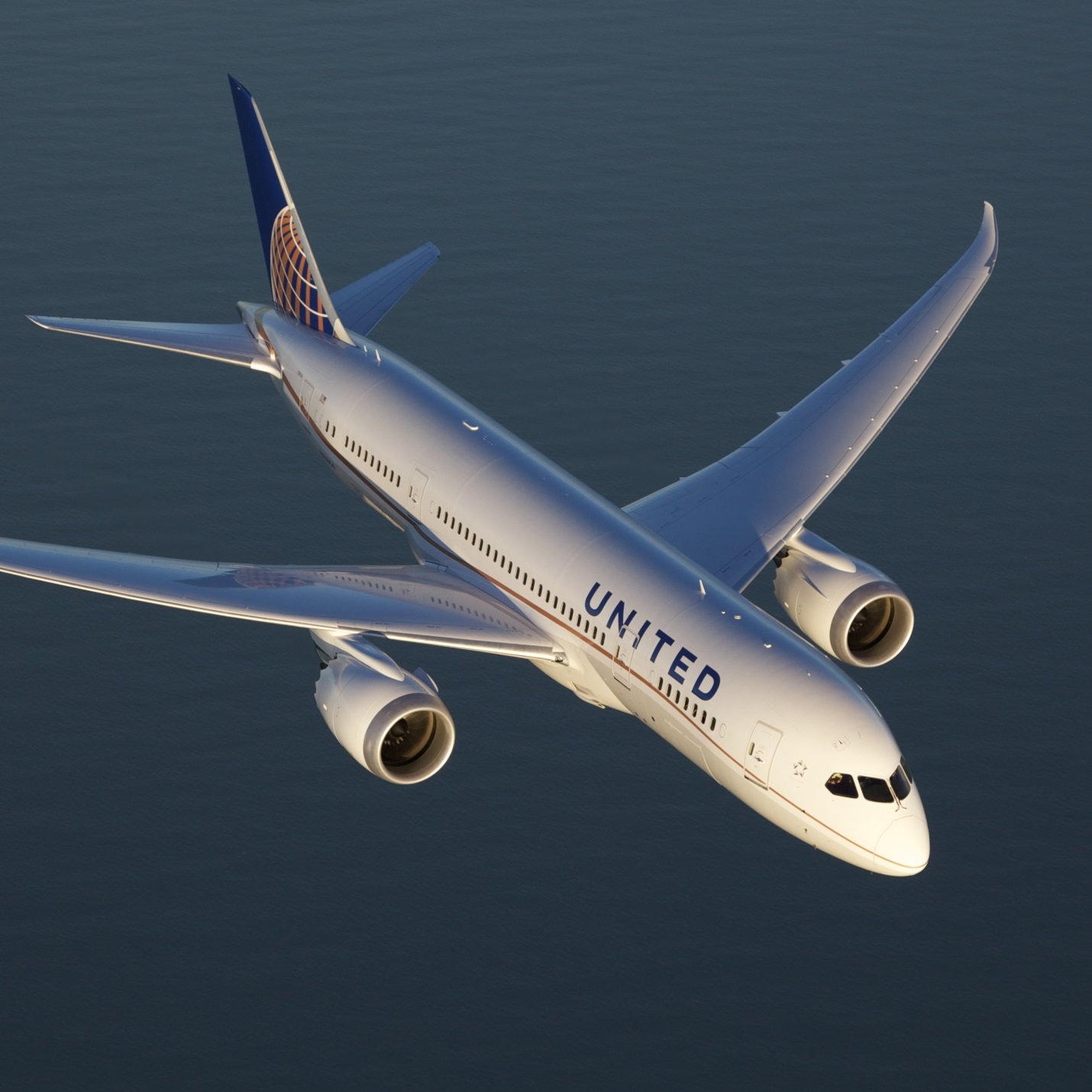
The number of complaints filed against airlines rose 70% in April, compared with the same month of last year. This may be due to passenger injuries, a passenger being dragged off a United Continental Holdings Inc. (NYSE: UAL), and other very visible incidents that make the industry look cruel and calculating. However, none of this has hurt airline stock prices in the past year. The stocks of large carriers are up 50% to 80%. Why? Mostly low fuel costs and rising seat demand. Investors view bad PR as a small blip on the radar.
The number of complaints filed with the Department of Transportation is actually quite small. Those that involved airlines only reached 1,430. Most of these were for delayed flights or many that were cancelled. Brutalizing passengers did not make the top tier of reports, or come even close.
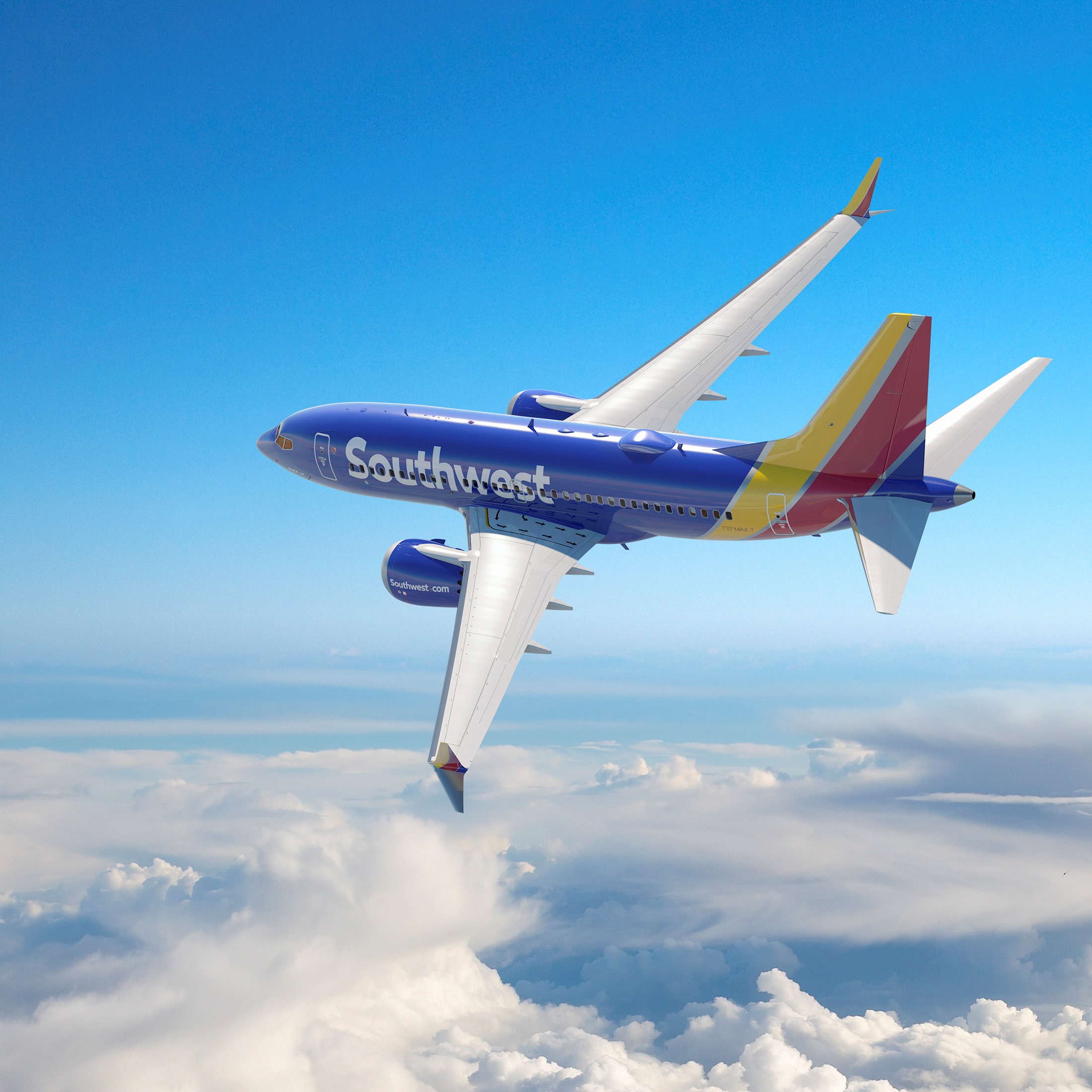
In the past year, shares of American Airlines Group Inc. (NYSE: AAL) are up 69%. Shares of United Continental are up 81%. And shares of Southwest Airlines Co. (NYSE: LUV) are up 51%. The S&P 500 is higher by 17% over the same period.
[nativounit]
American’s results are a good proxy for the industry. According to the airline:
American Airlines Group’s total revenue passenger miles (RPMs) were a record 19.9 billion, up 2.6 percent versus May 2016. Total capacity was 24.3 billion available seat miles (ASMs), up 2.3 percent versus May 2016. Total passenger load factor was 82.1 percent, up 0.2 percentage points versus May 2016.
The Company continues to expect its second quarter 2017 total revenue per available seat mile (TRASM) to be up approximately 3.5 percent to 5.5 percent year-over-year. In addition, the Company continues to expect its second quarter pre-tax margin excluding special items to be between 12 percent and 14 percent.
The U.S. Energy Information Administration reported in February:
Lower crude oil prices in recent years have translated to lower fuel costs and overall lower operating expenses for U.S. passenger airlines. According to the U.S. Department of Transportation’s Bureau of Transportation Statistics (BTS), U.S. passenger airlines’ collective net profit increased to $25.6 billion in 2015, up from $7.5 billion in 2014. Much of that increase is attributed to lower expenditures for kerosene-based aviation fuels, which fell by $16.5 billion from 2014 to 2015. Jet fuel spot prices remained favorable for airlines in 2016, averaging $1.25 per gallon, compared to an average of $1.53 per gallon in 2015, well below the average of $2.92 per gallon over the 2011–14 period.
Because of low crude prices, the trend almost certainly has persisted.
Complaints make headlines. Passengers and fuel costs make money.
[wallst_email_signup]







 Top Gaining Stocks
 Top Losing Stocks