



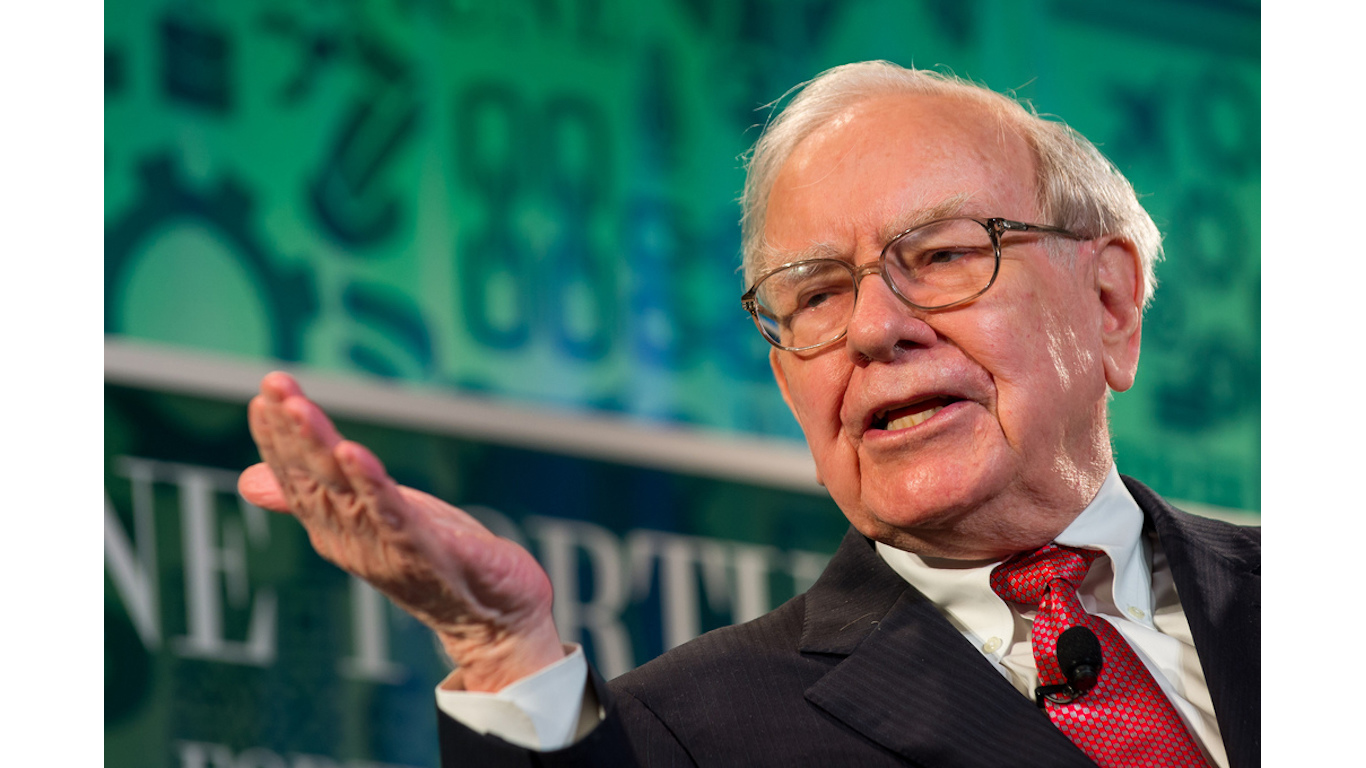
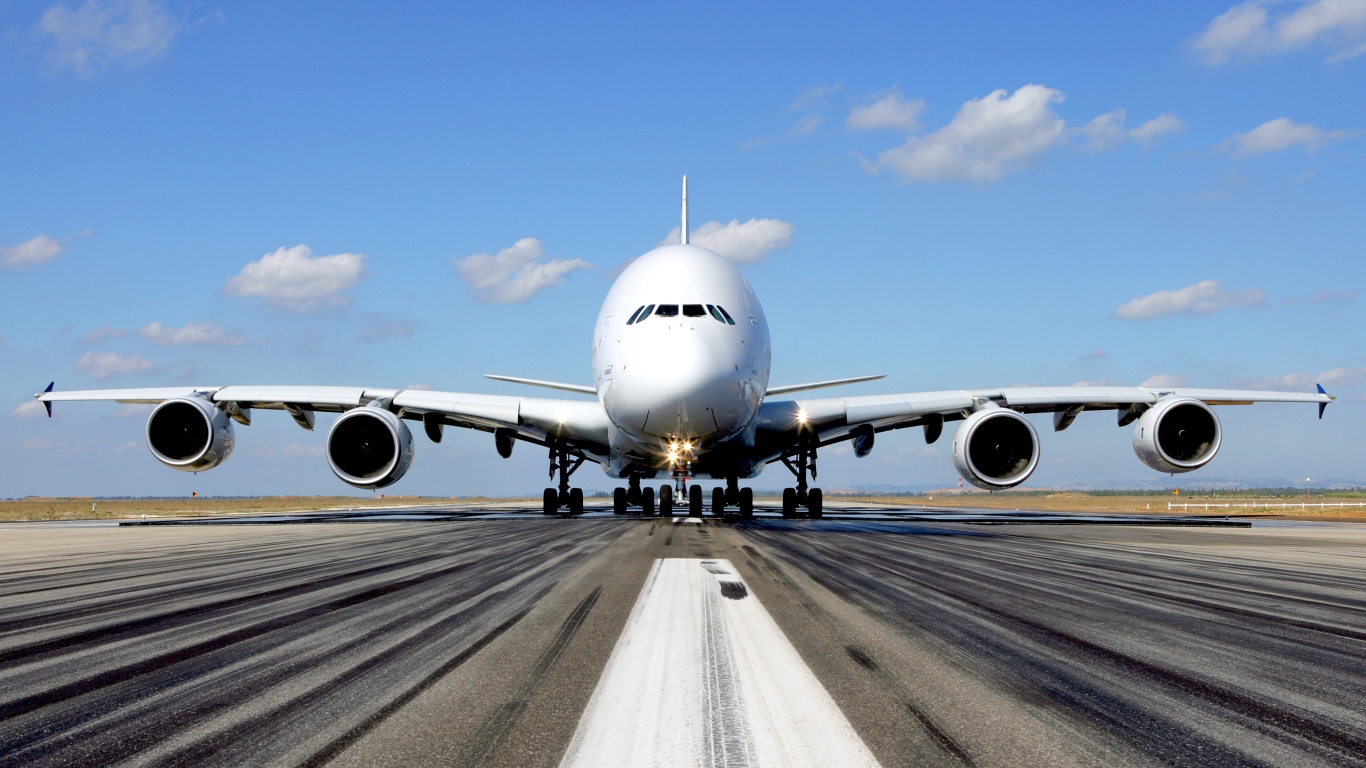
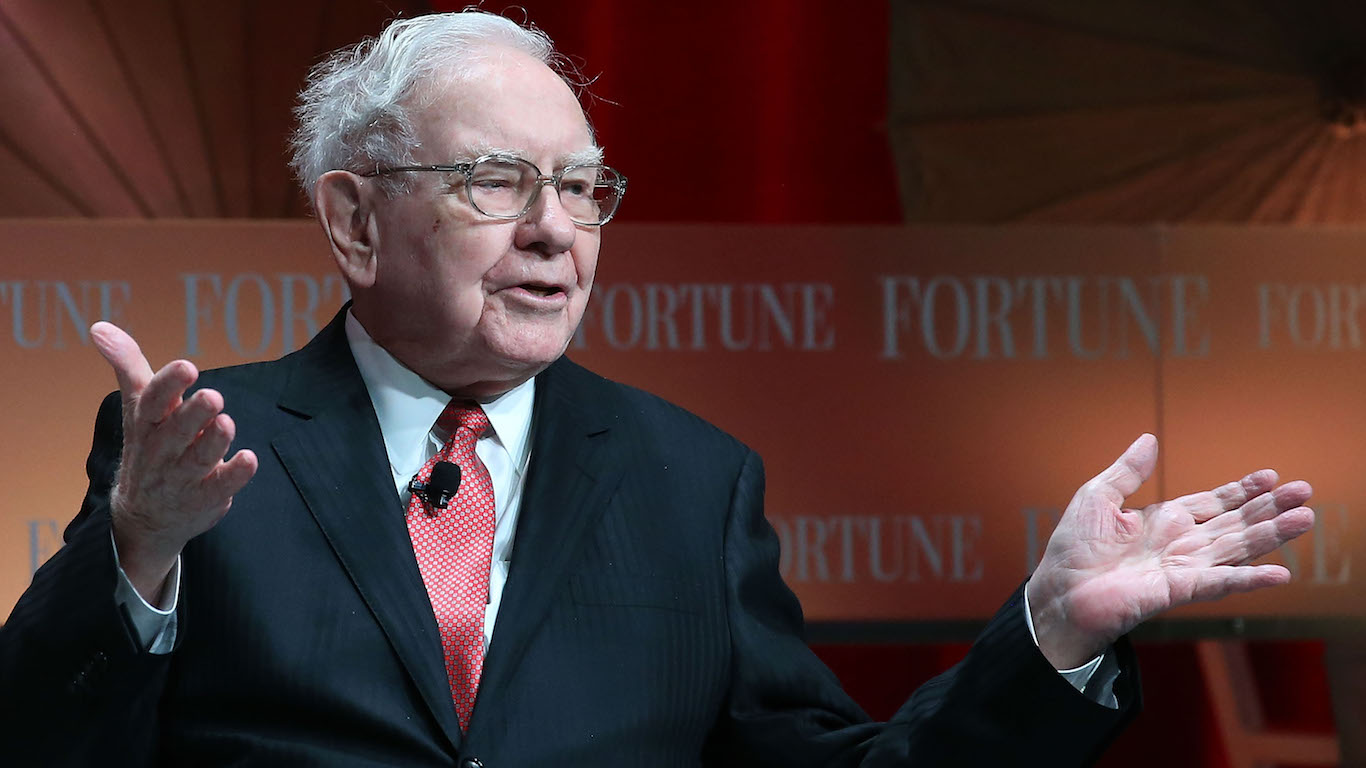
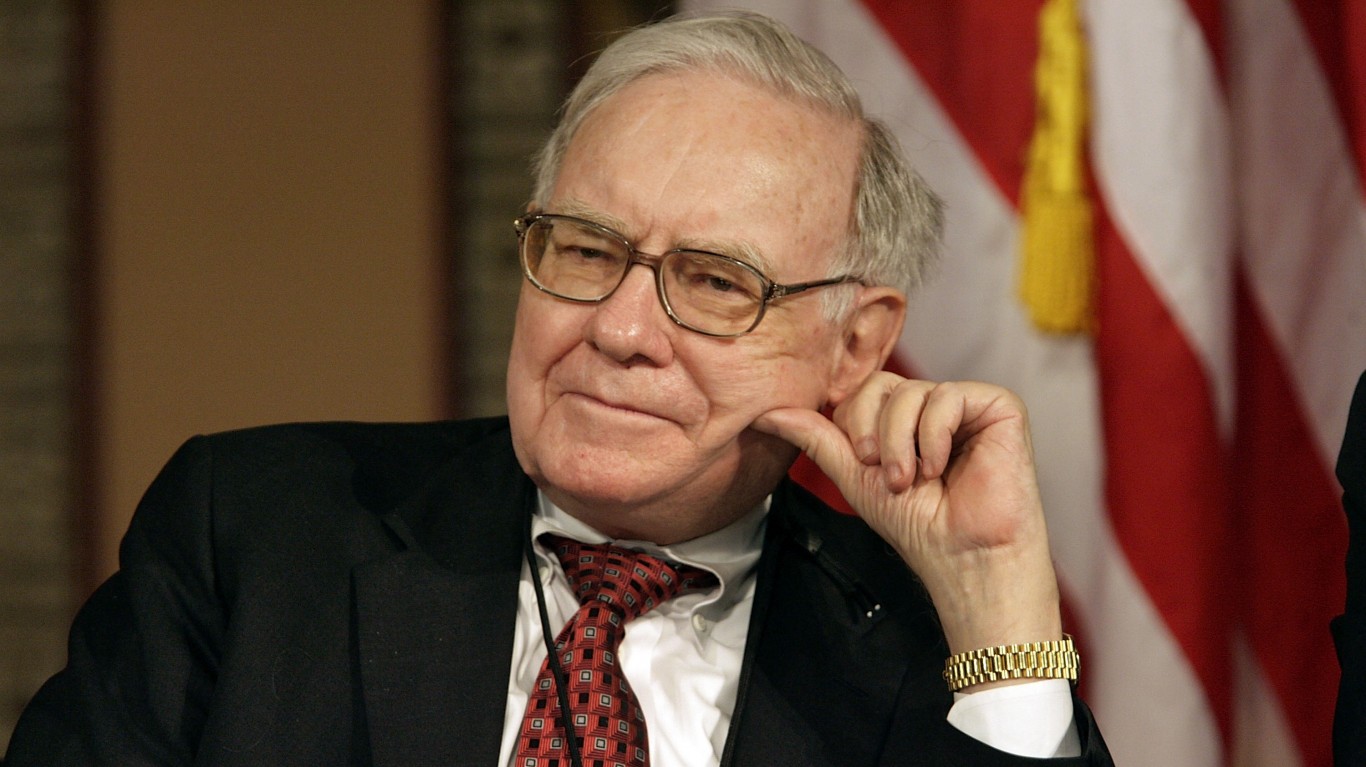
If you have followed the stocks being sold by Warren Buffett and his team at Berkshire Hathaway Inc. (NYSE: BRK-A) for years, the one thing you will know is that he has hated airlines for the better part of two decades now. Then the ball dropped on Monday, November 14, that Buffett and his team have actually bought the airline stocks.
24/7 Wall St. tracked the full equity changes, and the airlines were the single largest standout of all the major changes. For years Buffett has bashed owning airlines. His jet-share service NetJets is an exception due to the market it serves.
What investors need to assume here is that the airline stakes were taken by Ted Weschler or Todd Combs. That is not a 100% certainty, but Buffett makes larger investments on his own in most cases. There is also a note below that Buffett was involved in at least part of this decision after the September 30 cut-off date for the 13F-HR filing.
These are the stakes that were taken, with additional color on the size relative to each company’s market cap and to recent trading history.
[nativounit]
American Airlines Group Inc. (NASDAQ: AAL) was a new stake of 21.77 million shares, and it was worth almost $800 million at the end of September. American Airlines has a $22.7 billion market cap after a 1.2% gain on Tuesday. Shares were last seen at $44.00, in a 52-week trading range of $24.85 to $46.49. The consensus analyst price target is $43.07.
United Continental Holdings Inc. (NYSE: UAL) was also listed as a new stake of 4.533 million shares, worth about $238 million at the end of the quarter. After a 1% gain on Tuesday to $63.75, the company has a $20.2 billion market cap, and that means that Berkshire Hathaway is just a 1% stakeholder, more or less. The consensus price target is $63.30, and the 52-week range is $37.41 to $67.68.
Delta Air Lines Inc. (NYSE: DAL) was also listed as a new stake, and the 6.333 million shares were worth some $249.3 million at the end of September. The market cap is $34.6 billion, but this stock was down 0.5% at $47.20 on Tuesday morning. The 52-week range is $32.60 to $52.77.
Southwest Airlines Co. (NYSE: LUV) was not listed as a direct stake in Berkshire Hathaway’s 13F-HR filing as of September 30. But Buffett told CNBC’s Becky Quick that Berkshire Hathaway did actually buy into Southwest shares after the cut-off after he didn’t want Herb Kelleher thinking he did not favor Southwest out of the other legacy carriers. What we do not know is what the size of the stake. Southwest was up 1.5% at $46.00 on Tuesday, with a $28.3 billion market cap. The 52-week range is $33.96 to $51.34, with a consensus price target of $49.04.
The reasons that Warren Buffett hated the airlines were largely similar to Gordon Gekko’s aversion to staying in an airline stock in the 1980s hit movie Wall Street — even if Buffett would hate to have his name sullied in the same sentence as Gordon Gekko.
Buffett has in the past referred to the airline sector as a death trap. He actually made money on an old 1989 bet in U.S. Air, but that was after suffering pain on the investment before it recovered. Buffett has even gone as far as to say that the best airline bet would have been to shoot the Wright brothers down.
When Buffett was involved in airlines, terrorism on a 9/11 scale had not been a risk. Labor and union relations (and strikes) have always been a risk, and then there is the dependence on stable gasoline (jet fuel) prices. And the one area that sees an immediate slowdown if there is a hint of economic softness is airline ticket purchases.
What has changed now is that airlines have much stronger pricing power, and they get to dictate luggage and seating terms to passengers like the customers are greedy children. Airline carriers also have gone to great lengths to cut their capacity to avoid sending planes into the air with a large number of vacant seats. And of course, airlines have enjoyed a serious benefit for carrying cargo to and from cities.
Before investors think that they can blindly pile into airline stocks here, they might want to consider that airline stocks are already back close to 52-week highs, and some trade at or above their consensus price targets.
Here are the full Buffett portfolio changes.
[wallst_email_signup]








 Top Gaining Stocks
 Top Losing Stocks