


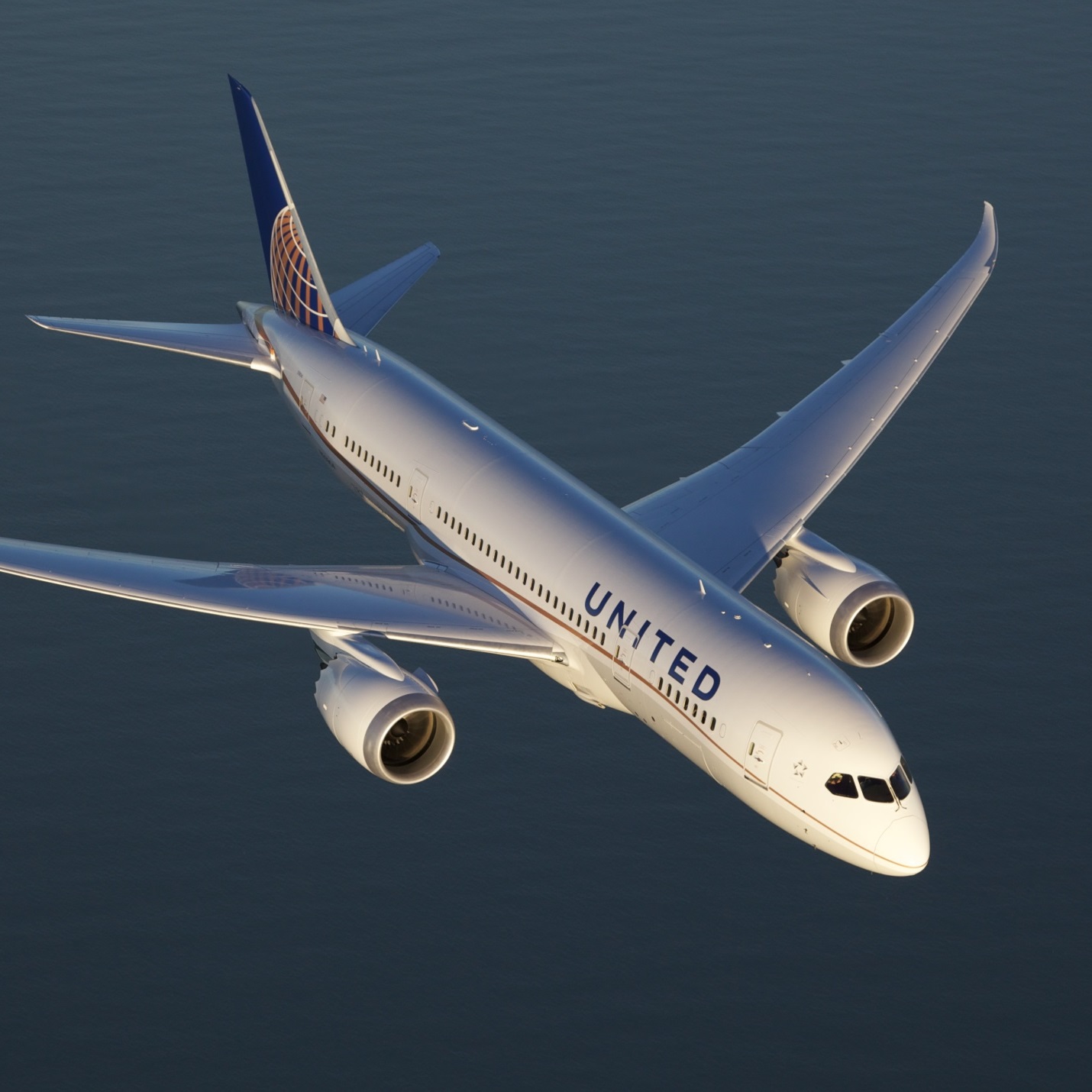
When United Continental Holdings Inc. (NYSE: UAL) released quarterly results last week, the airline reported earnings that beat estimates and revenues that were in line. The trouble started on the conference call when CEO Oscar Munoz faced some tough questions about the company’s fourth-quarter outlook and could not satisfy analysts’ concerns.
United is reported to be seeking a revised deal on its co-branded Visa card issued by JPMorgan Chase & Co. (NYSE: JPM) as part of an effort to boost both the top and bottom lines. The two companies have issued the co-branded cards for 30 years and last renewed the partnership in 2015.
Now, however, United says its deal with the bank is not competitive with other airline industry cards and that it wants to redo the deal as a way to improve the airline’s profit.
United’s problem is that its pretax profit margin forecast for the fourth quarter is around 5%, much worse than industry leader Delta Air Lines Inc. (NYSE: DAL), which is expected to post a margin of around 12%. United is also on track to post capacity growth of 3.5%, a faster pace than rivals and a drag on revenue per seat mile.
[nativounit]
But then JPMorgan has problems of its own, according to The Wall Street Journal. The bank’s net revenue rate for its card services business did rise in the quarter after falling for the past year. The net revenue rate was 11.0% in the third quarter, and the bank expects that to rise to 11.3% in the current quarter, still well short of its 2013 peak of 12.8%.
The bank has managed to return to growth in the card services business by cutting its rewards costs. If it has to split those savings — or worse, give United all its co-branding savings — the bank’s net revenue rate will take a hit.
Neither the airline nor the bank is likely to solve its revenue problems on the basis of this one deal, but both will be looking to get some help. How that might work out is anybody’s guess.
United stock traded down about 1.5% Monday morning, at $59.00 in a 52-week range of $52.21 to $83.04. The 12-month consensus price target on the stock is $72.13.
JPMorgan shares traded up about 0.3% to $99.79, after posting a new 52-week high of $99.99 earlier. The 52-week low is $67.64 and the 12-month consensus price target is $99.62.
[recirclink id=415310]
[wallst_email_signup]






 Top Gaining Stocks
 Top Losing Stocks