


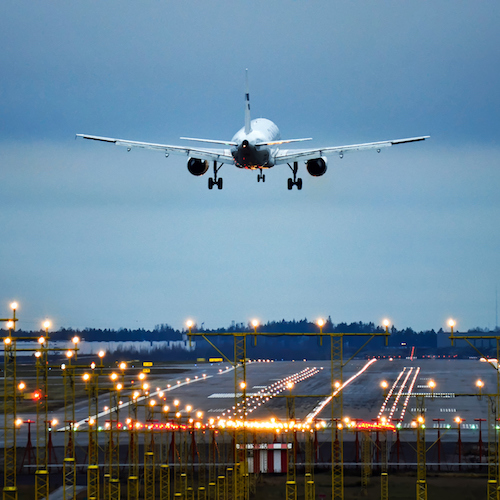
Higher oil prices will mute airline margins this year, as global fuel costs are expected to total $188 billion. After years of the benefits of low oil prices, carriers will need to contend with the expense of one of the few things over which they have little control.
The International Air Transport Association (IATA), the industry’s trade group, reported fuel costs also will rise sharply as a portion of the industry’s expenses:
This year we forecast the airlines fuel bill will rise to $188 billion, which will represent 24.2% of average operating costs. Jet fuel prices have continued to rise with oil prices and we base our forecast on an average price of $84/b this year, and $70/b for the Brent crude oil price. The sharp rise in prices is being driven by OPEC cuts, and the realization that inventories need to remain higher than before now that OPEC’s buffer role has gone. The impact on the industry’s fuel bill was dampened last year and to some extent this year by the impacts of fuel hedging in one or two regions.
[in-text-ad]
Hedging fuel prices, however, is a dangerous business. Delta Air Lines lost $4 billion in 2016 due to poor hedging decisions.
Among the other conclusions of the IATA forecast is that consumers will experience flat prices compared with last year. Whether this is good for the industry is debatable. Flat prices may encourage more ticket sales. Flat prices also mean less leverage for higher margins.
[nativounit]
Governments will benefit from the airline industry’s success. Taxes collected from the industry are expected to rise from $123 billion last year to $133 billion.
The number of planes used by the industry worldwide is forecast to rise. According to the IATA:
The fleet is forecast to increase by over 1000 aircraft to end this year at almost 30,000 aircraft; expansion continues as markets have expanded strongly and the outlook remains positive. The average size of aircraft in the fleet is continuing to rise slowly. So by the end of 2018 there will be around 4.4 million available seats.
And the airline industry is expected to employ more people this year than last. The total number of workers is forecast to rise 3.7% to 2.8 million.
Finally, the IATA’s claims about the industry and overall economic growth:
Economic development worldwide is getting a significant boost from air transport. This wider economic benefit is being generated by increasing connections between cities enabling the flow of goods, people, capital, technology and ideas -and falling air transport costs. The number of unique city-pair connections is forecast to have exceed 21,000 this year, more than double the connectivity by air twenty years ago. The price of air transport for users continues to fall, after adjusting for inflation. Compared to twenty years ago real transport costs have more than halved.
What the association does not say is what an expanding or slowing economy might do to the industry’s fortunes.
[wallst_email_signup]





 Top Gaining Stocks
 Top Losing Stocks