


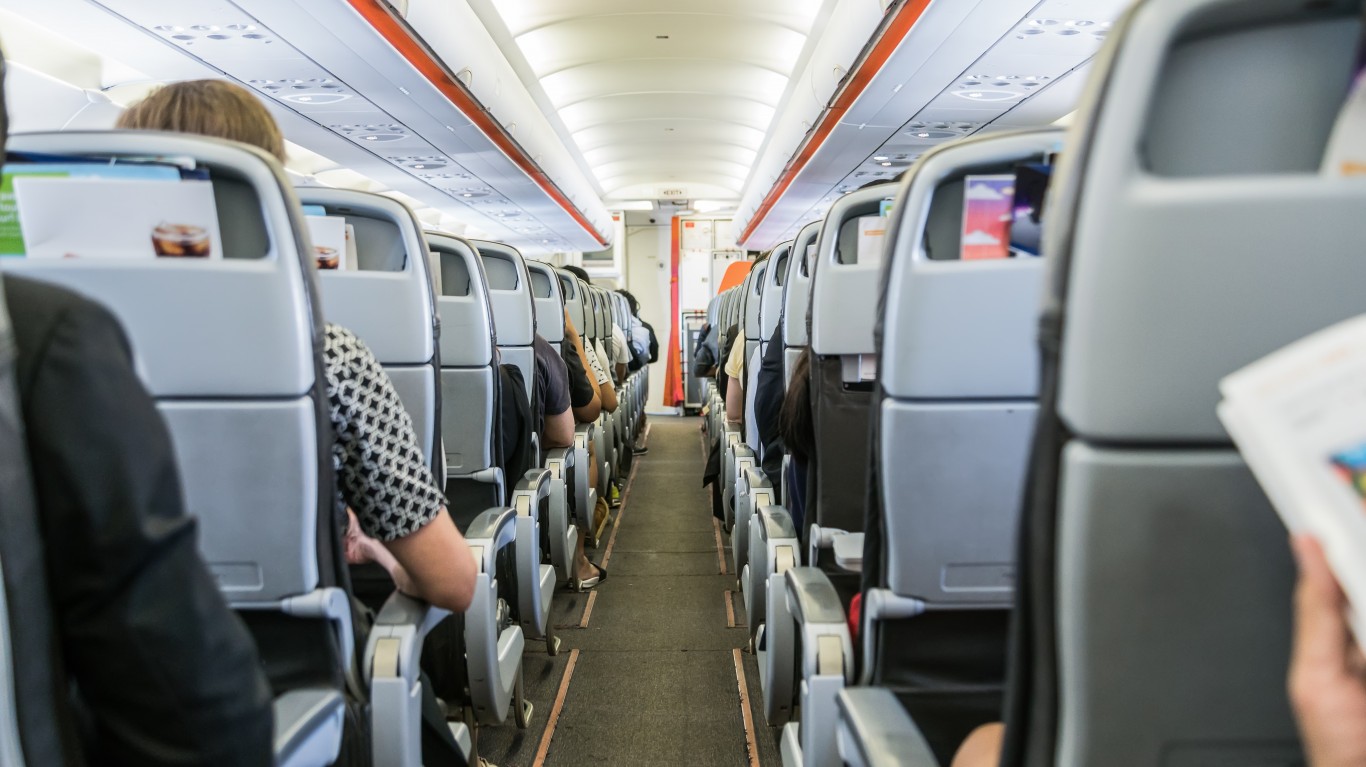
Among the most frequent complaints about air travel is that seats get smaller and so does the distance between seats. That is about to get worse, at least on many Delta Air Lines Inc. (NYSE: DAL | DAL Price Prediction) flights.
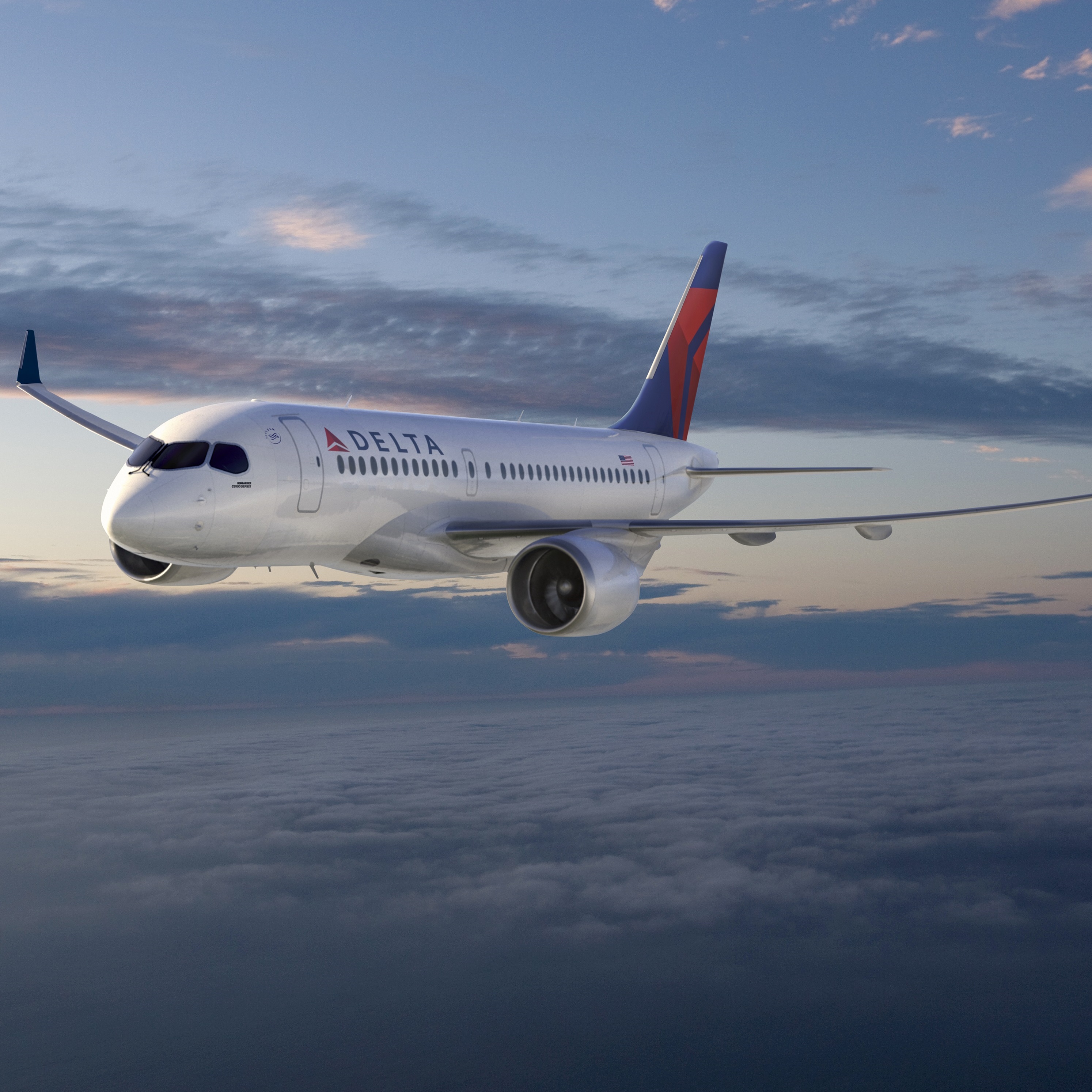
According to the Points Guy website, Delta will reduce how far seats can recline on all its Airbus A320 planes. The move applies to both first class and coach on the 62 Airbus A320s that Delta owns.
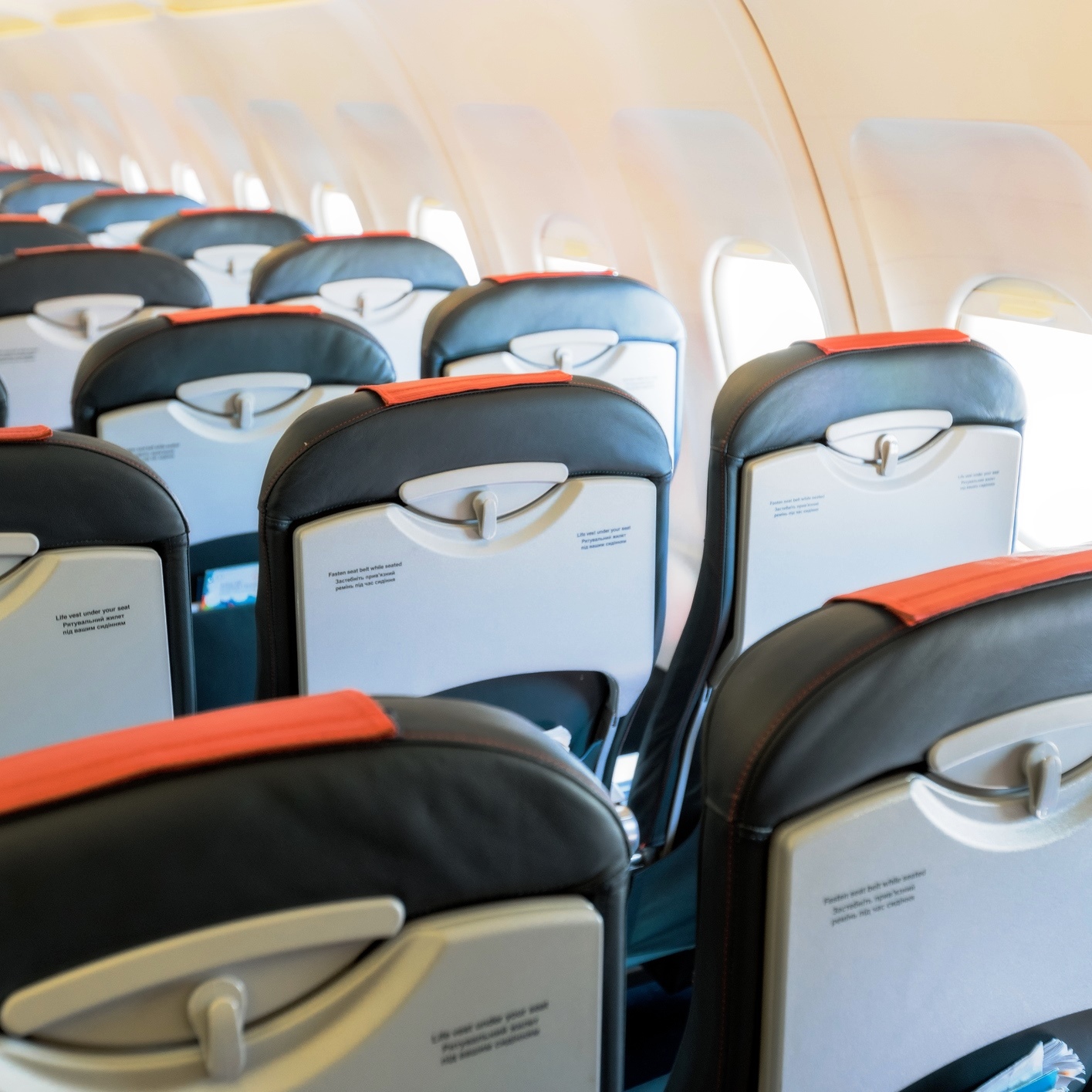
The first class pinch will cut how far a seat can recline from 5.5 inches to 3.5. In coach, the reduction will be from four inches to two. The measure is taken from the top of the seat.
Oddly, Delta said the decision will make flying more comfortable. That is because, the carrier says, it will not add more seats. The major reason airlines cut seat size is to accommodate more passengers. M. Ekrem Dimbiloglu, Delta’s director of onboard product and customer experience, told the Points Guy in a phone interview, “We’re not adding a single seat into the aircraft.”
[nativounit]
The reasoning goes this way. People are less likely to collide with the seat ahead of them, saving passengers that unpleasant experience. Laptops can fold down further, the carrier says. And it is easier to see the entertainment screen on the back of a seat if it does not recline as much. Dimbiloglu added, “It’s really not at all a gateway to reducing your legroom. That is not the intent here.” That may be hard to sell passengers.
The move to add more seats has been going on for a long time as carriers seek to improve their dollar yield per flight. Flight Global picked up on one of these decisions last year. United Airlines increased the number of coach seats from 213 to 234 in the carrier’s 757-300 planes.
The complaints about seat size have gotten so bad that Congress has begun to look at regulations that would require airlines to keep a minimum seat size. Democratic Sen. Bill Nelson of Florida commented that it was time to take action on “ever-shrinking” seats: “Relief could soon be on the way for weary airline passengers facing smaller and smaller seats.” His analysis showed the space between seats used to be 34 to 35 inches. On many carriers, that is down to 30.
Congress may be the only hope for seat relief. Carrier by carrier, the seats are getting smaller and smaller.
[recirclink id=540443]
[wallst_email_signup]







 Top Gaining Stocks
 Top Losing Stocks