


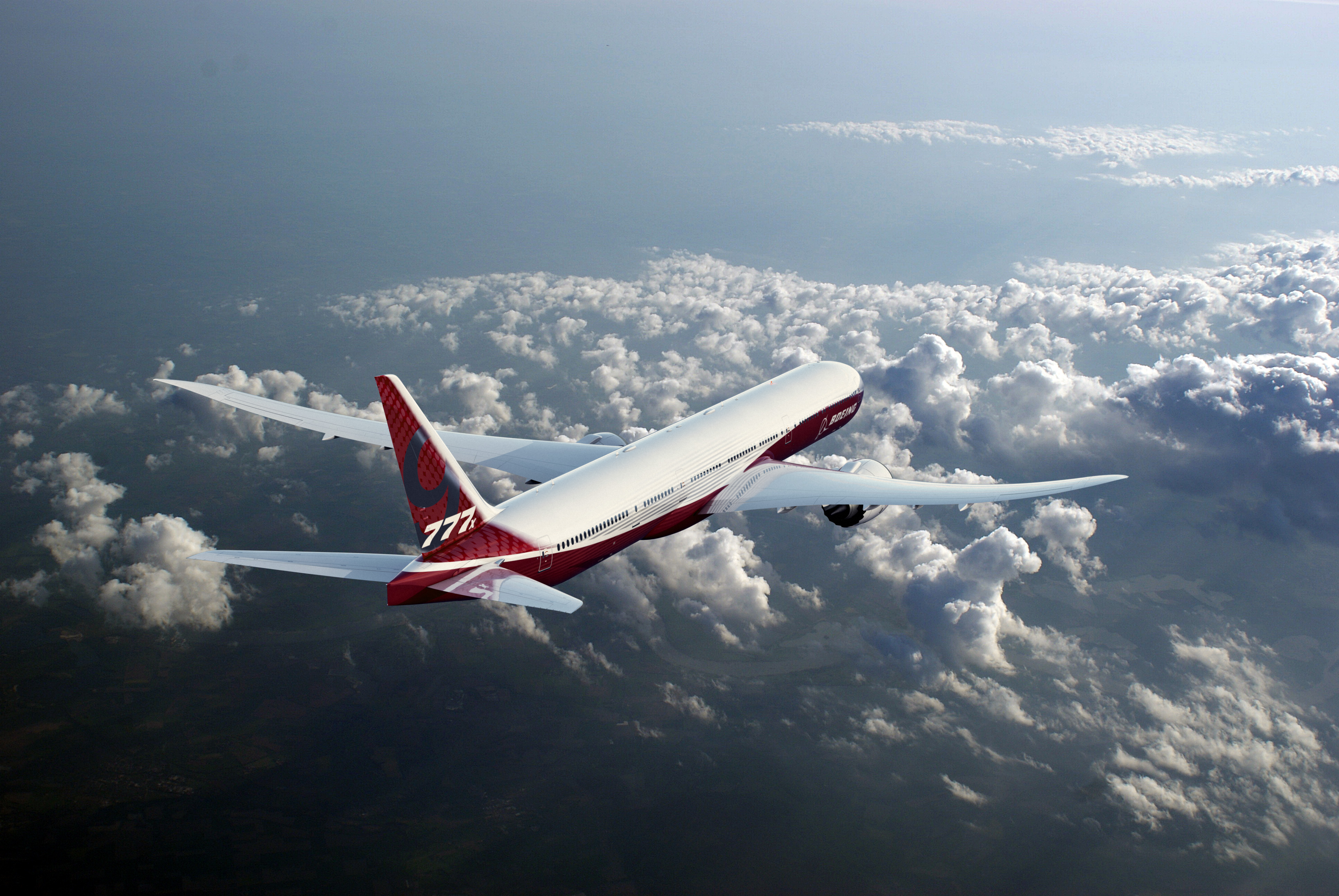
Japanese companies currently supply a similar percentage of parts for the 777 and 35% of the parts for the 787 Dreamliner. Boeing said that it spent more than $4 billion on Japanese goods and services in 2013 and supported “tens of thousands of aerospace jobs.” The new agreement “extends [Boeing’s] important and strategic relationship for decades to come.”
It could also be that Boeing got the message that it had better spread the wealth of the 777X around if it wanted to maintain its chokehold on Japanese airline business. In late March, Airbus announced that it had received an order for 30 A320neo and A321neo aircraft from All Nippon Airways in a deal worth $16.6 billion at list prices for Airbus. Boeing also lost to Airbus on a $9.5 billion deal last year with Japan Air Lines. That was Airbus’s first-ever win in Japan, where Boeing has held a virtual monopoly since the 1950s.
ALSO READ: America’s Best and Worst Airlines
Not everyone is happy with the Boeing deals with Japan. In a 2005 study, researchers at the State University of New York at Buffalo had this to say about Boeing’s Japanese suppliers:
[T]echnology transfer through commercial aircraft outsourcing … has had a major impact on developing the build and design capabilities of the Japanese aerospace industry. This has evolved from a simple “build to print” subcontractor relationship to a turnkey “design and build” risk-sharing partnership. … [T]he motives for Boeing’s commercial outsourcing to Japan are to access the market, spread risk, gain access to capital, and lower US spending on research and development. This has clear implications for US trade and employment, in that Japanese subcontracting boosts foreign imports and reduces the need for domestic production workers and US suppliers.
Except for the United States, Japan is the largest supplier of parts for the 777. Boeing recently agreed to build the composite wing for the new plane in Washington after threatening to take the work offshore unless the company’s machinists union agreed to contract concessions.
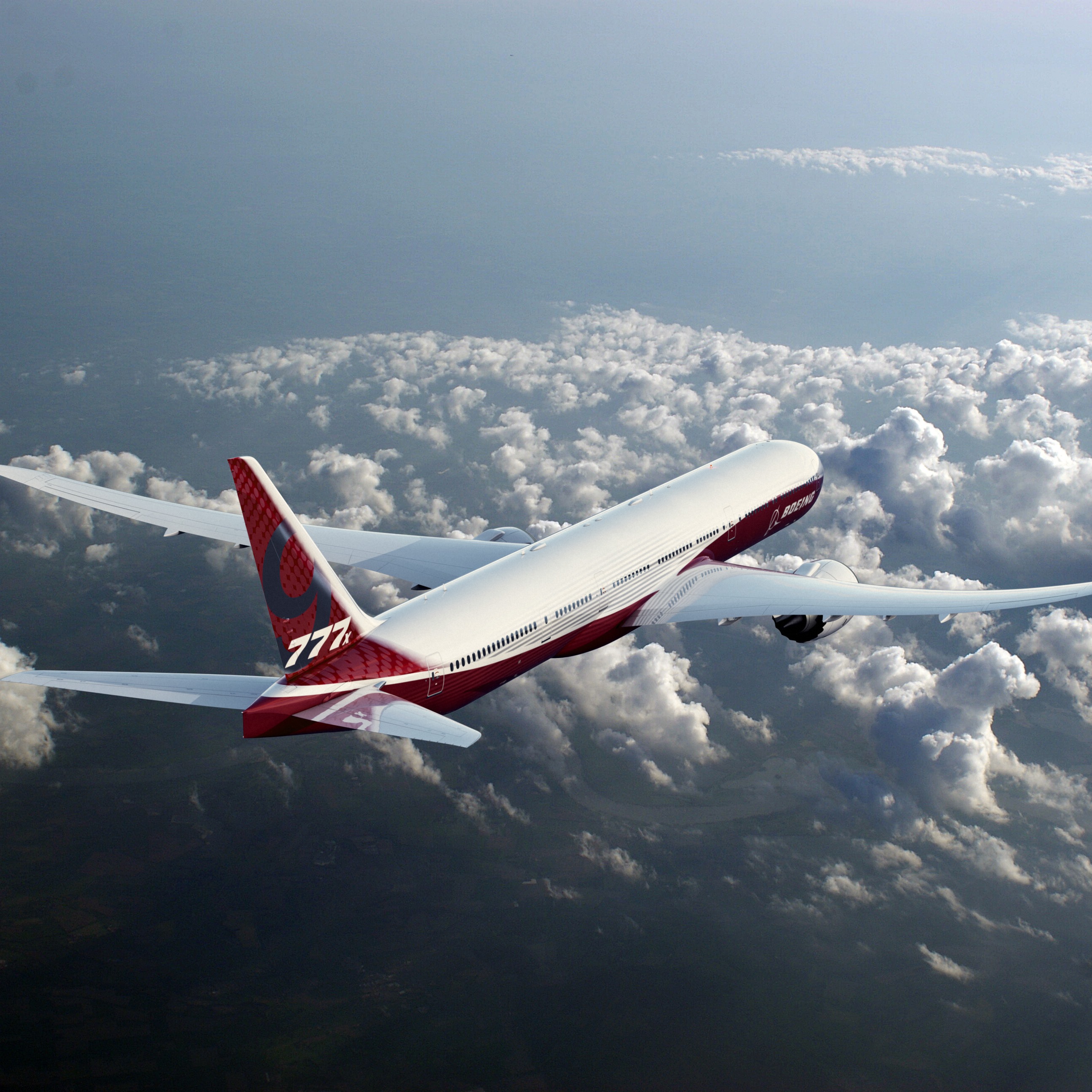
The largest of the 777X aircraft, the 777-9X, will sell for $377.2 million, while the smaller 777-8X will sell for $349.8 million at list prices. The current 777-300ER is currently Boeing’s most expensive aircraft, with a list price of $320 million.







 Top Gaining Stocks
 Top Losing Stocks