


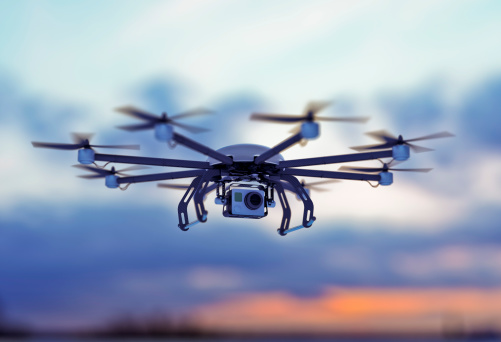
While the FAA Modernization and Reform Act was passed in 2012 with the aim of significantly increasing commercial and law enforcement use of drones in the coming years, concerns continue to be raised about the safety of the technology.
According to the report, the FAA has failed to reach a consensus on technology standards for how drones should detect and avoid other aircraft and maintain communication with ground control stations. No regulatory framework for drone integration has been established, drone safety data is not effectively being collected or analyzed, and no procedures are in place for sharing drone safety data with the largest user of drones, the U.S. Department of Defense.
An FAA spokesperson acknowledged that safely integrating drones into U.S. airspace is challenging, but said that significant progress toward that goal had been made. The agency has published a UAS road map that addresses current and future policies, regulations, technologies and procedures, as required by the 2012 law. The FAA also has issued a comprehensive plan for simplifying the process of authorizing UAS flights.
The FAA forecasts there will be around 7,500 active drones in the United States in five years, ranging in size from smaller than a radio-controlled model airplane to having a wingspan comparable to a Boeing 737. Their uses will include monitoring forest fires and borders, military training, assisting in law enforcement and even package delivery.








 Top Gaining Stocks
 Top Losing Stocks