


If you’ve spent any time in New York City traffic, you already know the feeling — the gridlock, the honking, the creeping pace that turns a 15-minute trip into a half-hour negotiation with frustration, if you’re lucky.
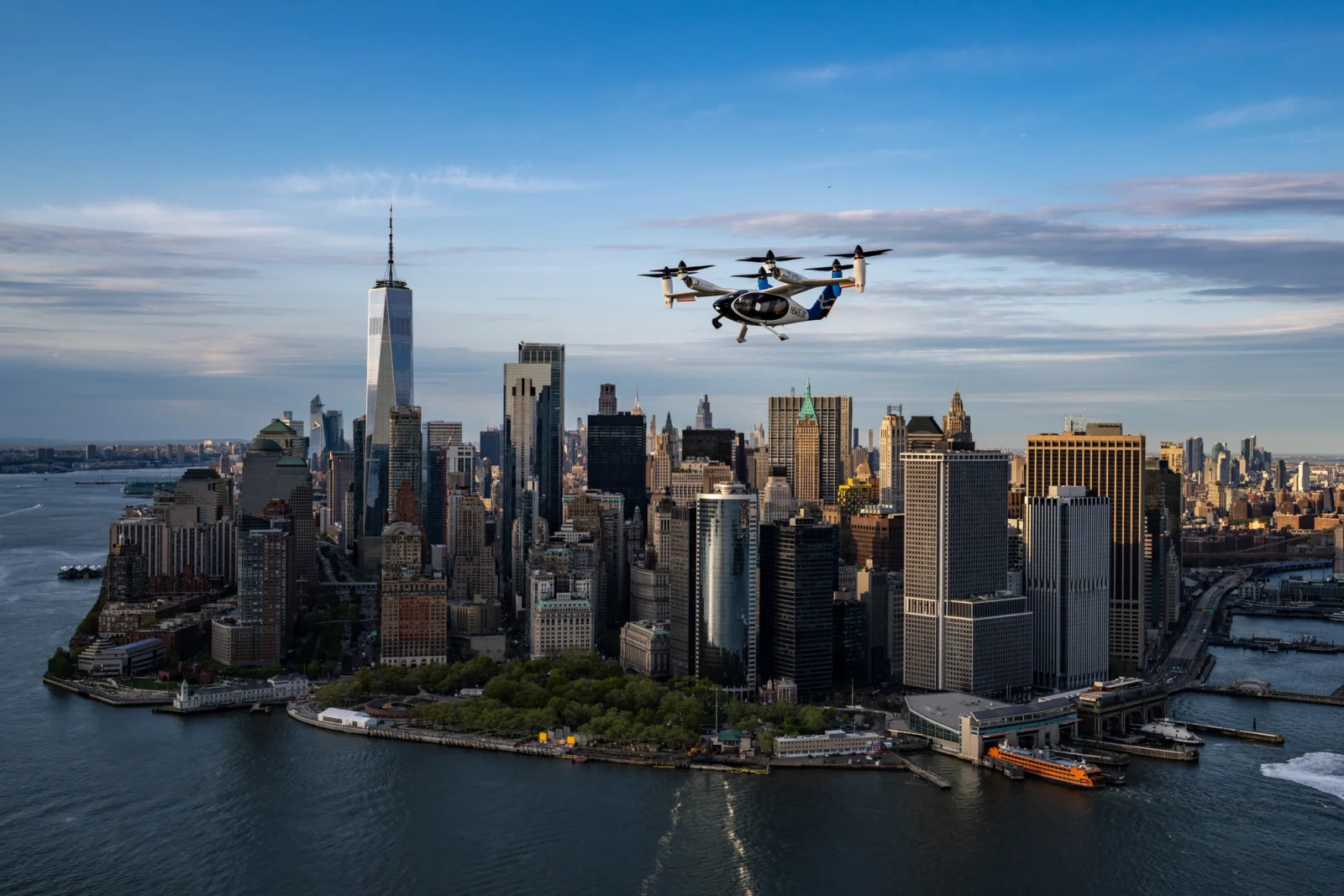
Now imagine skipping the gridlock entirely. Instead, you hop in a quiet electric air taxi and touch down in under 10 minutes. That future got a little closer this week when Joby Aviation (NYSE:JOBY | JOBY Price Prediction) completed the city’s first-ever point-to-point eVTOL demonstration flights.
As part of the FAA’s eVTOL Integration Pilot Program, Joby’s piloted aircraft shuttled between JFK Airport and three Manhattan heliports — Downtown Skyport, West 30th Street, and East 34th Street. The flights were conducted with the Port Authority and NYC Economic Development Corporation using existing infrastructure. No paying passengers, no fares — just important real-world testing.
So the question investors should be asking is simple: was this just another publicity flight, or a real step toward commercial air taxis?
What Actually Happened in the NYC Demo
Joby’s demonstration wasn’t a fantasy flight looped over a desert test range. Instead, the aircraft completed a controlled urban demonstration designed to mirror future passenger service conditions — including vertical lift, transition to forward flight, and landing within a confined urban environment.
But the symbolism is hard to miss. Flying in New York City airspace — even in a limited demonstration window — requires coordination with aviation authorities and strict compliance with safety and operational constraints. In that sense, the flight wasn’t about speed or distance. It was about permission structures slowly opening.
When all is said and done, if regulators are willing to let aircraft like Joby’s operate even in demonstration form over one of the world’s most tightly controlled airspaces, it signals that certification pathways are moving — even if slowly — in the right direction.
Still Pre-Revenue, But Making Progress
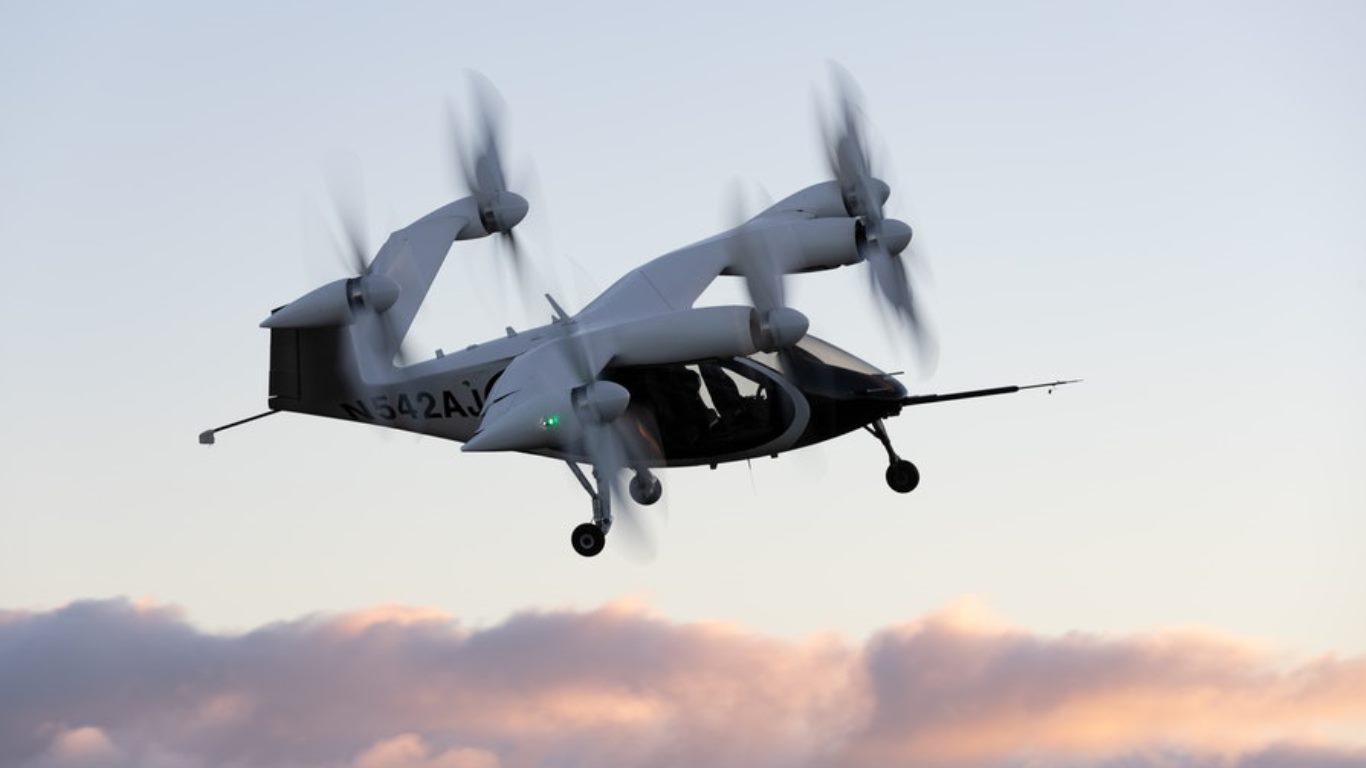
Joby remains a pre-revenue company laser-focused on winning full FAA type certification for its S4 air taxi, scaling production, and building vertiports. It is still burning cash and needing to raise capital to ensure it makes it to the finish line.
These New York flights weren’t the start of commercial service; they were a crucial de-risking exercise in one of the world’s most congested and tightly regulated airspaces.
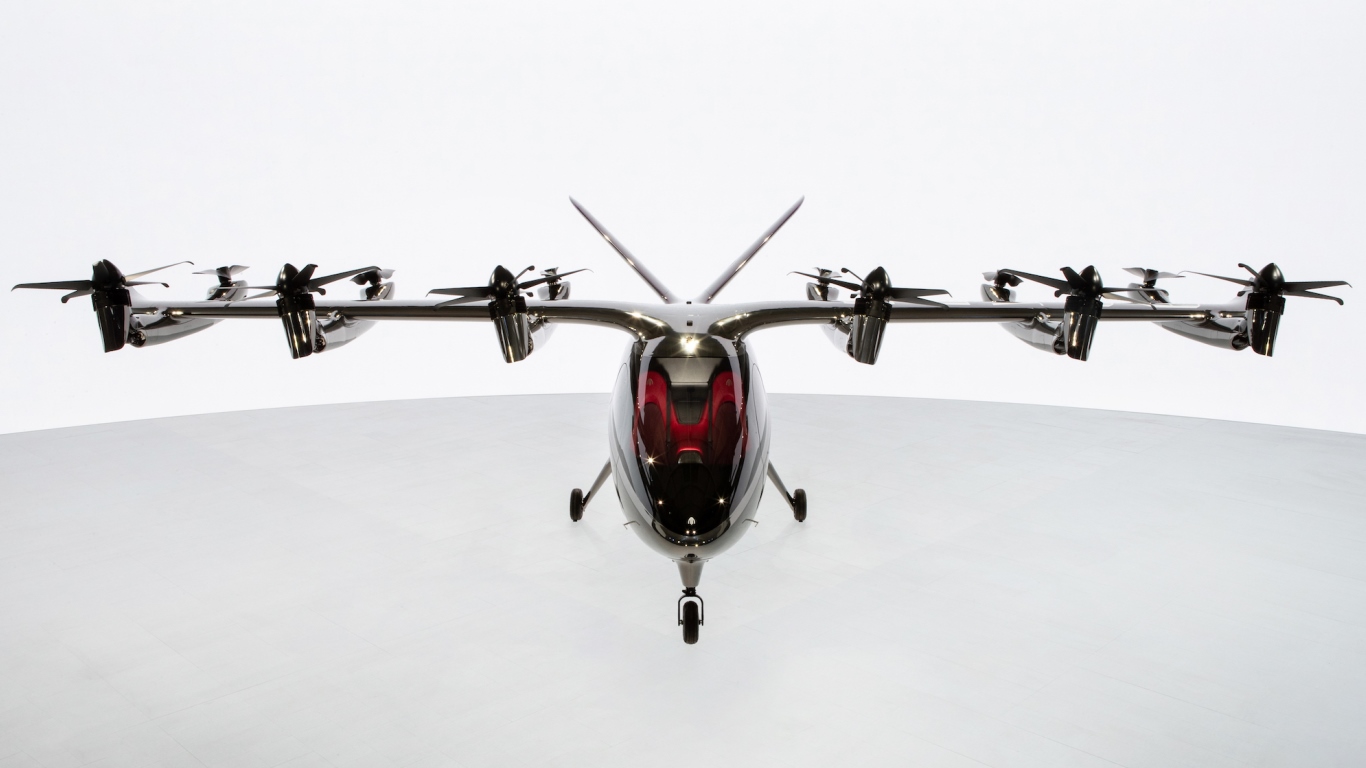
On the certification front, Joby is ahead of rival Archer Aviation (NYSE:ACHR). It has completed Stage 4 of the FAA’s five-stage process, started flight testing its first conforming aircraft, and is preparing for FAA pilot inspection later in 2026.
The company still targets initial U.S. commercial operations in the second half of 2026, though full certification remains a multi-quarter effort. The faster route to revenue looks to be overseas. Joby and Dubai’s Roads and Transport Authority are aiming to launch passenger-carrying service in Dubai in 2026, where infrastructure and regulatory approvals are moving more quickly.
Why This Matters for Joby’s Commercial Timeline
Joby is still in the long runway phase of its business. That makes milestones like this more than headlines. They are checkpoints in a regulatory marathon that determines whether the company ever reaches commercial viability.
The NYC demo doesn’t change Joby’s financials. But it does potentially change the probability curve investors are assigning to future revenue.
The gap between “concept” and “commercial fleet” is where valuation lives in this sector. And right now, Joby is still priced by the market as a future outcome, not a current business. That cuts both ways. If certification accelerates, upside re-rates quickly. If delays stack up, sentiment can compress just as fast.
That said, investors should remember something critical: aviation timelines are measured in regulatory approvals, not product cycles.
The Investor Signal Hidden in Plain Sight
What the NYC demonstration really signals is not immediate commercialization — it’s regulatory normalization. Each successful test in a major metro area reduces friction for the next one. That compounding effect is subtle but powerful.
In short, Joby is not selling flights yet. It is proving it can operate within the rules that will eventually allow flights to be sold. And that’s the pivot point.
Granted, risks remain significant. Certification could slip. Infrastructure buildout could lag. And competition from peers like Archer Aviation could intensify pressure on timelines and capital needs.
Regardless, Joby’s NYC demo adds one more data point to a developing thesis: eVTOL is no longer theoretical engineering — it is now regulated aviation in motion.
Key Takeaway
When all is said and done, Joby’s NYC air taxi demonstration doesn’t mark the arrival of commercial service, but it does mark something arguably more important: regulatory legitimacy is starting to materialize in real airspace, not just test corridors.
For investors, that shifts Joby Aviation from “if it works” to “how fast it scales after certification.” That’s a narrower question — and one the market can actually start pricing.









 Top Gaining Stocks
 Top Losing Stocks