


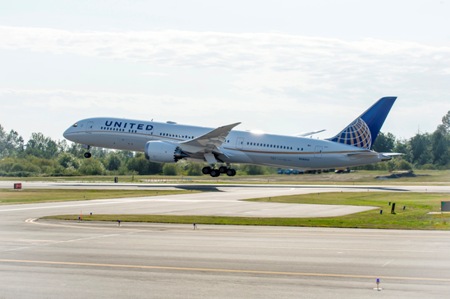
The 787-9 is the second version of the Dreamliner, and is 20 feet longer, can carry more passengers and can fly farther than the 787-8. Passenger capacity rises from 242 to 280 and the flying range expands from around 8,200 miles to more than 8,550 miles.
United plans to fly the plane with 252 seats and its first scheduled route is the longest yet for a 787 — Los Angeles to Melbourne, Australia, a journey of nearly 8,000 miles, or nearly 16.5 hours at an average speed of 500 mph.
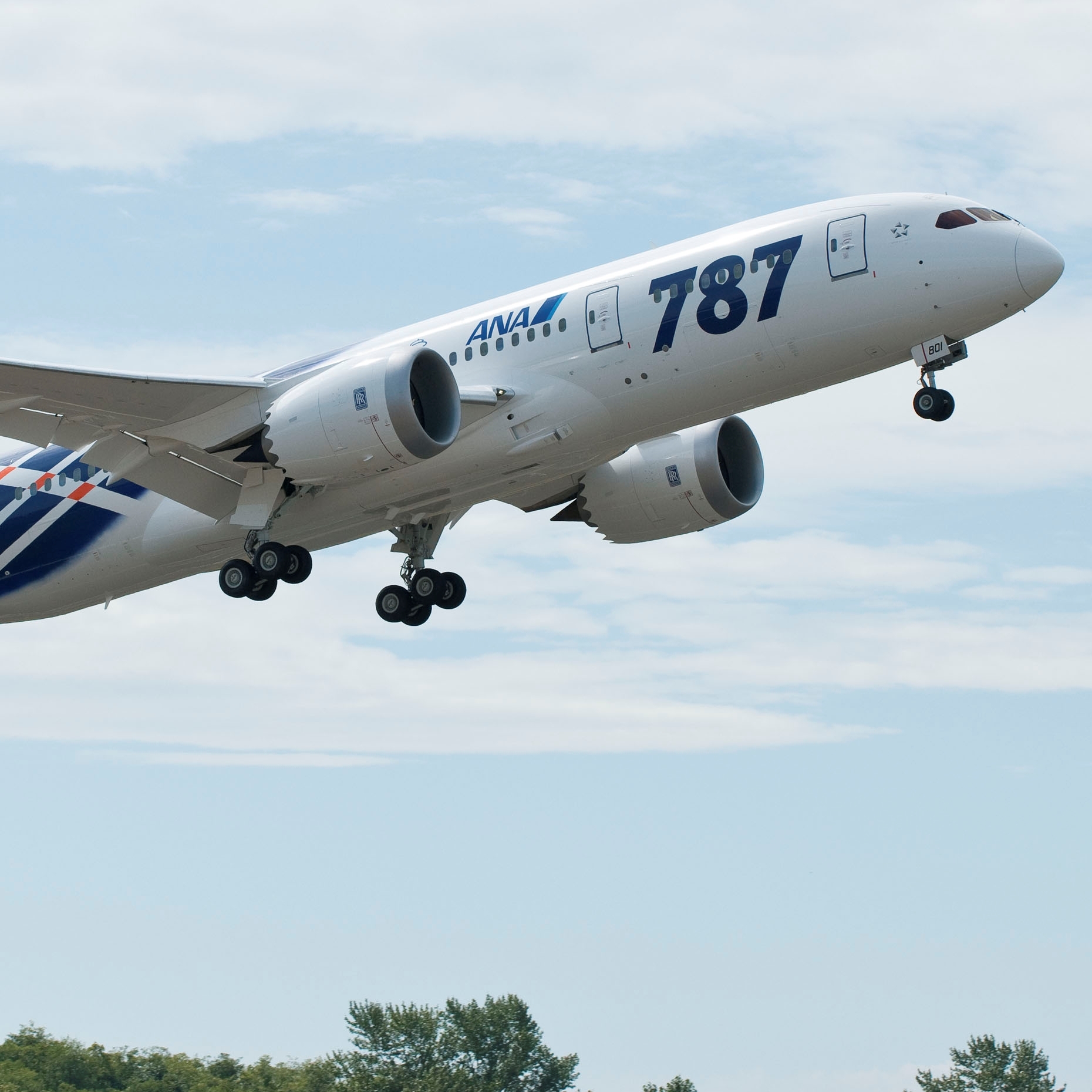
The 787-9 equipped with engines from Rolls-Royce was certified in June and Boeing has already delivered planes with these engines to Air New Zealand and All Nippon Airways.
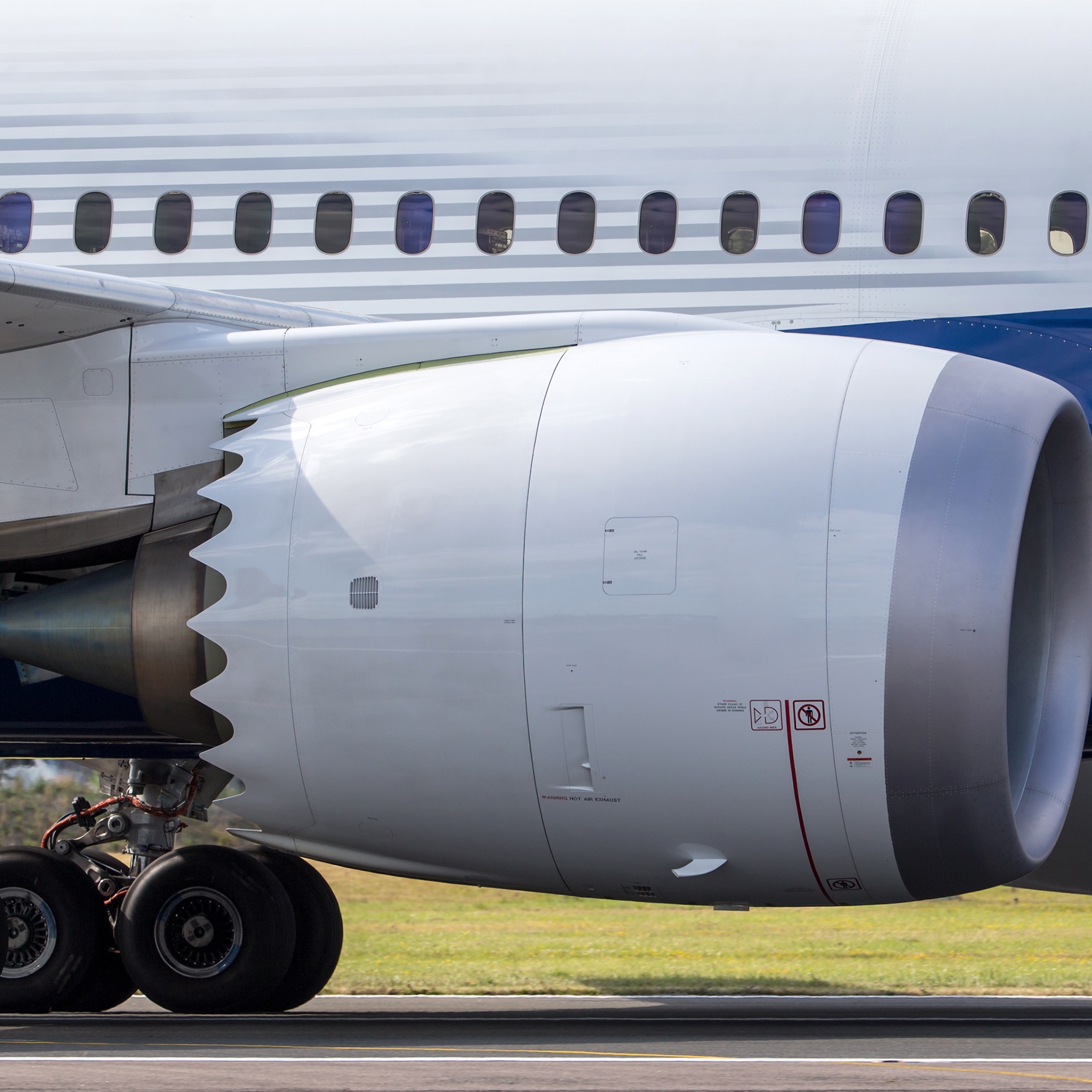
The newly certified engine is one of six in the GEnx (next-generation) family. The GEnx-1B64, -1B67 and -1B70 are all certified for the 787-9 and the 787-8. The GE-1B70 is also planned to be certified for the 787-10, which is scheduled for delivery to Boeing customers in 2018.
In early August, a 787-8 owned by Thomson Airways and equipped with GE engines experienced an engine problem and the pilot had to shut down one of the two engines about 90 minutes into a scheduled 9.5-hour flight from the Dominican Republic to Manchester, England. The plane landed safely at a military base on the Azores about four hours after the engine was shut down.
Boeing’s stock closed down 0.61% on Friday at $124.69 in a 52-week range of $106.56 to $144.57.






 Top Gaining Stocks
 Top Losing Stocks