787 Dreamliner Engine Fails Over the Atlantic

Photo of Paul Ausick
By Paul Ausick Updated Published
This post may contain links from our sponsors and affiliates, and Flywheel Publishing may receive compensation for actions taken through them.

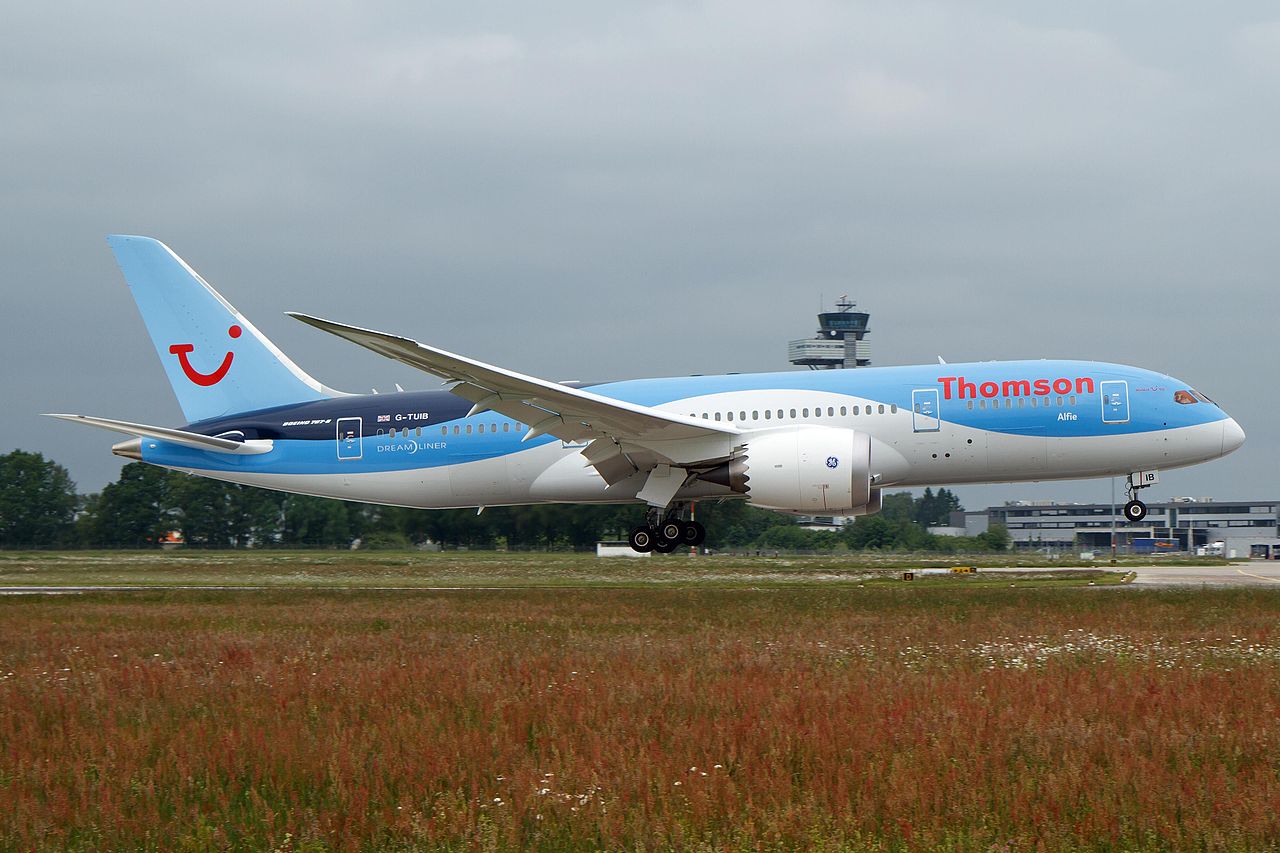
Thomson_Airways_Boeing_787
Thomson Airways Boeing 787 G-TUIB" by Björn from Niedersachsen /lower saxony - IMG_6739Uploaded by russavia. Licensed under Creative Commons Attribution-Share Alike 2.0 via Wikimedia Commons
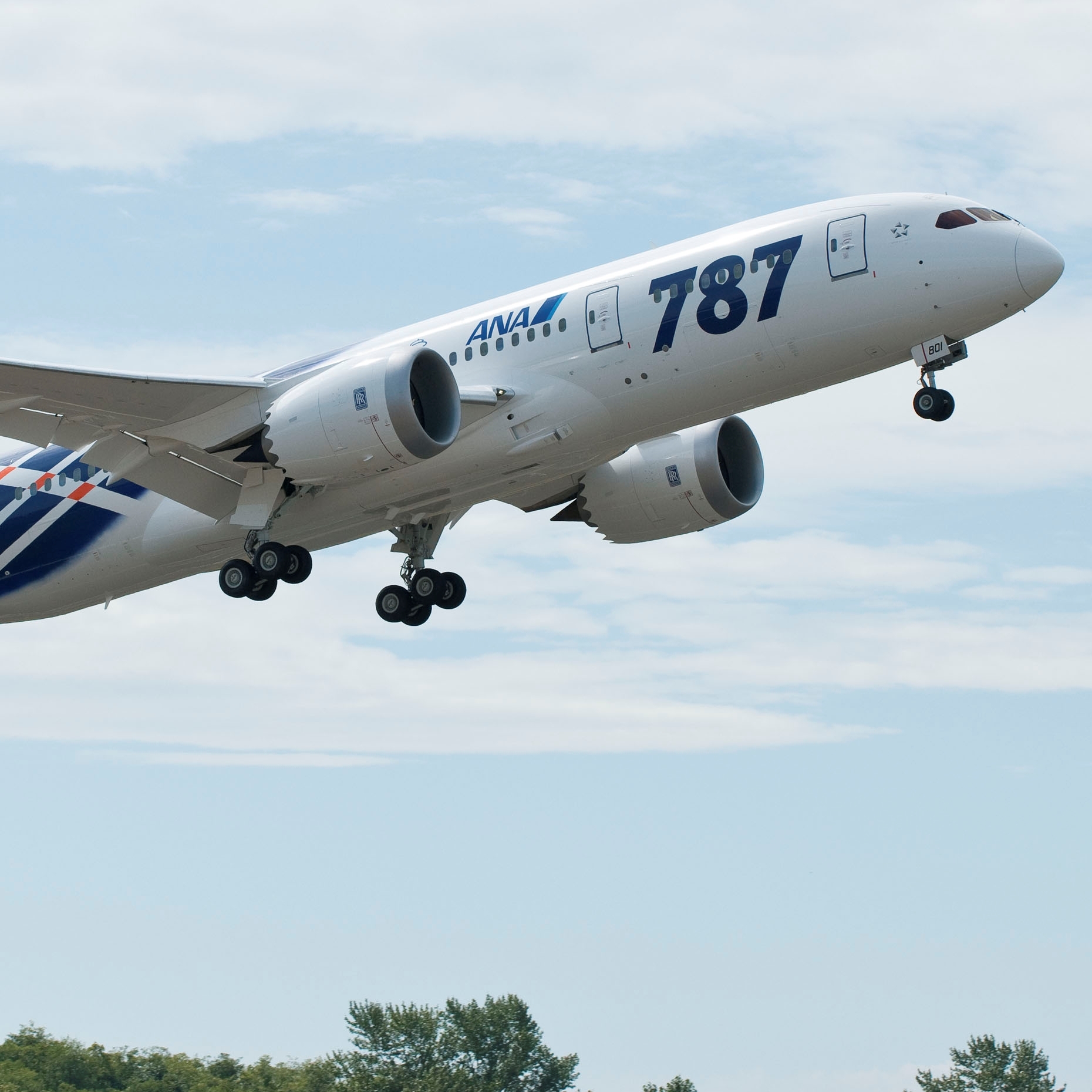
The pilot of a 787 Dreamliner was forced to shut down one of the plane’s two engines about one and a half hours into a scheduled nine-and-a-half hour flight from the Dominican Republic to Manchester, England. The plane, one of six 787-800s owned by Thomson Airways, made a safe emergency landing  in the Azores about four hours after the engine was shut down.

No explanation has been offered yet for the sudden engine failure, but this is a first for the aircraft since The Boeing Co. (NYSE: BA) delivered its first 787 in the fall of 2011. The plane entered production about four years late and cost the company about five-times the original $6 billion estimate. Thomson Airways was Boeing’s U.K. launch customer and received its first 787 in June of 2013.

The first major issue with the plane was a delamination of the composite skin on the plane’s fuselage. A more spectacular problem arose when a battery pack in a parked 787-800 ignited. The problems with the lithium-ion batteries appears to have been sorted out, but it caused a three-month ban on all 787 flights in early 2013.

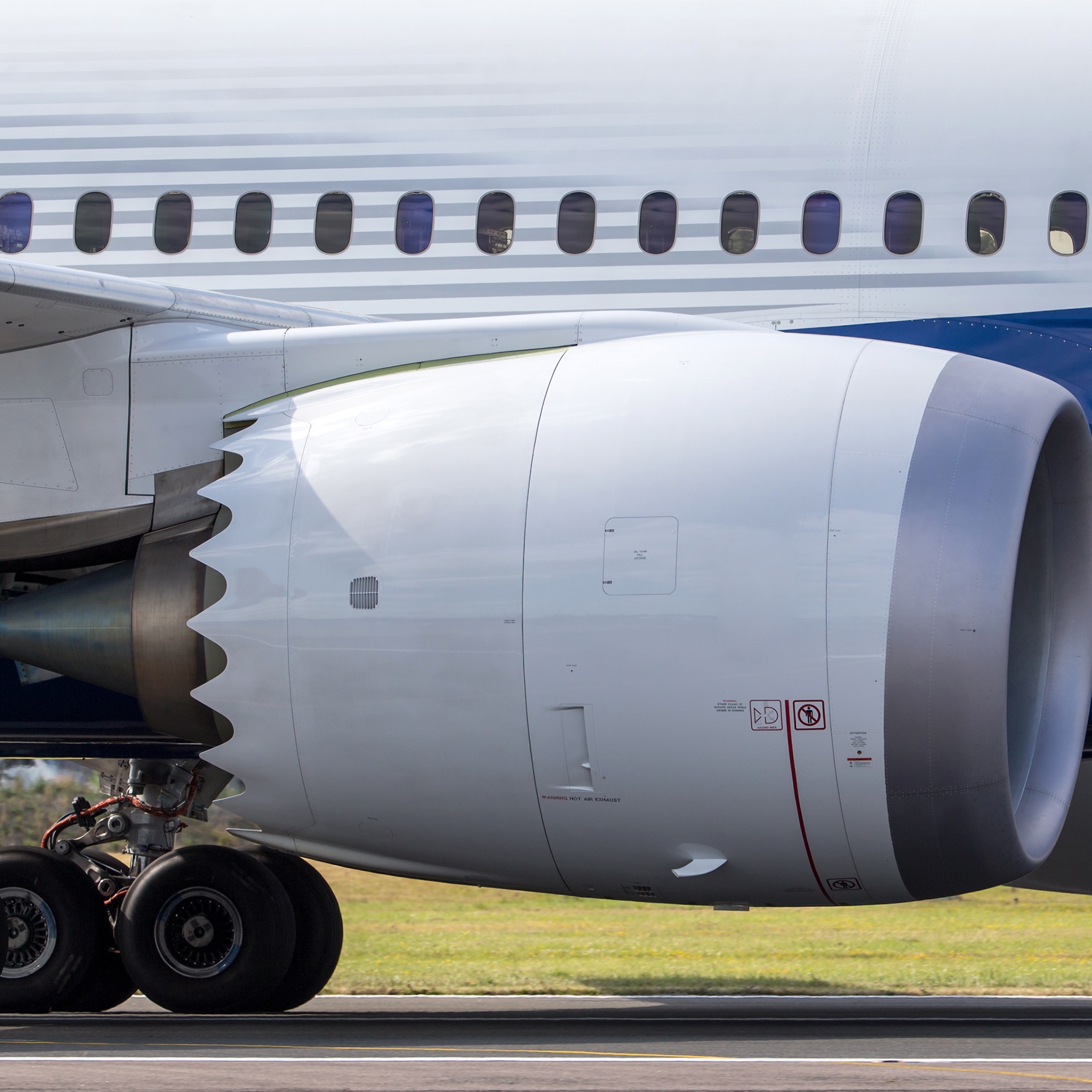
The General Electric Co. (NYSE: GE) built the GEnx-1B engines that are used on the Thomson 787-800 fleet. A different version of the engine, the GEnx-2B, is also used on Boeing’s latest version of its 747-8 jumbo jet. A series of incidents involving both engines caused the National Transportation Safety Board to have all the engines inspected in October of 2012.

While the engine loss gave the passengers a fright — one little girl asked her parents, “What if we don’t make it?” — modern airplane engines installed on two-engine planes like the 787 are designed to be able to complete their full flight from any point on the flight plan with just one operating engine. We’re sure that doesn’t make a passenger’s experience any less terrifying.


ALSO READ: Why a Boeing 787-9 Costs $250 Million

Photo of Paul Ausick
About the Author Paul Ausick →

Paul Ausick has been writing for a673b.bigscoots-temp.com for more than a decade. He has written extensively on investing in the energy, defense, and technology sectors. In a previous life, he wrote technical documentation and managed a marketing communications group in Silicon Valley.

He has a bachelor's degree in English from the University of Chicago and now lives in Montana, where he fishes for trout in the summer and stays inside during the winter.

Featured Reads

Our top personal finance-related articles today. Your wallet will thank you later.

Continue Reading

Top Gaining Stocks

CBOE Vol: 1,568,143
PSKY Vol: 12,285,993
STX Vol: 7,378,346
ORCL Vol: 26,317,675
DDOG Vol: 6,247,779

Top Losing Stocks

LKQ
LKQ Vol: 4,367,433
CLX Vol: 13,260,523
SYK Vol: 4,519,455
MHK Vol: 1,859,865
AMGN Vol: 3,818,618