U.S. Attacks on Drone Use May Trigger Trouble for Amazon

Photo of Douglas A. McIntyre
By Douglas A. McIntyre Published
This post may contain links from our sponsors and affiliates, and Flywheel Publishing may receive compensation for actions taken through them.

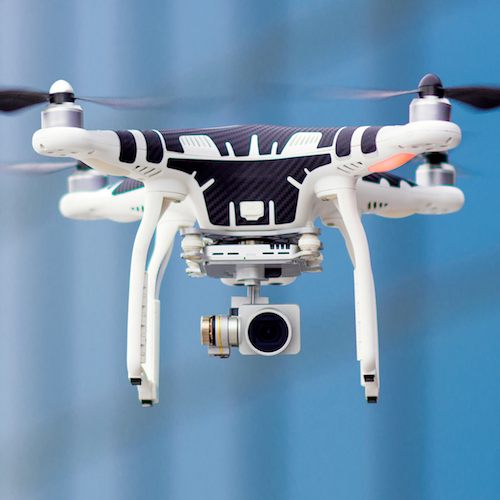
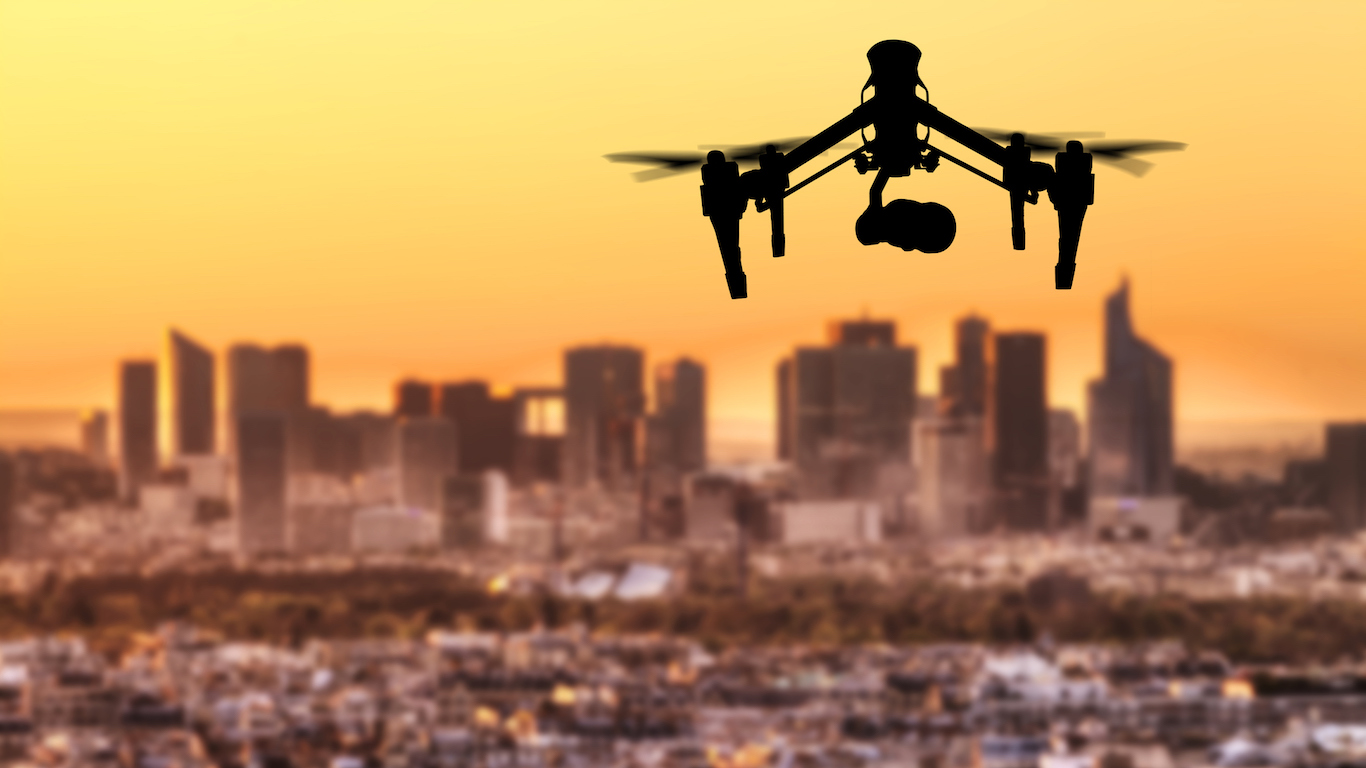
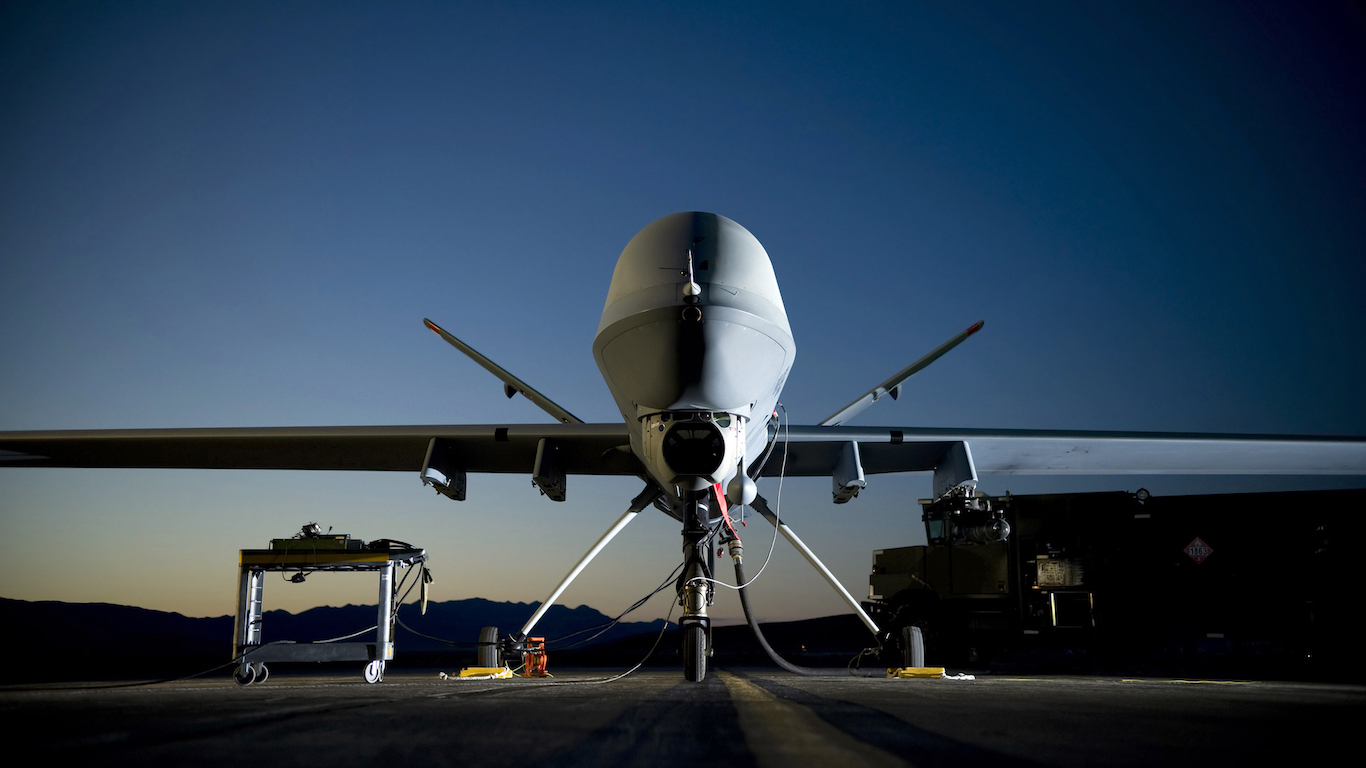
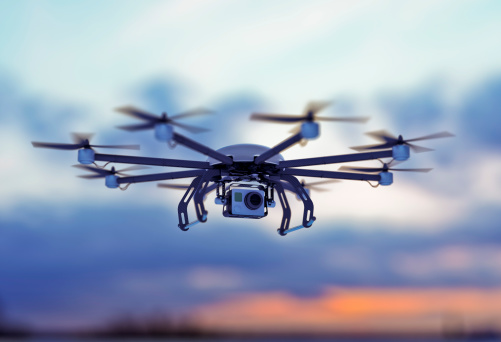
Unmanned drones are used by groups as widely dispersed as hobbyists who want to take videos of their neighborhoods to Amazon.com Inc. (NASDAQ: AMZN), which wants to use the machines to make deliveries. No matter what the use, it could be severely restricted by a ruling set by the National Transportation Safety Board (NTSB). Drones may not fly unregulated.

The case that will begin a clampdown in earnest concerned drone use by Raphael Pirker, who flew his machine over the campus of the University of Virginia in 2011. In its opinion on Pirker’s actions, NTSB officials said:

In reaching its decision, the Board determined the FAA may apply the regulation that prohibits operation of an aircraft in a careless or reckless manner to unmanned aircraft.

“Careless and reckless” are apparently open to interpretation. The Federal Aviation Administration (FAA) has already prohibited the use of most drones for commercial reasons. The NTSB decision reinforces that.

The drone business has expanded rapidly in the United States. The devices can be cheap and easily operated. The Verge recently pointed out that powerful drones are available for about $1,000. Whether the drones are used for personal reasons or commercial ones is not part of purchase restrictions. People make decisions one by one about how they will use the machines.

Amazon and other companies that want to use drones for commercial purposes need to worry about the NTSB action. Should it be supported by courts, the introduction of new services involving drones may be completely blocked.

As CBS reported recently:

Businesses large and small are also waiting for guidelines that will allow the use of unmanned aircraft to deliver packages and even food.

Regulation of drone activity may stay in limbo for a long while. In the meantime, what was a rapidly advancing new technology could have only the most modest future.


ALSO READ: America’s 50 Best Cities to Live

Photo of Douglas A. McIntyre
About the Author Douglas A. McIntyre →

Douglas A. McIntyre is the co-founder, chief executive officer and editor in chief of 24/7 Wall St. and 24/7 Tempo. He has held these jobs since 2006.

McIntyre has written thousands of articles for 24/7 Wall St. He is an expert on corporate finance, the automotive industry, media companies and international finance. He has edited articles on national demographics, sports, personal income and travel.

His work has been quoted or mentioned in The New York Times, The Wall Street Journal, Los Angeles Times, The Washington Post, NBC News, Time, The New Yorker, HuffPost USA Today, Business Insider, Yahoo, AOL, MarketWatch, The Atlantic, Bloomberg, New York Post, Chicago Tribune, Forbes, The Guardian and many other major publications. McIntyre has been a guest on CNBC, the BBC and television and radio stations across the country.

A magna cum laude graduate of Harvard College, McIntyre also was president of The Harvard Advocate. Founded in 1866, the Advocate is the oldest college publication in the United States.

TheStreet.com, Comps.com and Edgar Online are some of the public companies for which McIntyre served on the board of directors. He was a Vicinity Corporation board member when the company was sold to Microsoft in 2002. He served on the audit committees of some of these companies.

McIntyre has been the CEO of FutureSource, a provider of trading terminals and news to commodities and futures traders. He was president of Switchboard, the online phone directory company. He served as chairman and CEO of On2 Technologies, the video compression company that provided video compression software for Adobe’s Flash. Google bought On2 in 2009.

Continue Reading

Top Gaining Stocks

CBOE Vol: 1,568,143
PSKY Vol: 12,285,993
STX Vol: 7,378,346
ORCL Vol: 26,317,675
DDOG Vol: 6,247,779

Top Losing Stocks

LKQ
LKQ Vol: 4,367,433
CLX Vol: 13,260,523
SYK Vol: 4,519,455
MHK Vol: 1,859,865
AMGN Vol: 3,818,618