


Boeing announced last week that the company would take an after-tax charge of $536 million ($0.77 per share) in the quarter related to higher costs in the company’s KC-46A tanker program for the U.S. Air Force. As a result, the company has lowered its full-year adjusted EPS guidance from a prior range of $8.20 to $8.40 to a new range of $7.70 to $7.90 per share. The company said strong performance offset $0.27 of the full-year $0.77 per share cut.
Operating cash flow in the second quarter totaled $3.3 billion, up from $1.81 billion in the same quarter a year ago. For the first half of the year, Boeing’ operating cash flow totaled $3.39 billion. For the company to reach its target of $9 billion will take some magic in the last half of the year.
ALSO READ: FedEx Places $10 Billion Order for Boeing Freighters
During the quarter, the company repurchased 14 million shares for $2 billion, leaving $7.5 billion remaining in the current buyback program, which is expected to be completed over approximately the next two years. The company also paid $600 million in dividends in the quarter, an increase of about 25% compared to the same period last year.
Boeing delivered 197 new commercial aircraft in the second quarter and took orders for a net 171 more planes. Operating margin dropped to 7.1% from 10.8% compared with the first quarter a year ago, due to the apportioning of $513 million pretax charge to the commercial division for the KC-46A delays. Earnings from commercial aircraft sales fell by 22% in the quarter.
The commercial aircraft backlog totals nearly 5,700 airplanes with a value of $431 billion.
In addition to the cut to EPS guidance resulting from the $536 million charge, Boeing also lowered its guidance for the commercial division’s operating margin from a prior range of 9.5% to 10.0% to a new level of about 9.0%. The full-year cash flow projection has remained at $9 billion. Operating margin guidance in the defense and space division was lowered from a range of 9.75% to 10.0% to a new level of about 9.5%.
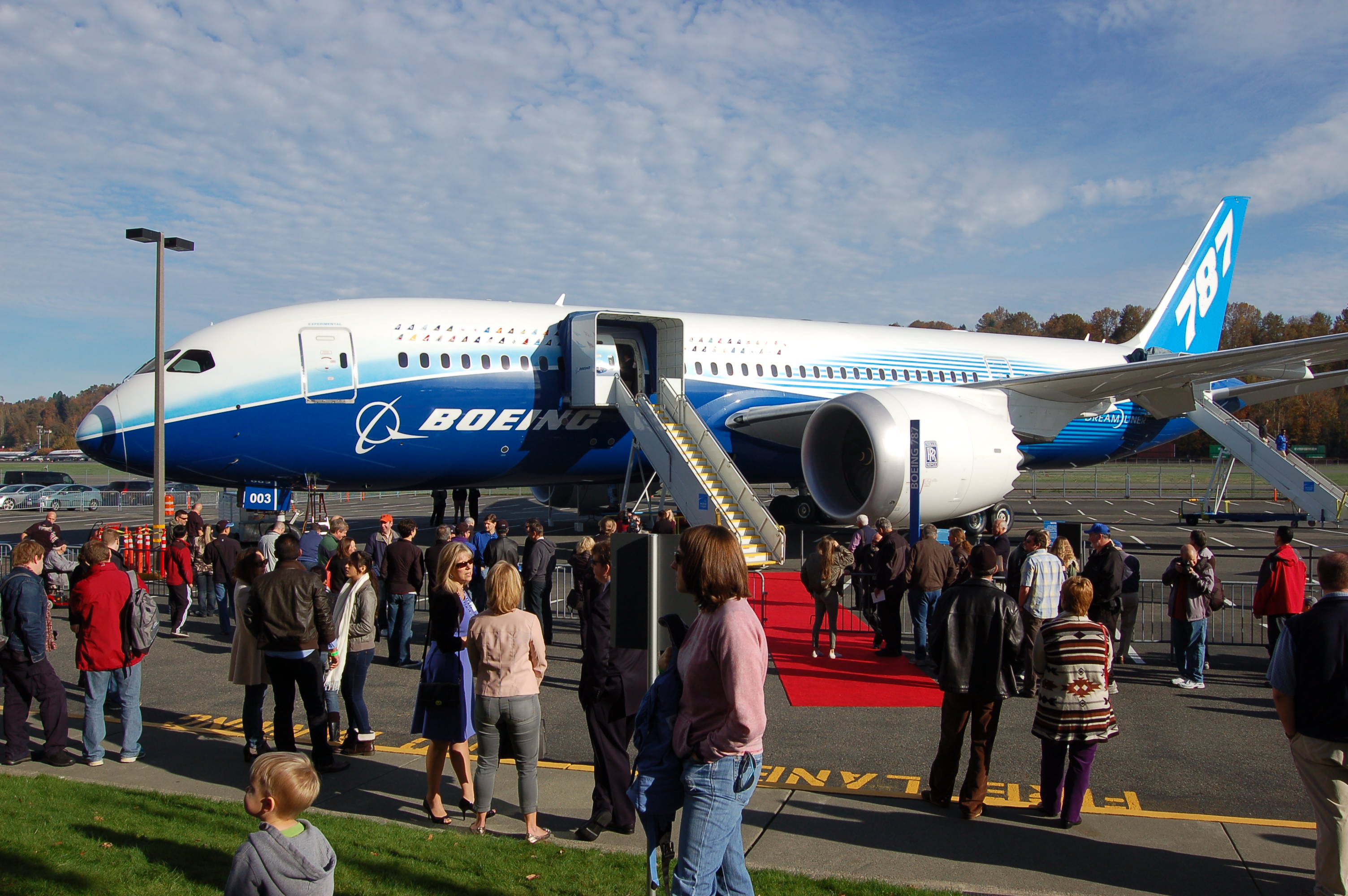
Boeing’s deferred production costs appear to have declined from around $29 billion in the second quarter of 2014 to about $26 billion, but that is based on a quick look at the financial statements. Boeing usually gets asked about this number on its conference call because analysts are always curious to know when the company will begin posting a profit on the sale of the 787. More on this later.
ALSO READ: 4 Top Integrated Device Chip Makers to Buy Now
Boeing’s shares traded up about 1.8% in premarket trading Wednesday, at $147.66 in a 52-week range of $116.32 to $158.83. The consensus target price for the shares was $163.55 before the report.









 Top Gaining Stocks
 Top Losing Stocks