


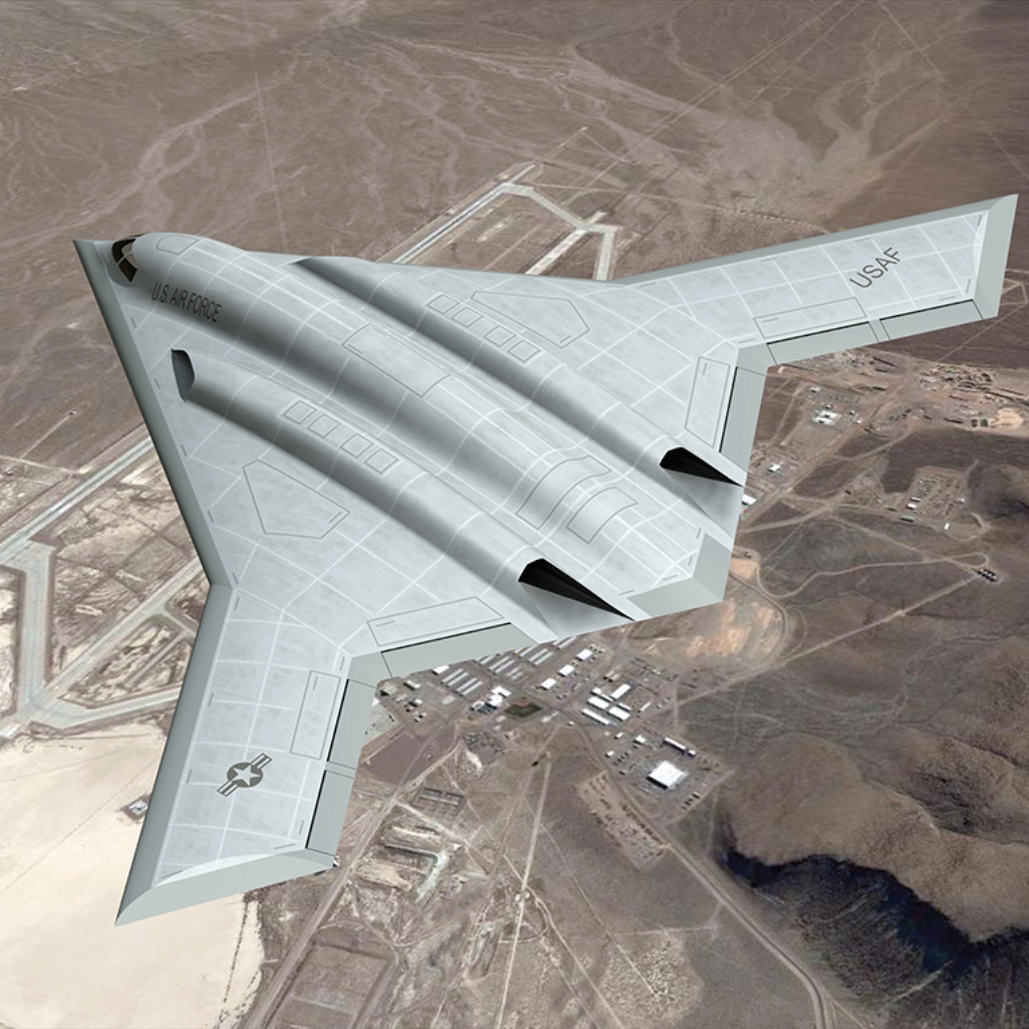
When Northrop Grumman Corp. (NYSE: NOC) won the U.S. Air Force contract to build the nation’s Long-Range Strike-Bomber (LRS-B), the losing bidders wasted no time protesting the award. Boeing Co. (NYSE: BA) and Lockheed Martin Corp. (NYSE: LMT) started the clock running on the 100-day protest period within seven days.
In their announcement of the protest, the two companies said:
The cost evaluation performed by the government did not properly reward the contractors’ proposals to break the upward-spiraling historical cost curves of defense acquisitions, or properly evaluate the relative or comparative risk of the competitors’ ability to perform, as required by the solicitation. That flawed evaluation led to the selection of Northrop Grumman over the industry-leading team of Boeing and Lockheed Martin, whose proposal offers the government and the warfighter the best possible [Long Range Strike-Bomber] LRS-B at a cost that uniquely defies the prohibitively expensive trends of the nation’s past defense acquisitions.
The cost evaluation that Boeing and Lockheed refer to is the Air Force’s decision to double the cost of the two bids to reflect the cost overruns experienced by Northrop some 20 years ago in developing the current B-2 bomber. The contract to build the B-2 stealth bomber originally called for 100 of the planes but the total was cut to 21 as the cost of the B-2 rose to more than $2 billion per copy. The Air Force doubled the bids based on the principle that history is the best predictor of future performance.
ALSO READ: Merrill Lynch Has 5 Blue Chips That Lagged This Year to Buy for 2016
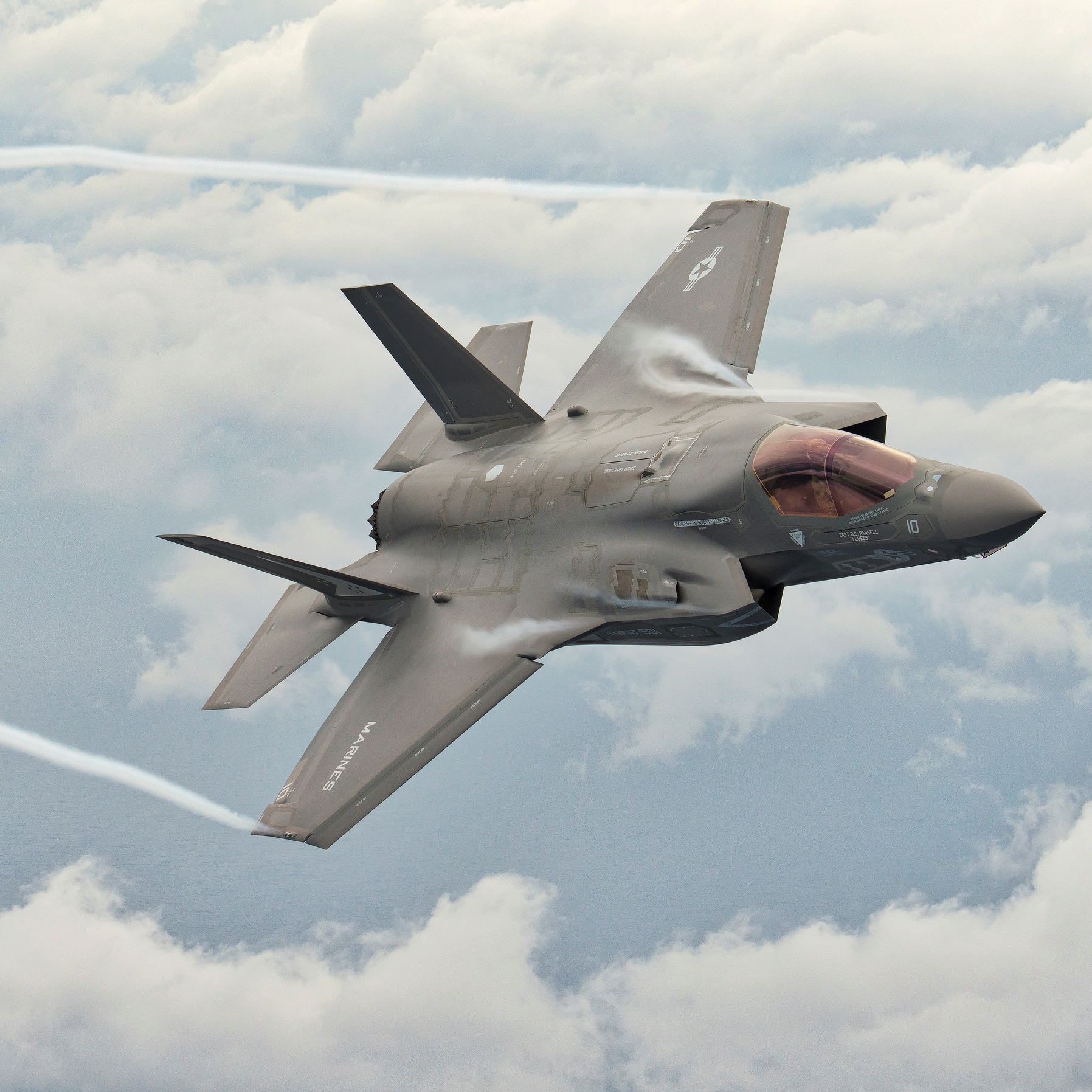
But was that fair? Boeing and Lockheed think not, and argue that by inflating the cost of development to $21.4 billion the Air Force has assumed all the cost-overrun risk. That decision obviated any positive impact from Boeing’s new (and secretive) Black Diamond manufacturing technology, which is squarely aimed at cutting production costs. Neither did Lockheed score any points for its cost improvements in delivering successive lots of the F-35 fighter plane.
Boeing and Lockheed believe they should get more credit for these innovations and initiatives. As Anand Datla notes in Breaking Defense, though, what exactly is on offer:
Boeing complaints that the Air Force unfairly penalized their bid on cost contradict reality. The KC-46 and 787 development programs priced out at double what Boeing originally estimated, experiencing costly delays owing to technical challenges and mismanagement. And Boeing proposals to wave away these unfavorable historical cost data with reference to a mysterious and untested “Black Diamond” manufacturing concept are unlikely to be convincing. In such competitions, the Air Force must rely on demonstrated competencies and past performance, not on unproven theories.
Not everyone agrees. Loren Thompson wrote in Forbes soon after the protest was announced:
The bottom line here is that the Air Force has not gotten a good deal for taxpayers or warfighters. It will pay much more for the bomber than it needed to, and there are huge risks associated with the outcome that nearly guarantee the plane will not be delivered on time [if Northrop Grumman prevails].
The Government Accountability Office (GAO) has another 60 days or so to review the protest and issue an opinion. Stay tuned.
ALSO READ: 5 Top Dividend Hikes Expected Before the End of 2015






 Top Gaining Stocks
 Top Losing Stocks