


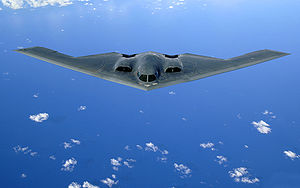
Last year the U.S. Air Force estimated a 10-year (fiscal 2015 to fiscal 2024) cost of $33.1 billion for the program. The 10-year cost for fiscal 2016 to fiscal 2025 is now estimated at $58.2 billion, and Speier thinks that the increase warrants an explanation. Here is a portion of her letter to James, as cited by Defense News:
This sudden 76 percent increase in estimated cost is alarming, because it raises questions about the management of a crucial program that lacks transparency, on which we cannot afford serious cost overruns, development errors, and reduced production numbers that would deprive the United States of one of its core military capabilities. … The Defense Department has promised that the LRS-B would be produced at a fixed price of $500 million per plane, but these reports suggest we should be concerned about the reliability of that promise.
ALSO READ: Top 10 US Defense Contractors
An Air Force spokesman said on Monday that the true cost estimate for both years should have been $41.7 billion. Air Force spokesman told Breaking Defense in an email that both 10-year estimates in the two reports were incorrect and that “the program costs have remained stable,” presumably at $41.7 billion.
The LRS-B is the last of three major Air Force programs lacking a final decision on the contract winner. The current plan calls for the Air Force to buy 80 to 100 of the bombers, which values the purchase portion of the contract at $40 billion to $50 billion. Parts and maintenance would be negotiated and added later.
The KC-46A tanker program, valued at around $100 billion over the lifetime of the plane, went to Boeing Co. (NYSE: BA) and the Joint Strike Fighter program was awarded to Lockheed Martin Corp. (NYSE: LMT). Both are well beyond their original budget, although federal government exposure to the cost overruns are limited by the terms of the contract, at least in the case of the tanker program.
The last new bomber delivered to the Air Force was the B-2, designed and built by Northrop Grumman Corp. (NYSE: NOC), and Congresswoman Speier referred to that in one of six questions she wants an answer for: “Given that the B-2 program faced extensive cost overruns after being developed in secret, how much do you envision declassifying once the LRS-B contract is ultimately awarded?” To say that Speier, and probably other U.S. Representatives, are miffed by the Air Force’s tight-lipped attitude about the B-3 ignores a lot of history related to congressional oversight of the Air Force weapons programs.
Boeing and Lockheed have teamed up to bid for the LRS-B contract and are competing against Northrop Grumman. The contract was targeted to be awarded this month, but the award reportedly has been pushed out as far as October with no explanation.
ALSO READ: Is the US Air Force Looking for Another All-New Airplane?
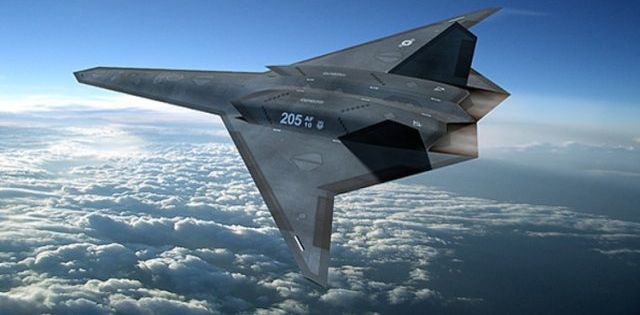
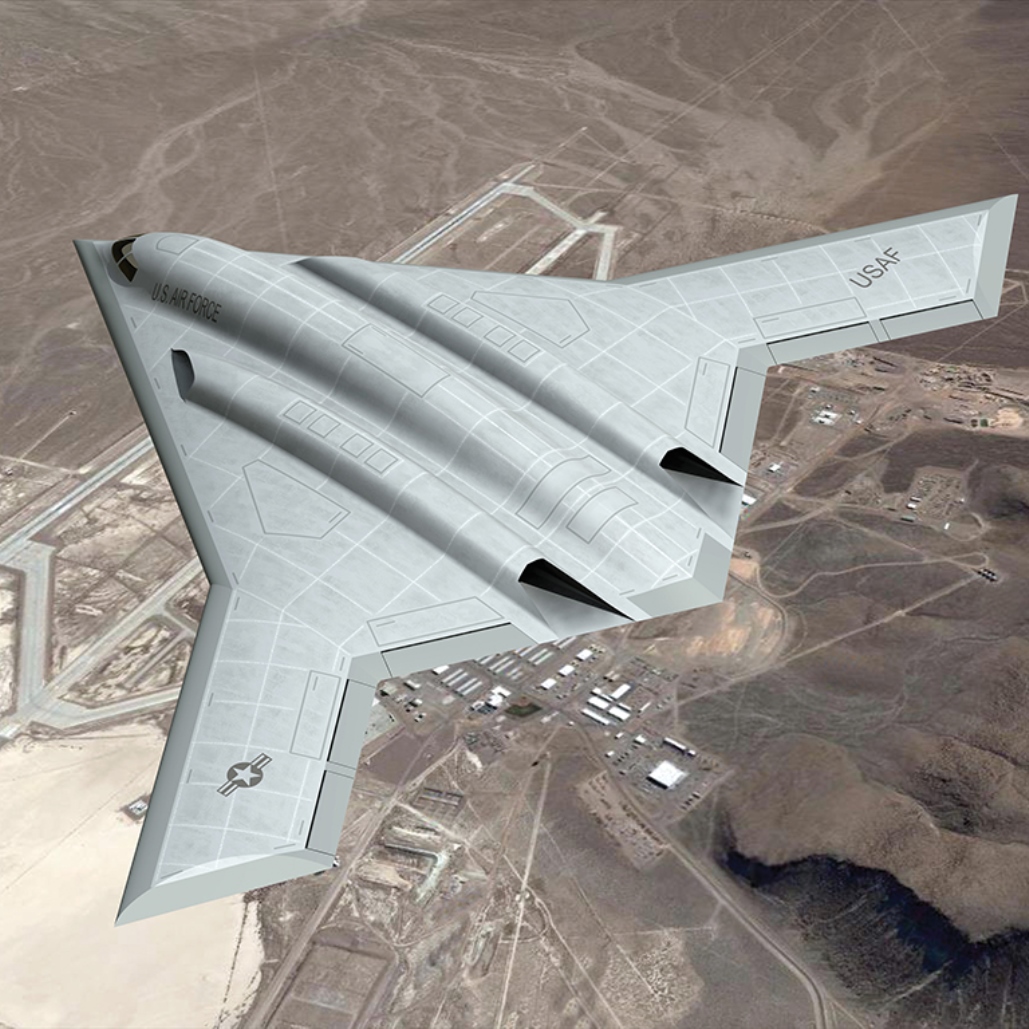
Here is a concept drawing of the Boeing-Lockheed B-3 design:
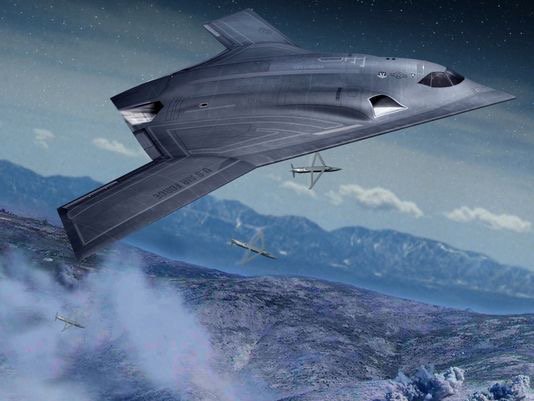
Here is the Northrop Grumman concept:





 Top Gaining Stocks
 Top Losing Stocks