


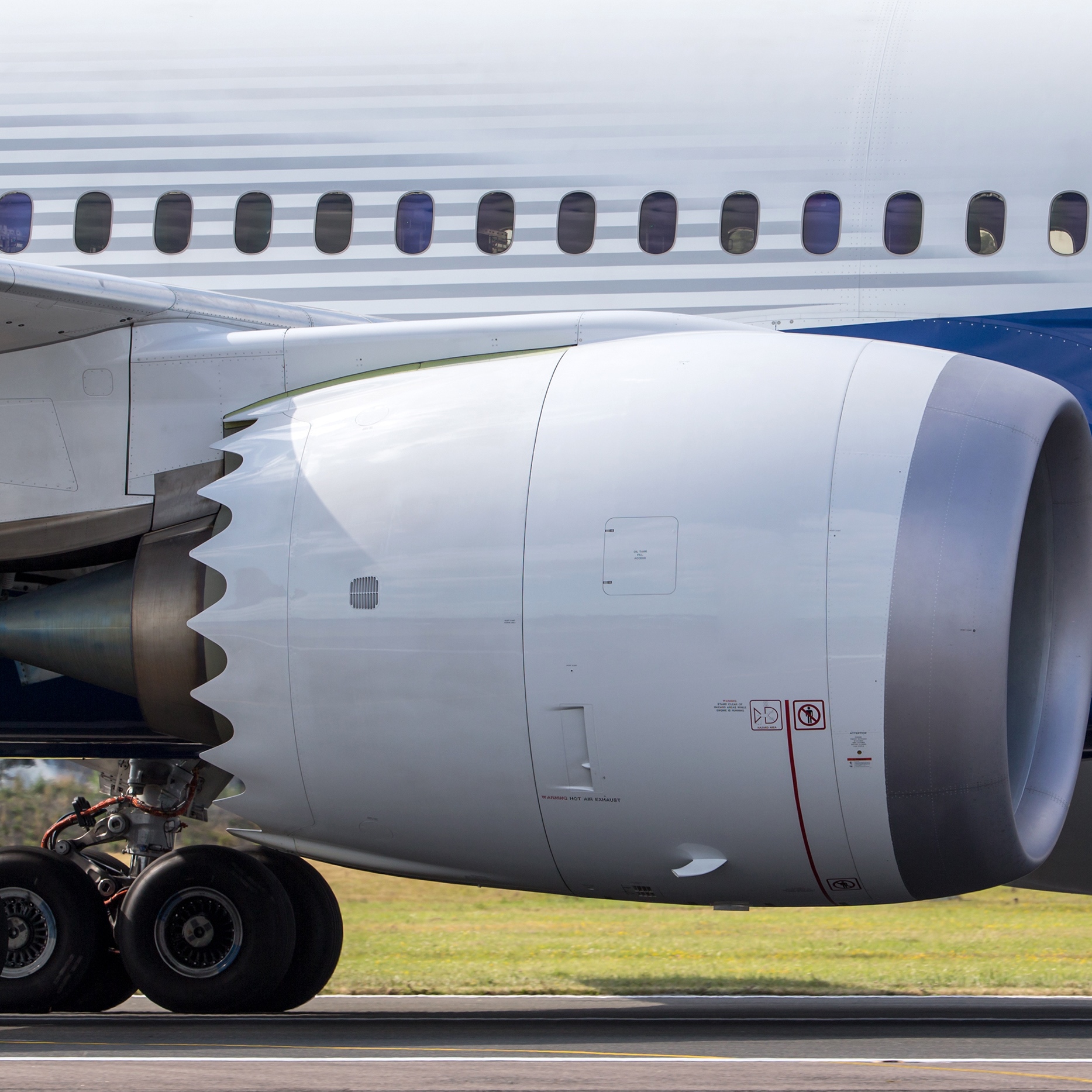
Shares of Boeing Co. (NYSE: BA) ran into a stiff headwind Thursday morning following a report from Bloomberg that the U.S. Securities and Exchange Commission (SEC) is investigating a whistleblower complaint regarding the way Boeing accounts for its new airplanes. Boeing uses a form of financial reporting known as program accounting that allows the company to defer the massive costs of developing and building new planes.
On its website, Boeing provides a comparison of its earnings from operations based on its program accounting reporting with a company-defined unit cost accounting method:
The basic difference between unit-cost based accounting and program accounting is that unit cost accounting determines cost of sales based on a more discrete costing of the individual airplane while program accounting determines cost of sales based on the average profitability over the airplane program accounting quantity. Unit cost accounting records cost of sales based on the cost of specific units delivered, and to the extent that inventoriable costs exceed estimated revenues, a loss is not recognized until delivery is made.
By the Boeing data, earnings from operations in 2015 under the program accounting method totaled $5.157 billion. Under the unit cost method, earnings from operation would have totaled $2.669 billion.
[recirclink id=314130]
According to the latest report from Boeing, deferred production costs totaled $28.51 billion on the 787 program at the end of December 2015. Another $3.89 billion remains to be paid off on unamortized tooling and other non-recurring costs.
The whistleblower complaint, according to Bloomberg’s unnamed source, “centers on projections Boeing made about the long-term profitability for the 787 Dreamliner and the 747 jumbo aircraft.”
Program accounting is fully compliant with GAAP standards, which require Boeing to estimate its profits for the duration of the 787 program as well as its costs. The unidentified whistleblower is challenging, with documents, Boeing’s estimates of future sales of the 787.
He or she is not alone. Some analysts have wondered for a few years now if Boeing will ever turn a profit on the 787. That’s why Boeing’s stock took such a hit Thursday, even though neither the SEC nor Boeing will acknowledge an investigation.
In mid-afternoon action Thursday, Boeing stock traded down 9.8% at $104.97, after posting a new 52-week low of $102.10 earlier. More than 25 million shares had been traded so far, about five times the average daily volume.








 Top Gaining Stocks
 Top Losing Stocks