


After markets closed on Thursday, Boeing Co. (NYSE: BA) announced that after-tax charges totaling $2.05 billion would be taken in the second quarter, reducing earnings by a total of $3.23 per share. Current consensus estimates for the quarter call for adjusted earnings per share of $2.06.
On a pretax basis, the commercial airplanes segment will now record an earnings impact totaling $2.78 billion, and the military aircraft segment of the company’s defense, space and security division will report an earnings impact of $219 million.
None of these announced charges is a particular surprise — Boeing was going to have to say something sooner or later. Whether Thursday’s announcement was sooner or later depends on your point of view. Aerospace analyst Richard Aboulafia told Reuters, “[Boeing is] starting to deal with the problems that have been in the works for some time now.”
The first step in a recovery program is admitting that you have a problem, and Thursday’s announcement indicates that Boeing might be on the path of being more transparent about its business.
[nativounit]
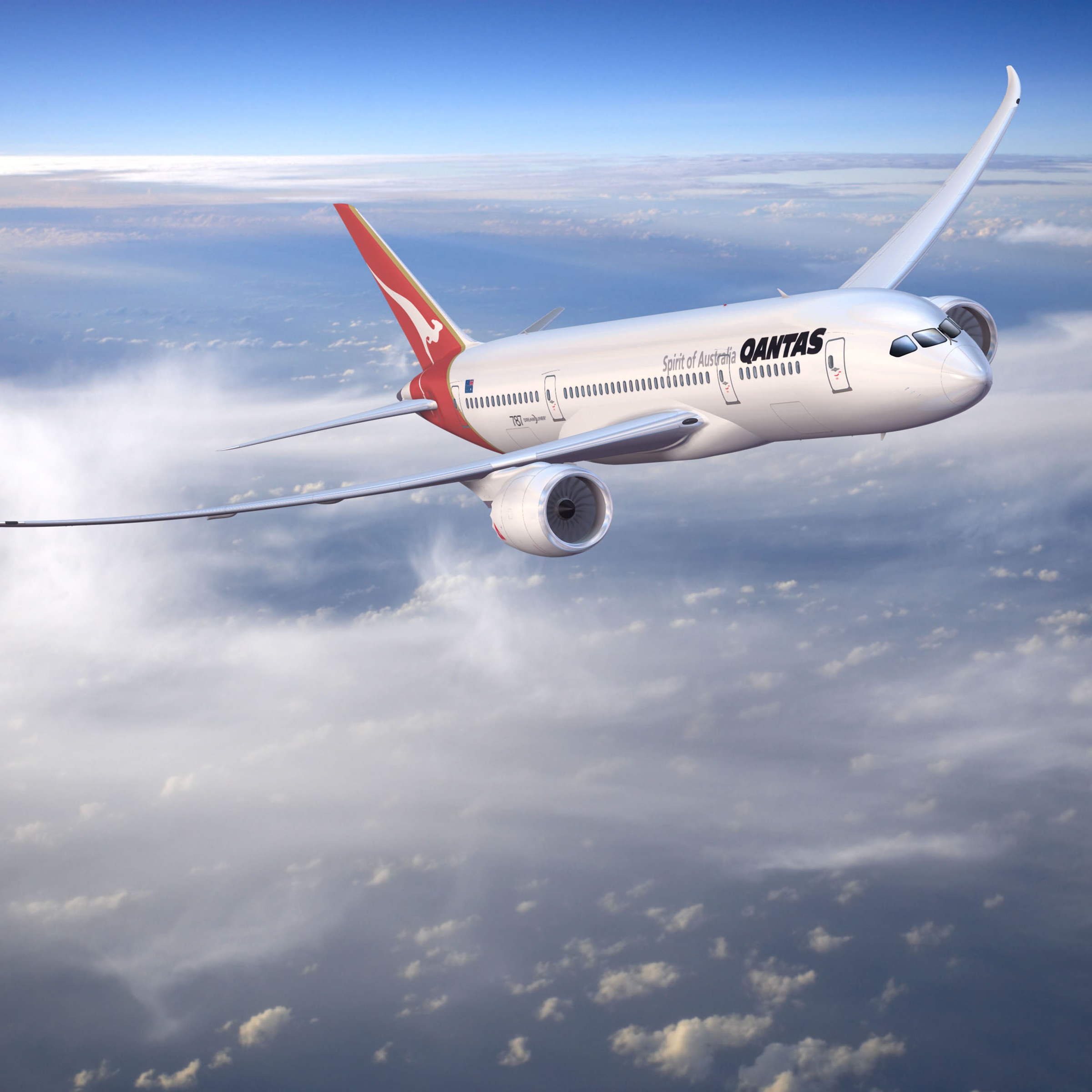
Perhaps Boeing’s biggest problem is deferred production costs on the 787 program. The company has run up nearly $30 billion in costs that must be repaid as each 787 is sold. The company removed 847 million after-tax dollars from the deferred costs line and moved them to an R&D expense line. While $847 million is real money, it represents less than 3% of Boeing’s total deferred costs.
The 787s that were written off were two of six preproduction planes. The company has said that it still expects the 787 program to be profitable on planned sales of 1,300 of the planes. Through June, Boeing’s 787 order total stands at 1,155, but year-to-date orders total just 19.
The $814 million charge against the 747-8 program essentially leaves the production rate of the company’s largest aircraft at six per year indefinitely. This ought to be Boeing’s last adjustment to the 747-8 program.
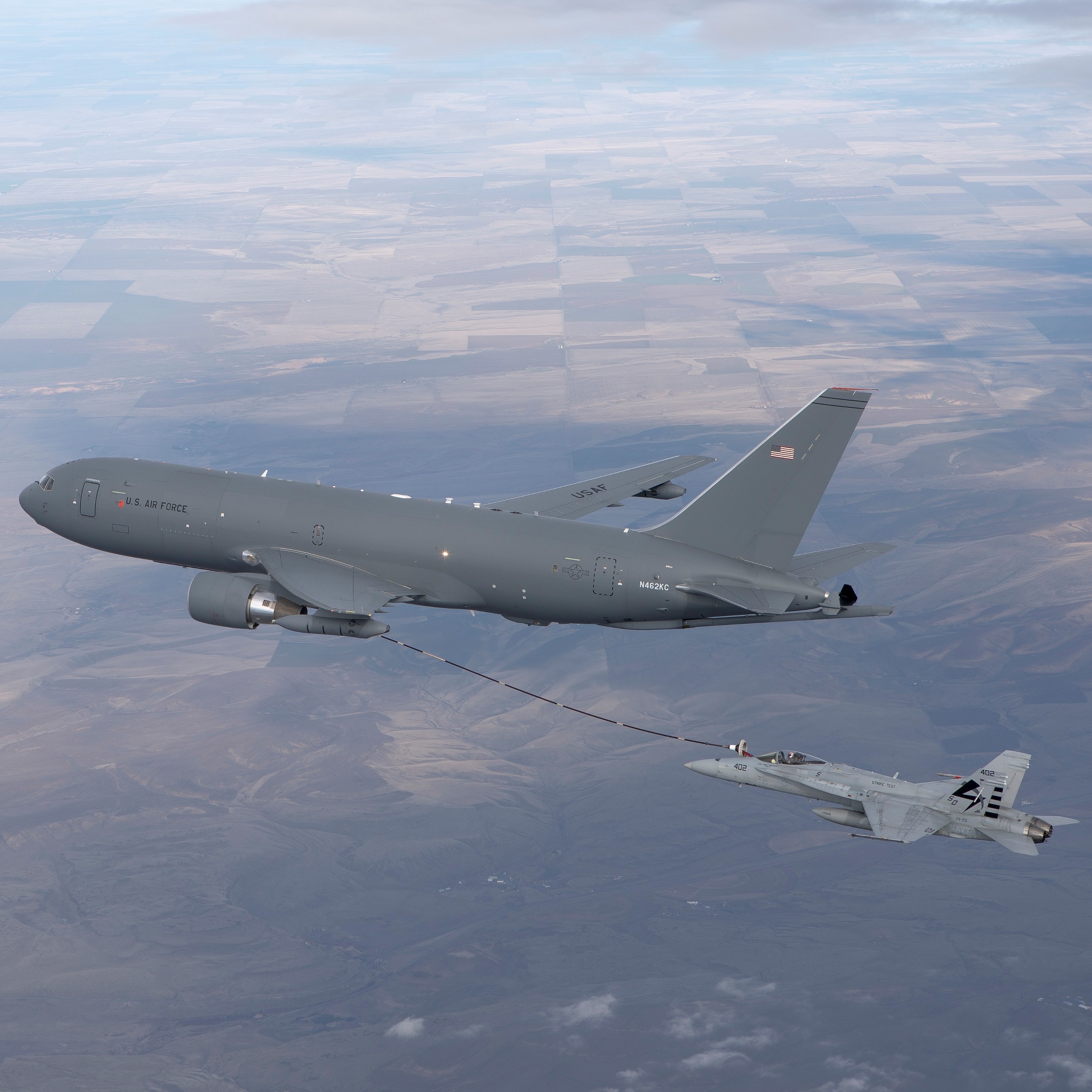
The $393 million charge to the KC-46A Air Force tanker program was only surprising in that it was below analyst estimates of $500 million. The new tanker has now passed all its tests and the company can seek Air Force approval to proceed with building the first 19 planes to be delivered on the contract.
Boeing said that the charges will have no impact on its current 2016 revenue or cash guidance, but that the company will update earnings per share guidance next week when it reports second-quarter results.
The stock traded down about 1.5% in Friday’s premarket session at $131.50, after closing at $133.53 on Thursday. The stock’s 52-week range is $102.10 to $150.59, and the consensus price target on the shares is $145.81.
[wallst_email_signup]








 Top Gaining Stocks
 Top Losing Stocks