


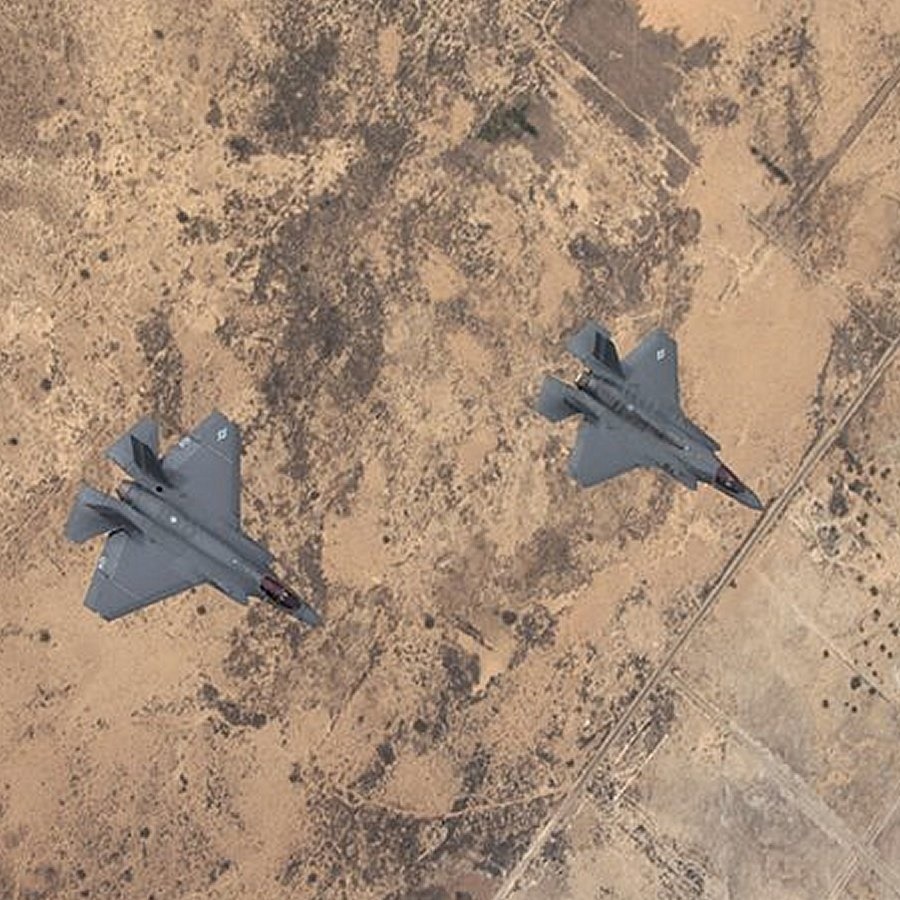
[cnxvideo id=”625473″ placement=”ros”]The Federal Procurement Data System puts out a list of the 100 largest government contractors each year. Lockheed Martin Corp. (NYSE: LMT), already targeted by Donald Trump over the costs of the F-35 fighter, is a huge target. With $36.9 billion of federal government contracts called “obligations,” Lockheed Martin has more than double the exposure of the second place company, Boeing Co. (NYSE: BA), at $16.6 billion. On the other hand, Senator John McCain has proposed that the defense budget rise to $640 billion, a huge jump from previous years.
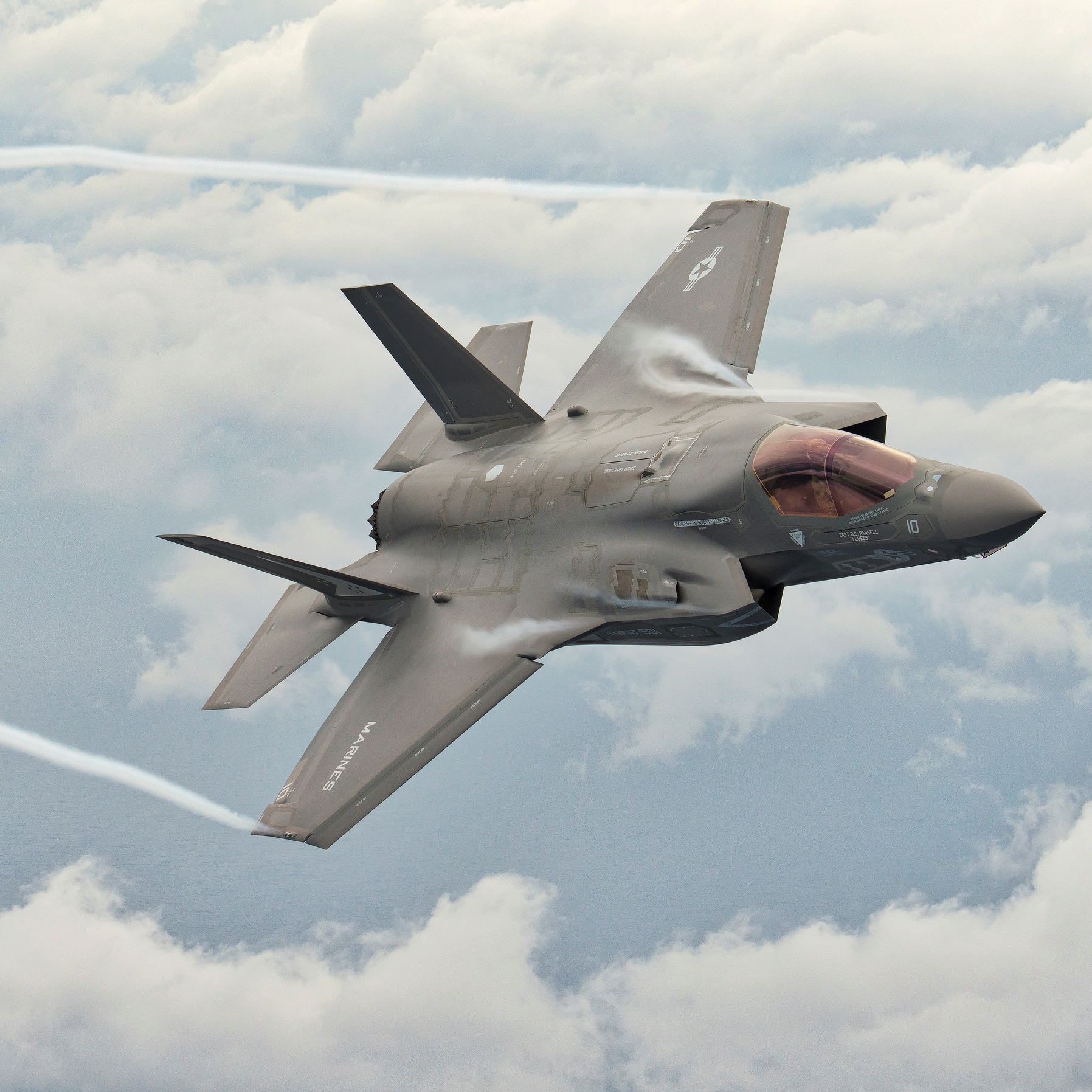
Trump not only wants to cut the price of the F-35 program as much as 10%, Roger Carr, chairman of BAE Systems, told Bloomberg. The total cost of the program is $379 billion, so almost $40 billion is at risk, a large portion of which would go to Lockheed Martin. Worse, problems with the aircraft have delayed the date when it will be ready. McCain, Congress’s champion of higher military spending, also has savaged the lack of success of the F-35 program.
Trump’s love of negotiation with government contractors, which has extended as far at Boeing’s Air Force One program, has special risks for Lockheed Martin. It is the primary builder for the Littoral Combat Ship, the next generation Navy combat program. It has been plagued by problems, which are just the kind of trouble Trump targets for criticism.
Lockheed Martin also makes unmanned drones for the government, as well as missile defense systems and radar.
[nativounit]
On a positive note, as the largest government contractor and a military procurement behemoth, Lockheed Martin would get a boost from a higher defense budget. McCain chairs the Armed Services Committee. In a recent report, the committee suggested that spending increase across all four branches of the military, as well as special forces. Among the list of things the federal government must do quickly, according to the report:
A second priority is regaining capacity for our military, which does not have enough ships, aircraft, vehicles, munitions, equipment, and personnel to perform its current missions at acceptable levels of risk. To be clear, adding capacity alone is not the answer, and any capacity that we do add, especially personnel, must be done deliberately and sustainably. That said, as numerous think tanks and independent panels have recommended, each military service needs more capacity. How much more is a question that the next Secretary of Defense must resolve together with Congress. Whatever the answer, regaining capacity will require a multi-year effort and likely will not be achieved over the next five years. We should therefore begin growing the size of our military quickly and responsibly while refining our ultimate end-strength goals based on a revised defense strategy,
Given the size and scope of Lockheed Martin in its role as military contractor, it is impossible that some large portion of this investment will not substantially help its sales.
McCain may not like the F-35 program, but he could be the catalyst for a boom in Lockheed Martin sales.
[wallst_email_signup]











 Top Gaining Stocks
 Top Losing Stocks