


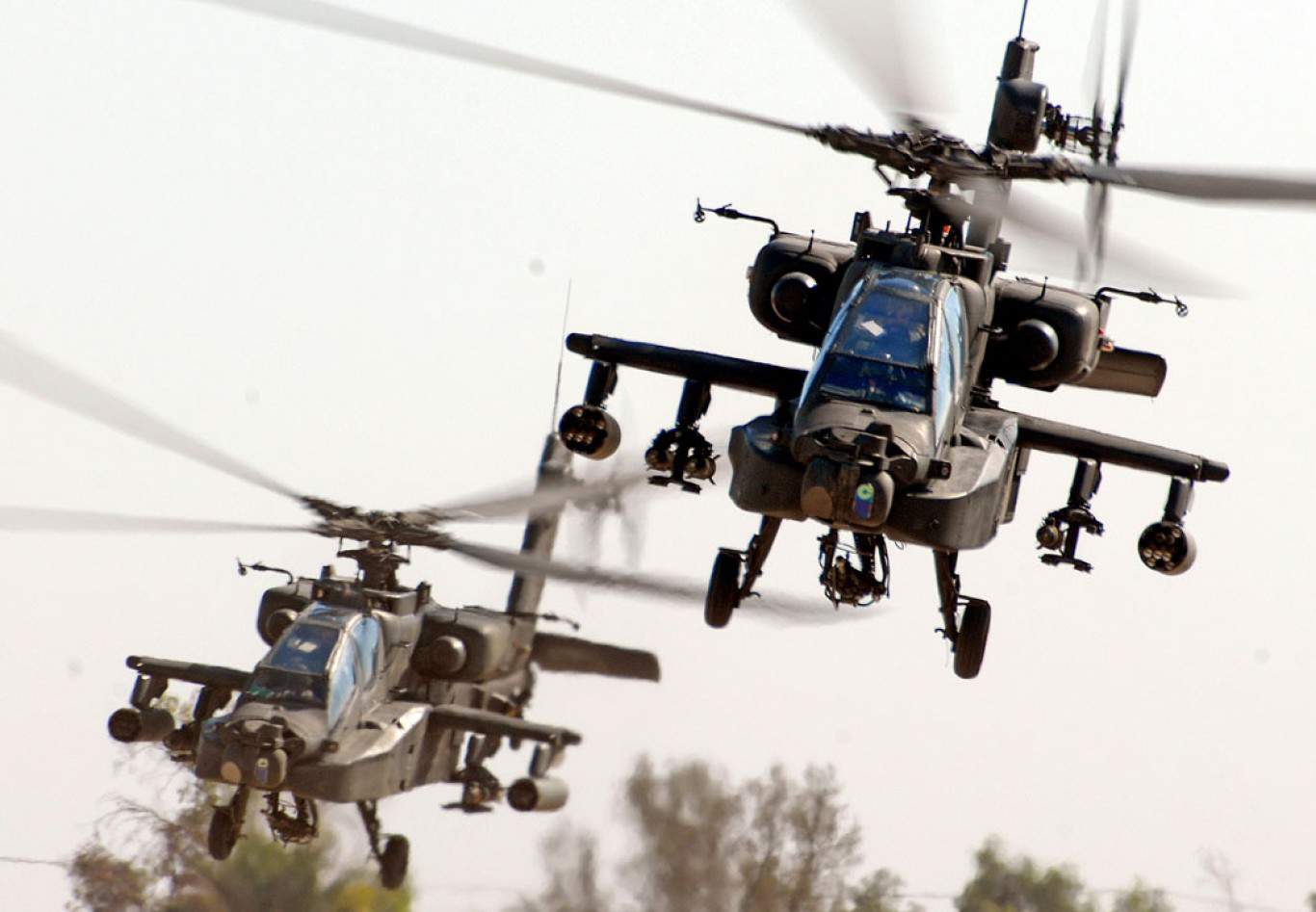
Tracing its roots back to 1775, over a year before the Declaration of Independence was signed, the U.S. Army is the oldest American military service branch. With more than 356,500 enlisted service men and women and nearly 92,800 officers, the Army is also the largest military branch in the United States, accounting for 35% of all active-duty troops, according to the Defense Department’s 2023 Demographics Profile report.
Like the U.S. Air Force, Marine Corps, and Navy, the Army serves a specific and critical military purpose. Largely through ground-based operations, the Army is responsible for defending American soil, as well as capturing and holding territory in expeditionary combat operations. As a result, the Army is equipped to conduct full-spectrum warfare both in and from occupied territory over a sustained period.
Despite its size and importance, however, the Army does not receive the same level of federal funding as other major military branches. According to the Defense Department’s fiscal 2026 budget request, U.S. Army weapons programs have been allocated $43.8 billion in combined spending for research, development, and procurement. Meanwhile, the U.S. Air Force and Navy are slated to receive $158.9 billion and $124.5 billion, respectively, for the same purposes.
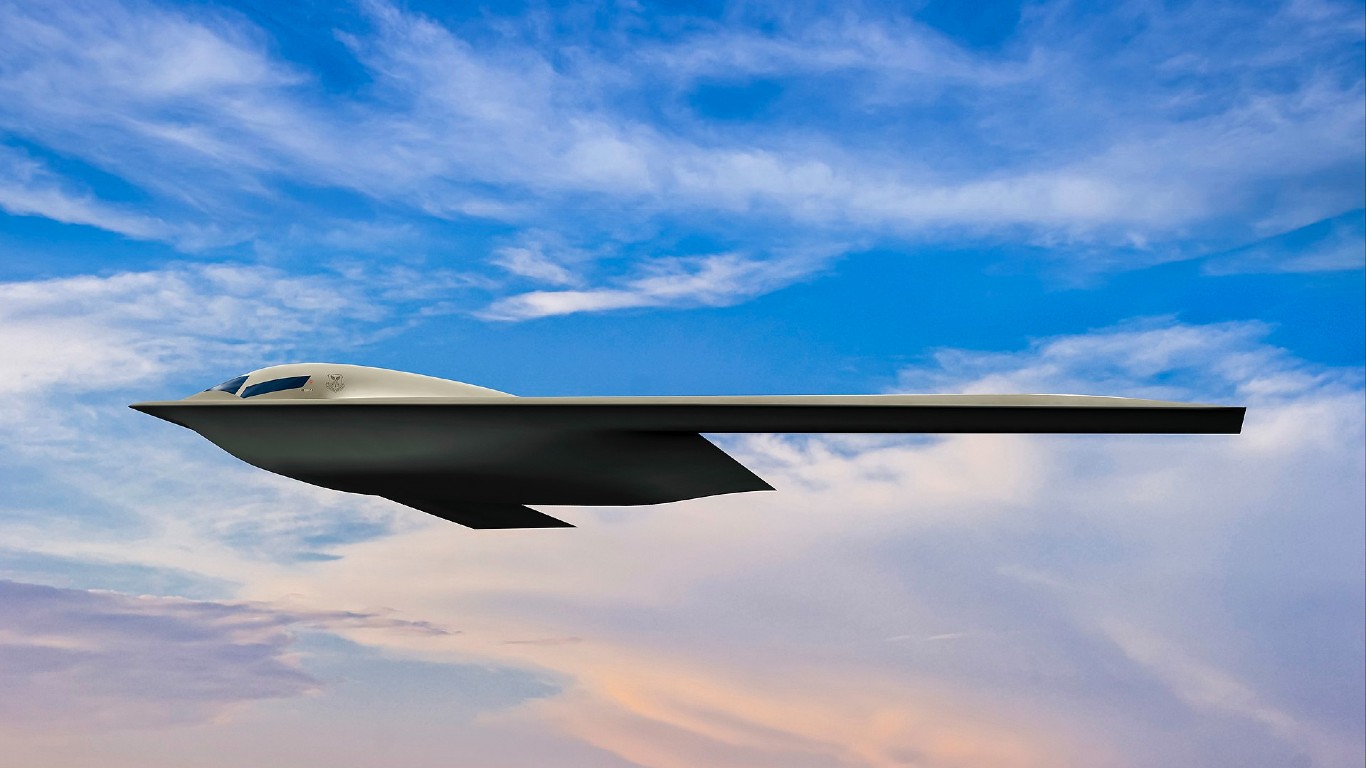
The significant gap in weapons funding between the Army and the Air Force and Navy is largely due to the advanced technologies used by the latter two branches. Unit costs for American aircraft carriers and nuclear-powered submarines are in the billions of dollars, as are some of the development programs for stealth fighter jets and bombers.
As a ground-based combat force, the Army relies on weapons and materiel — such as tanks, rifles, artillery cannons, and transport vehicles — that are decidedly less expensive. Still, in the coming fiscal year, the U.S. Army has more than a dozen major weapons programs, with estimated costs ranging from hundreds of millions to billions of dollars
Using data from DOD’s annual budget request, 24/7 Wall St. identified the U.S. Army’s most expensive weapons programs in 2026. We considered all Army weapons programs detailed in the report for the coming fiscal year and ranked them by cost projections. All supplemental data is also from the DOD’s report.
The weapon systems on this list include tanks, mobile artillery weapons, offensive missiles and munitions, transport vehicles, helicopters, missile defense systems, and firearms. The costs listed reflect estimates for procurement, research and development, or a combination of both.
The collective cost of the weapons, materiel, and upgrades on this list is expected to exceed $14.5 billion — and much of that spending will go to major defense companies that have been contracted by the Pentagon to develop and manufacture these weapons. Companies awarded these contracts include BAE Systems, Boeing, General Dynamics, Lockheed Martin, Northrop Grumman, RTX (formerly Raytheon Technologies), and Sig Sauer.
These are the U.S. Army’s most expensive weapons programs in 2026.
Why It Matters
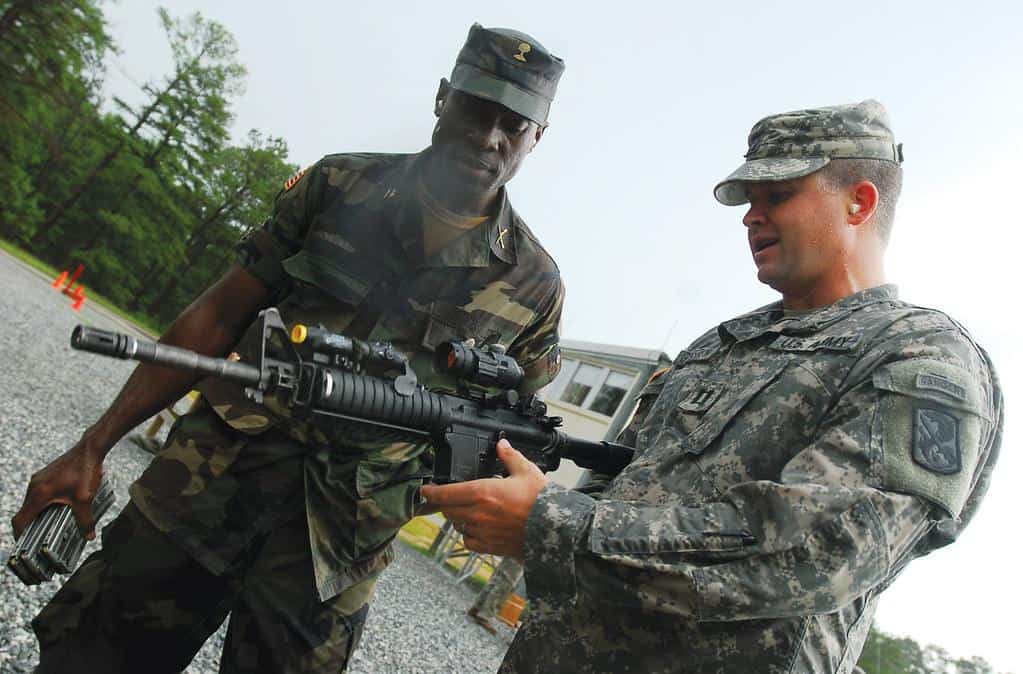
The U.S. defense budget is by far the largest in the world, surpassing that of the next nine highest-spending countries combined. Next year, the Defense Department is requesting nearly $44 billion for Army weapons and equipment procurement and development alone — nearly as much as Israel’s entire defense budget in 2024. Heavy investment in weapons systems for the U.S. Army is a direct reflection of the branch’s importance to American interests, both in times of war and peace.
21. M10 Booker (Mobile Protected Firepower)
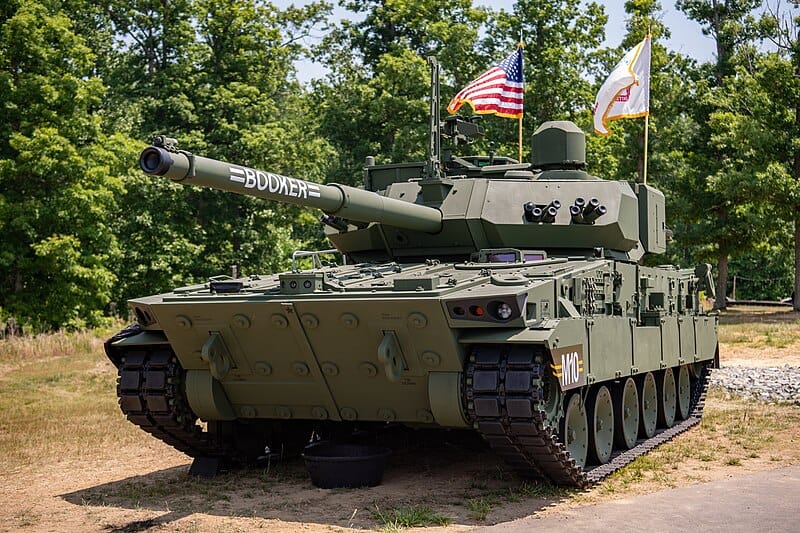
- Procurement budget for fiscal 2026: $81.5 million
- Change in funding, FY 2025 to FY 2026: -83.3% (-$405.7 million)
- Program category: Ground Systems
- Weapon description: Long-range, precision, armored combat vehicle
- Program service branch: U.S. Army
- Primary contractor(s) include: General Dynamics
20. FMTV Family of Medium Tactical Vehicles
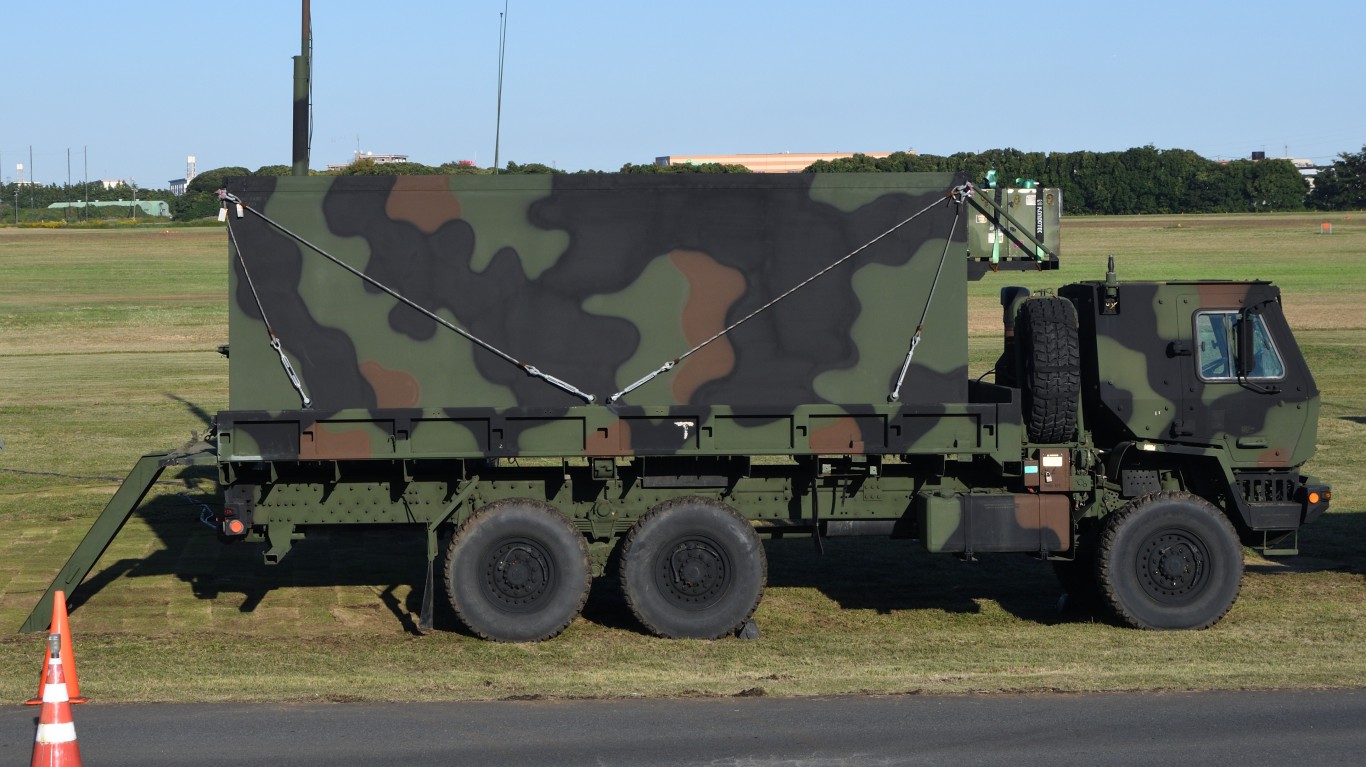
- Procurement budget for fiscal 2026: $107.9 million
- Change in funding, FY 2025 to FY 2026: -58.8% (-$154.1 million)
- Program category: Ground Systems
- Weapon description: Multi-purpose combat and combat support troop and cargo transport vehicle
- Program service branch: U.S. Army
- Primary contractor(s) include: Oshkosh Defense
19. Stryker Family of Armored Vehicles
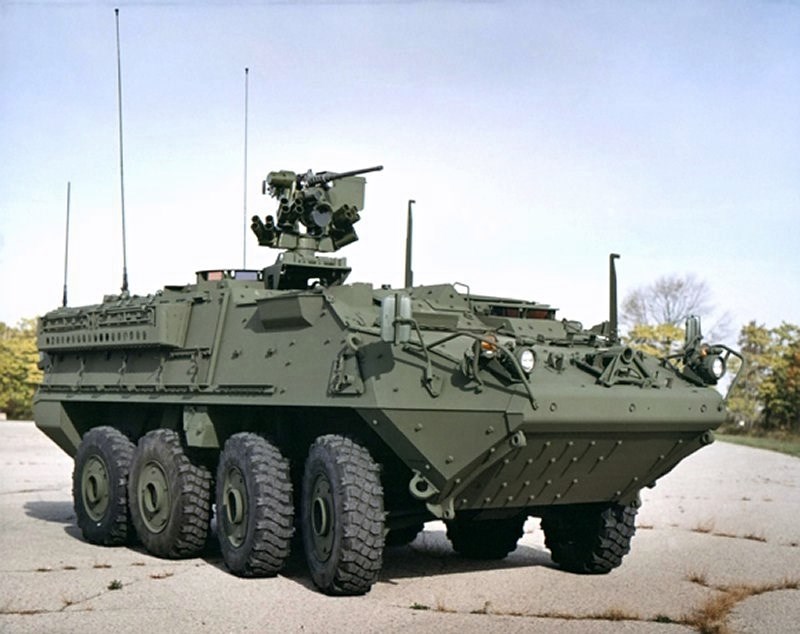
- Procurement budget for fiscal 2026: $145.6 million
- Change in funding, FY 2025 to FY 2026: -71.1% (-$357.7 million)
- Program category: Ground Systems
- Weapon description: Urban-combat capable, 19 ton, armored infantry transport vehicle
- Program service branch: U.S. Army
- Primary contractor(s) include: Oshkosh Defense
18. FHTV Family of Heavy Tactical Vehicles
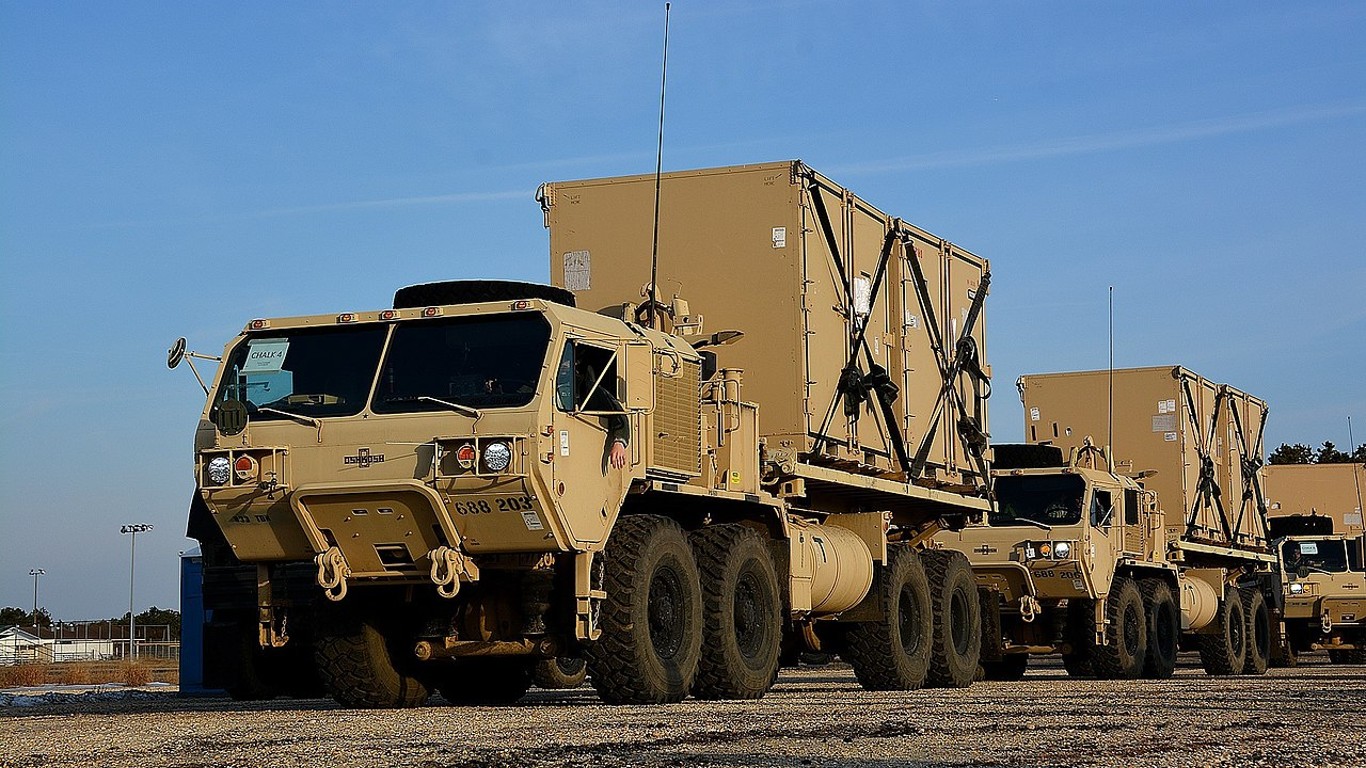
- Procurement budget for fiscal 2026: $148.5 million
- Change in funding, FY 2025 to FY 2026: -32.6% (-$71.7 million)
- Program category: Ground Systems
- Weapon description: Heavy cargo supply vehicles for combat support
- Program service branch: U.S. Army
- Primary contractor(s) include: Oshkosh Defense
17. AH-64E Apache: Remanufacture/New Build
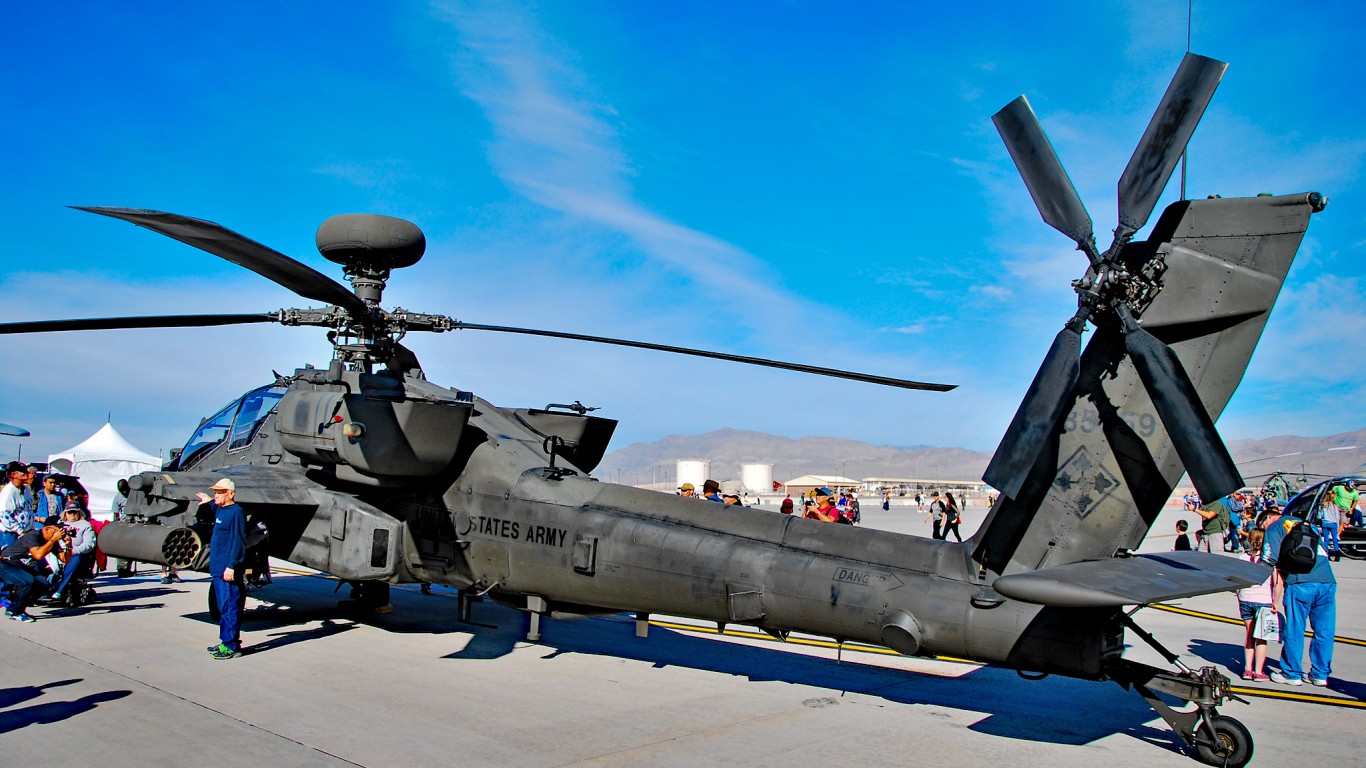
- Procurement budget for fiscal 2026: $171.3 million
- Change in funding, FY 2025 to FY 2026: -74.0% (-$488.2 million)
- Program category: Aircraft and Related Systems
- Weapon description: Upgrades and service-life extension program for Apache attack helicopters
- Program service branch: U.S. Army
- Primary contractor(s) include: Boeing
16. PIM Paladin Integrated Management
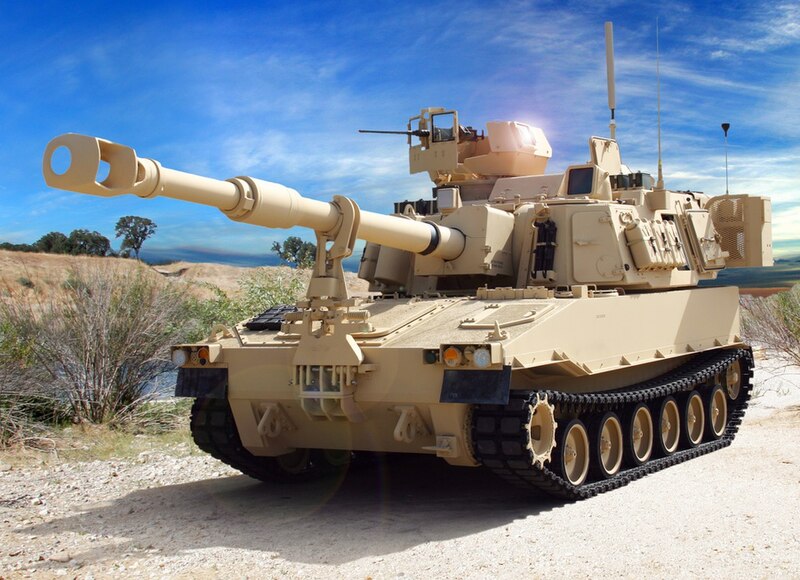
- Procurement budget for fiscal 2026: $262.7 million
- Change in funding, FY 2025 to FY 2026: -57.0% (-$348.4 million)
- Program category: Ground Systems
- Weapon description: Self-propelled Howitzer artillery vehicle
- Program service branch: U.S. Army
- Primary contractor(s) include: BAE Systems
15. XM30 Combat Vehicle
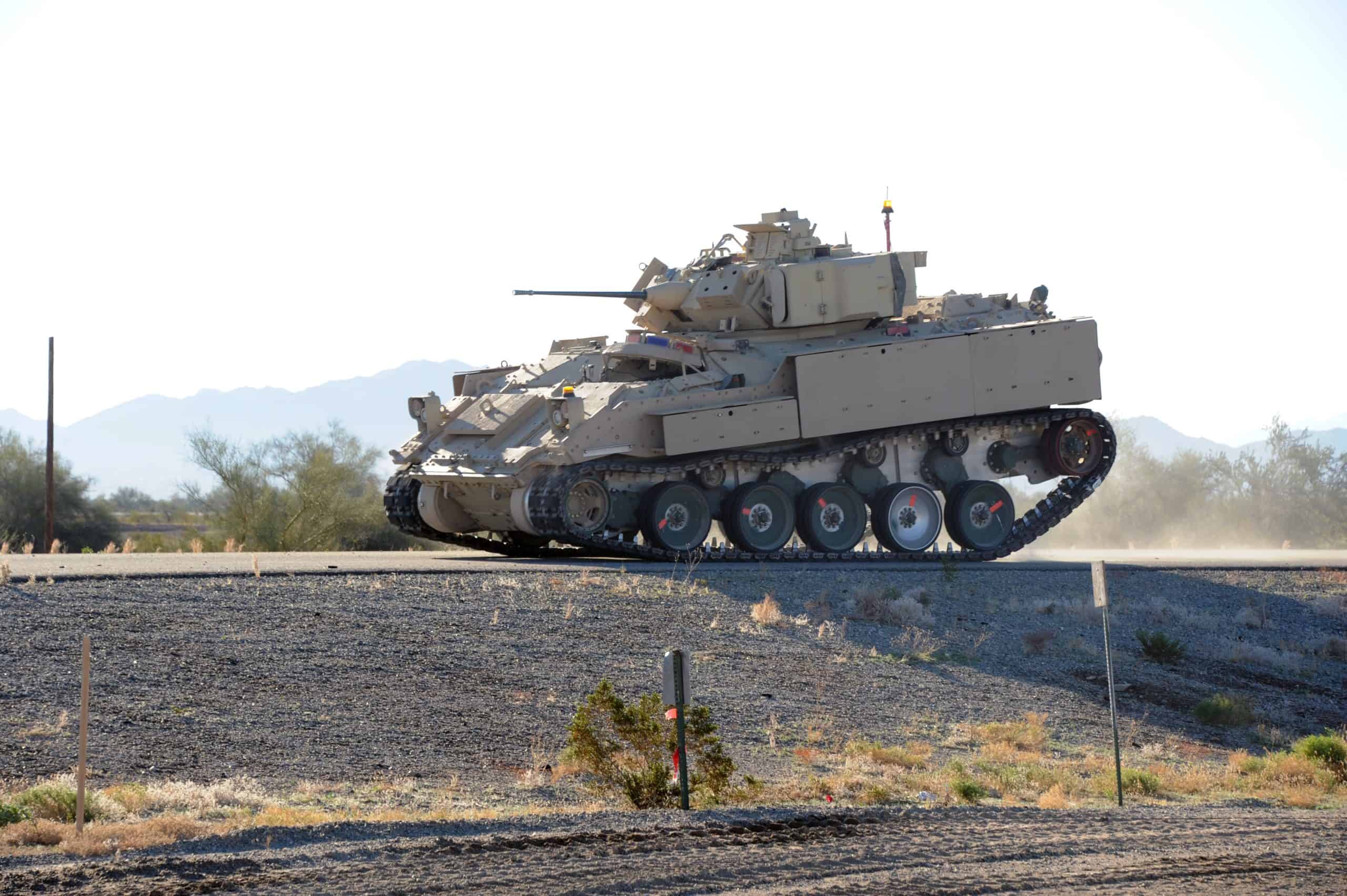
- Procurement budget for fiscal 2026: $386.4 million
- Change in funding, FY 2025 to FY 2026: -22.6% (-$113.1 million)
- Program category: Ground Systems
- Weapon description: Infantry fighting vehicle for forward operating combat
- Program service branch: U.S. Army
- Primary contractor(s) include: TBD
14. NGSW Next Generation Squad Weapon
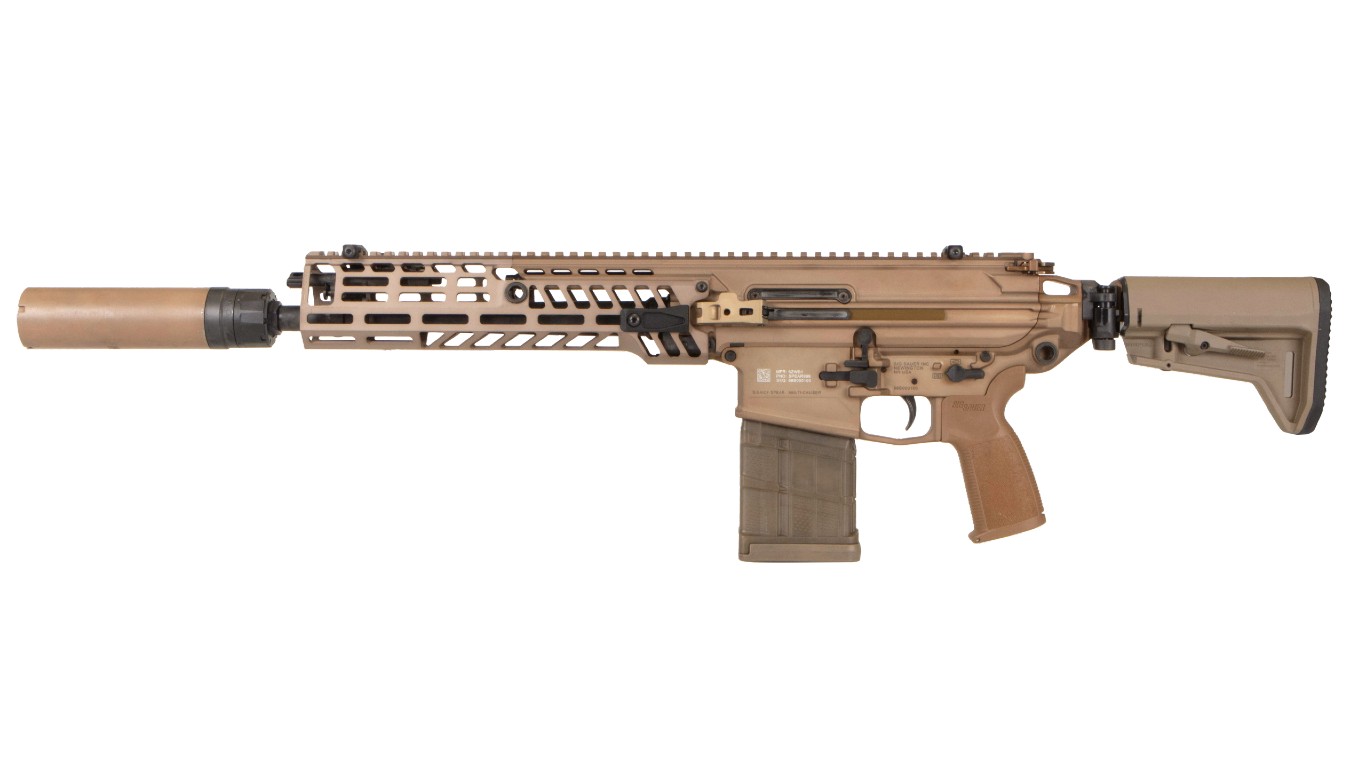
- Procurement budget for fiscal 2026: $395.5 million
- Change in funding, FY 2025 to FY 2026: +1.6% (+$6.1 million)
- Program category: Ground Systems
- Weapon description: Assault and automatic rifles
- Program service branch: U.S. Army
- Primary contractor(s) include: Sig Sauer, Vortex Optics, Winchester Ammunition
13. HMS Handheld, Manpack, and Small Form Fit Radios
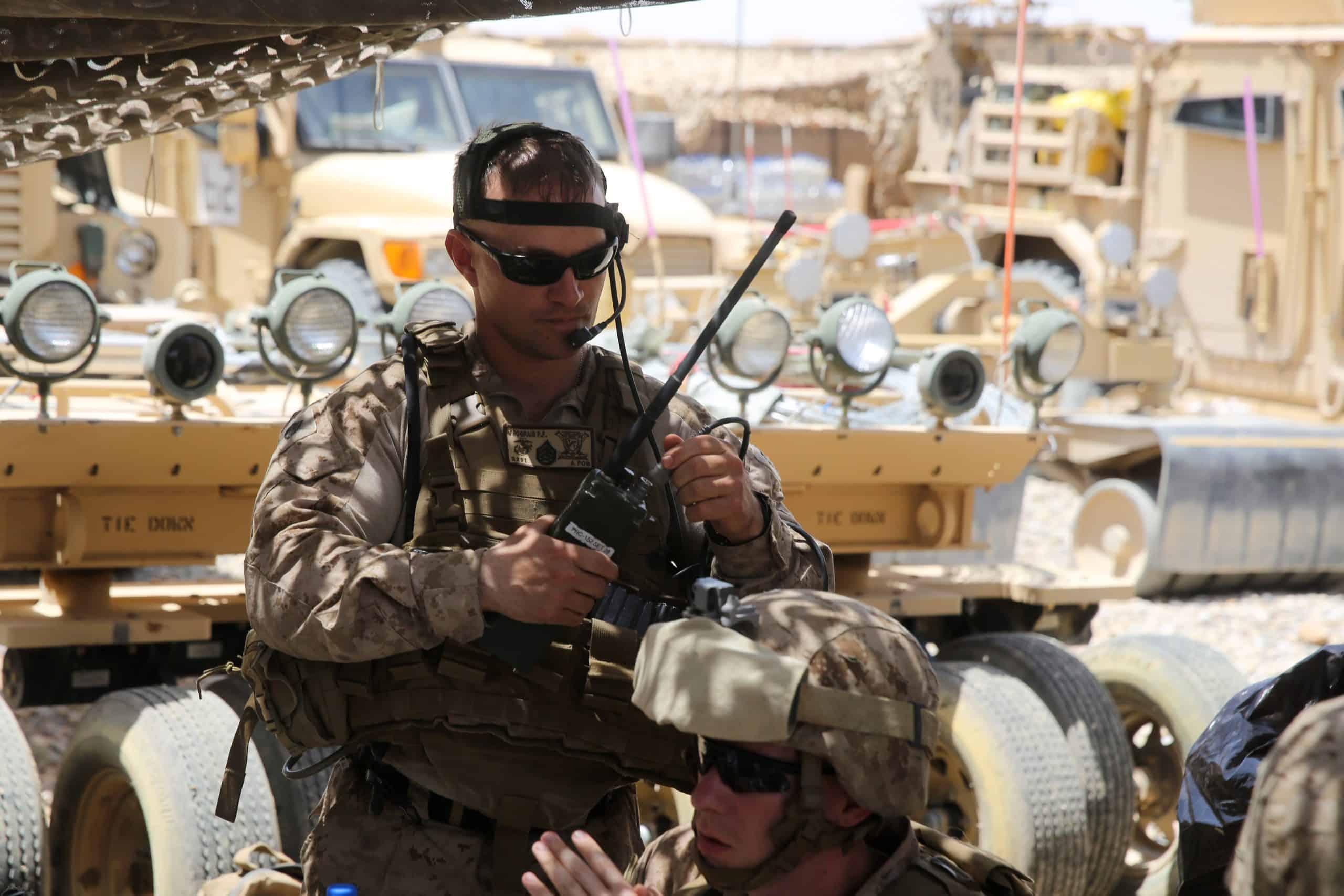
- Procurement budget for fiscal 2026: $481.7 million
- Change in funding, FY 2025 to FY 2026: -26.3% (-$171.8 million)
- Program category: C4I Systems
- Weapon description: Voice and data communications system
- Program service branch: U.S. Army
- Primary contractor(s) include: L3Harris, Thales, Collins Aerospace, Anduril Industries
12. SMRF/Typhon Strategic Mid-Range Fires System
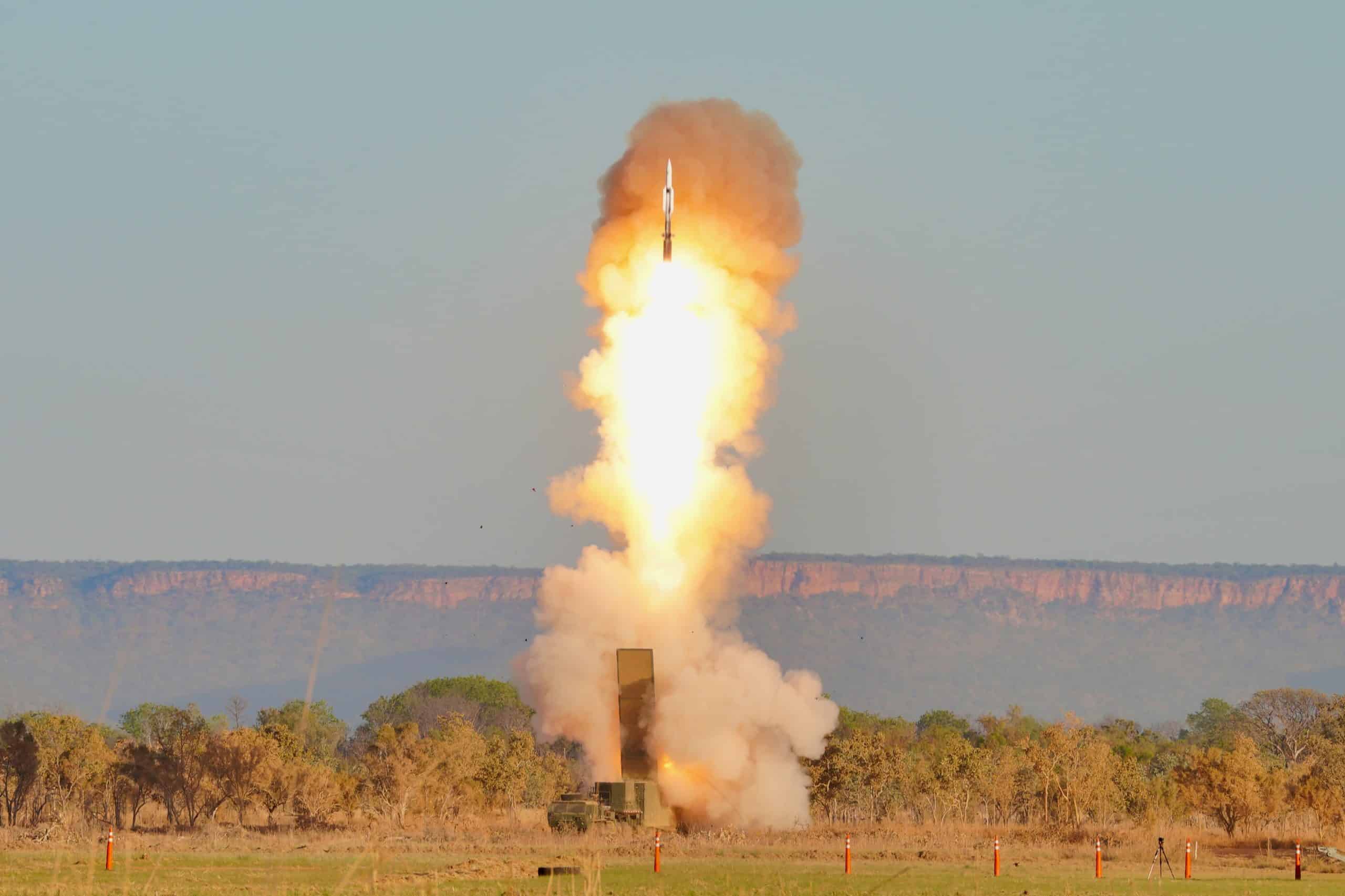
- Procurement budget for fiscal 2026: $500.1 million
- Change in funding, FY 2025 to FY 2026: +20.2% (+$84.2 million)
- Program category: Missiles and Munitions
- Weapon description: Mobile, ground based anti-air and anti-surface missile launch platform
- Program service branch: U.S. Army
- Primary contractor(s) include: Lockheed Martin, RTX, BAE Systems
11. PrSM Precision Strike Missile
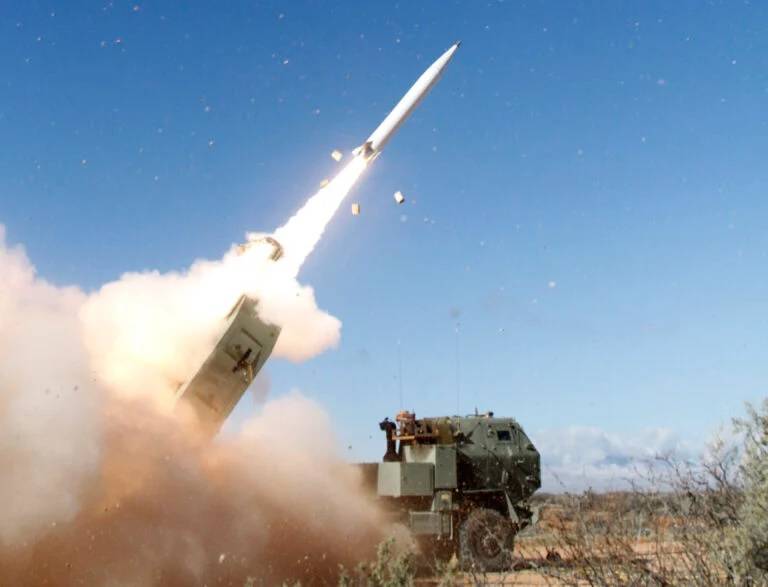
- Procurement budget for fiscal 2026: $560.8 million
- Change in funding, FY 2025 to FY 2026: -12.6% (-$80.8 million)
- Program category: Missiles and Munitions
- Weapon description: Next-generation surface-to-surface short-range ballistic missile
- Program service branch: U.S. Army
- Primary contractor(s) include: Lockheed Martin
10. AMPV Armored Multi-Purpose Vehicle
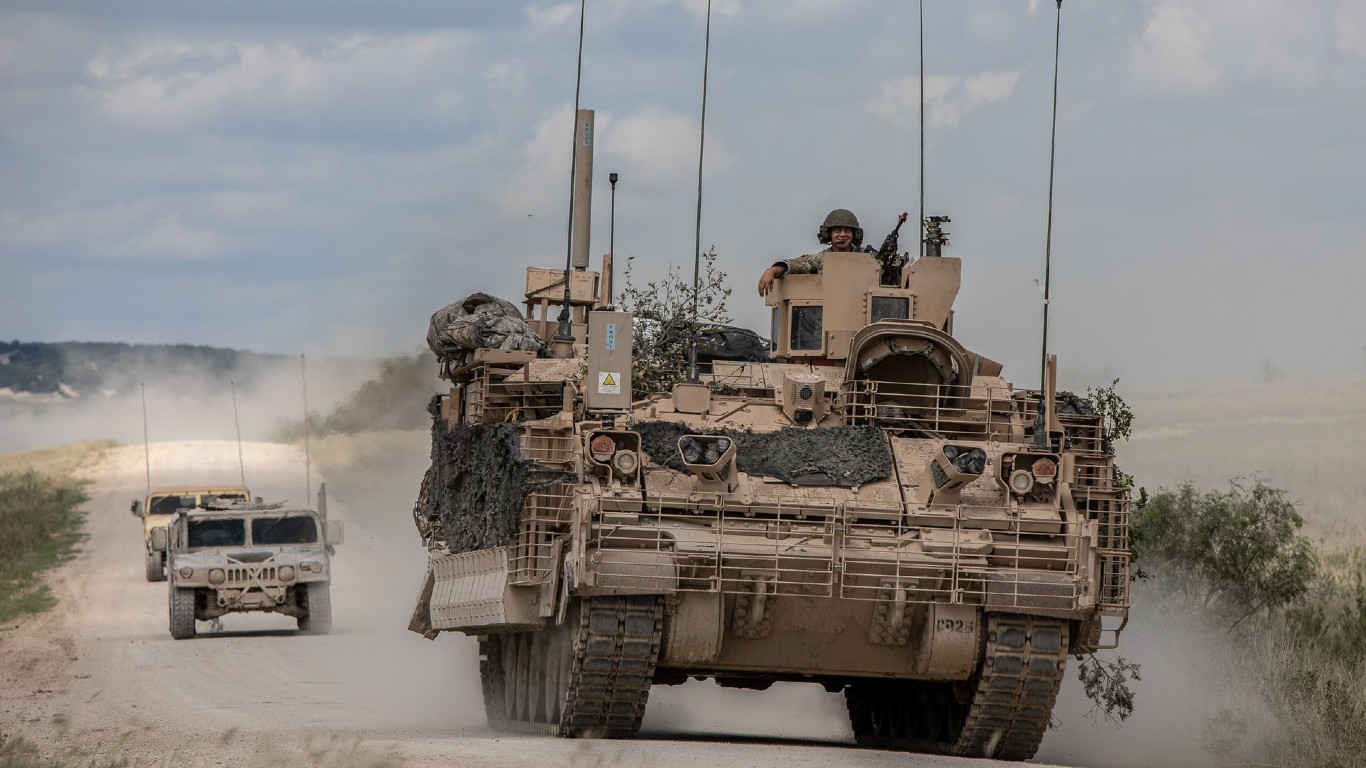
- Procurement budget for fiscal 2026: $565.4 million
- Change in funding, FY 2025 to FY 2026: +43.6% (+$171.6 million)
- Program category: Ground Systems
- Weapon description: Infantry transport combat vehicle
- Program service branch: U.S. Army
- Primary contractor(s) include: BAE Systems
9. CH-47 Chinook
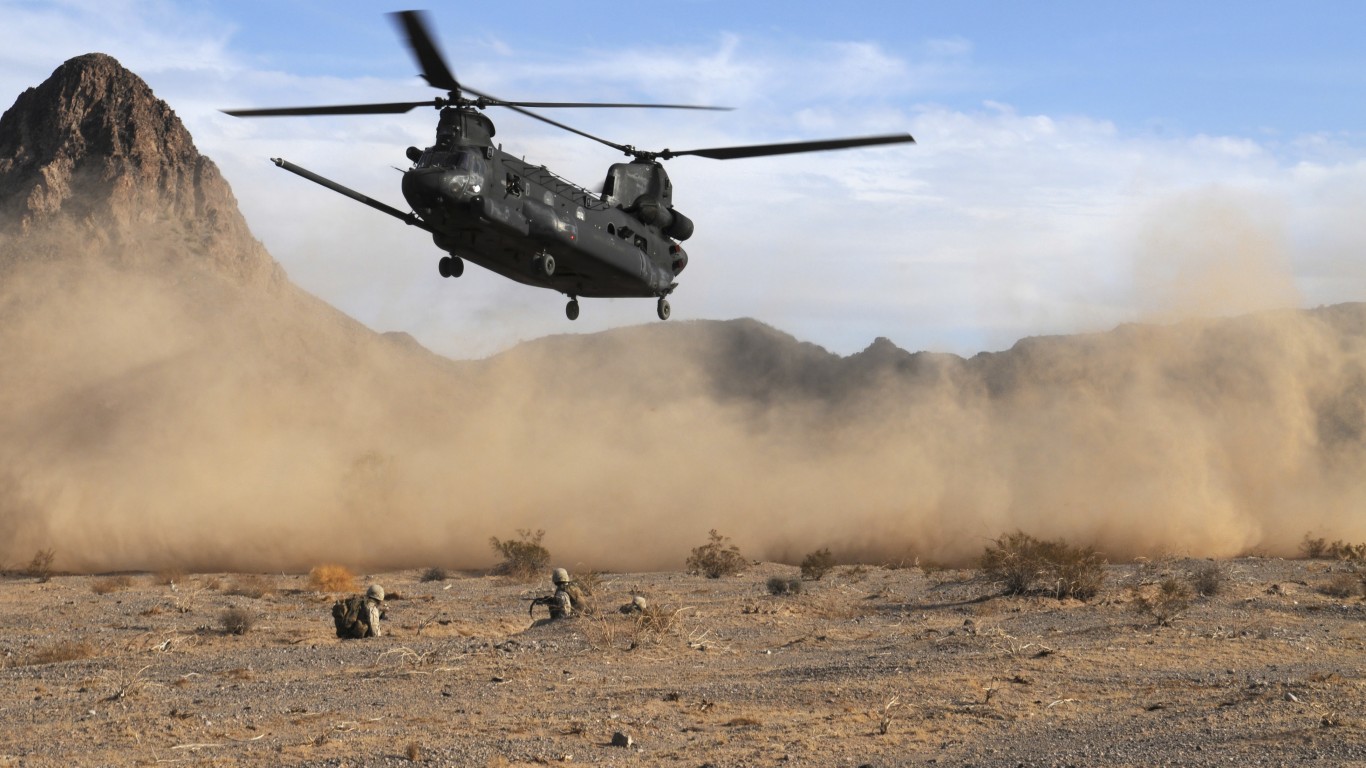
- Procurement budget for fiscal 2026: $708.8 million
- Change in funding, FY 2025 to FY 2026: -4.7% (-$34.6 million)
- Program category: Aircraft and Related Systems
- Weapon description: Upgrades and service-life extension program for Chinook cargo helicopters
- Program service branch: U.S. Army
- Primary contractor(s) include: Boeing
8. MRIC Medium-Range Intercept Capability

- Procurement budget for fiscal 2026: $714.4 million
- Change in funding, FY 2025 to FY 2026: +93.0% (+$344.2 million)
- Program category: Missile Defense Programs
- Weapon description: Surface-to-air fired cruise missile defense system
- Program service branch: U.S. Army
- Primary contractor(s) include: Lockheed Martin, Northrop Grumman
7. TNT Tactical Network Technology

- Procurement budget for fiscal 2026: $723.9 million
- Change in funding, FY 2025 to FY 2026: +182.4% (+$467.6 million)
- Program category: C4I Systems
- Weapon description: Command and control communications network
- Program service branch: U.S. Army
- Primary contractor(s) include: General Dynamics, RSC2, Trace Systems, MAG Aerospace, ManTech, Microsoft, Jardon and Howard Technologies
6. UH-60 Black Hawk
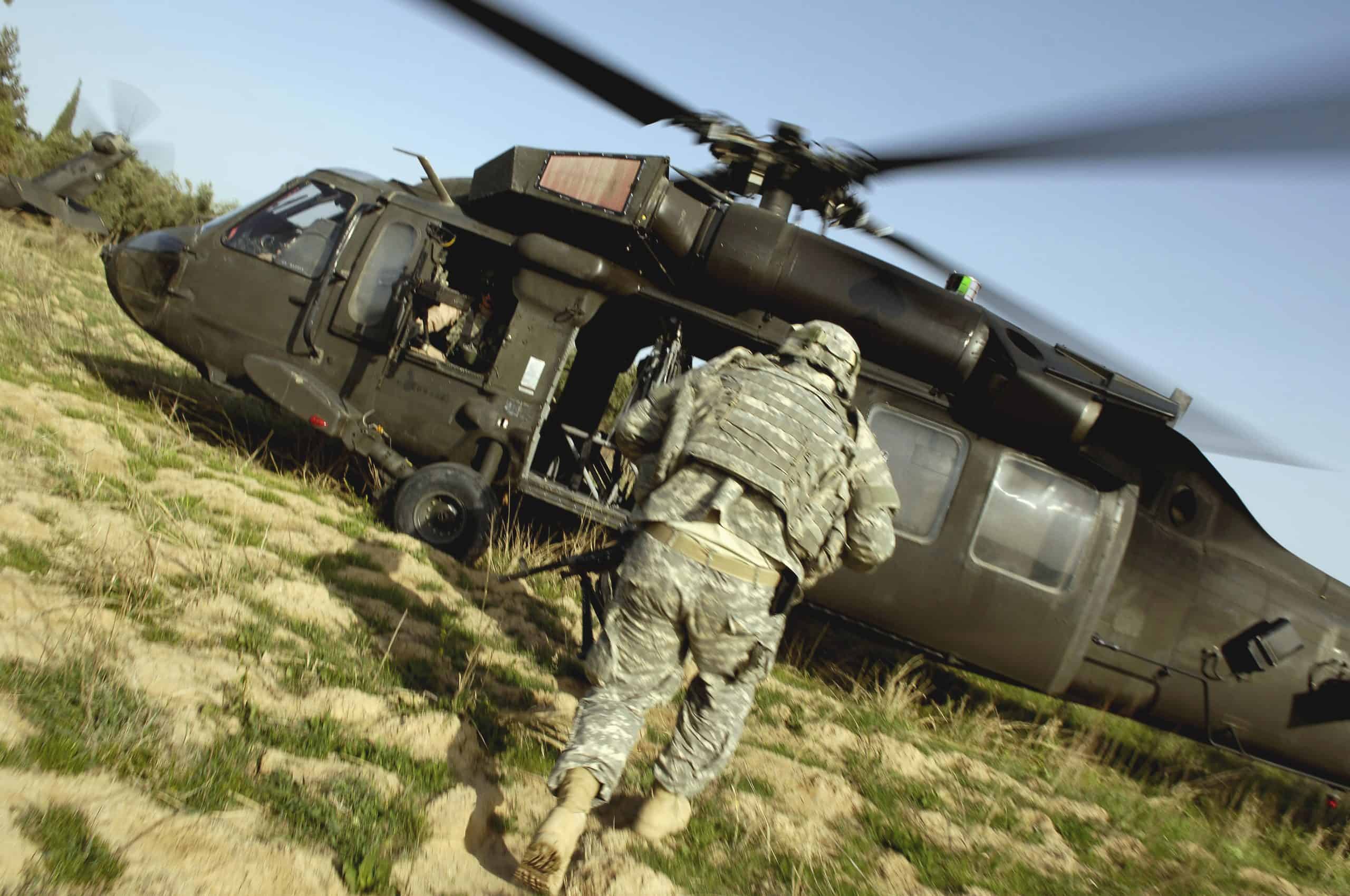
- Procurement budget for fiscal 2026: $756.1 million
- Change in funding, FY 2025 to FY 2026: -20.6% (-$196.1 million)
- Program category: Aircraft and Related Systems
- Weapon description: Personnel and cargo utility helicopter
- Program service branch: U.S. Army
- Primary contractor(s) include: Sikorsky, a division of Lockheed Martin
5. FLRAA Future Long-Range Assault Aircraft

- Procurement budget for fiscal 2026: $1.2 billion
- Change in funding, FY 2025 to FY 2026: -0.8% (-$10.1 million)
- Program category: Aircraft and Related Systems
- Weapon description: Next-generation vertical-lift assault/utility aircraft
- Program service branch: U.S. Army
- Primary contractor(s) include: Bell Helicopter Textron
4. IFPC Indirect Fire Protection Capability
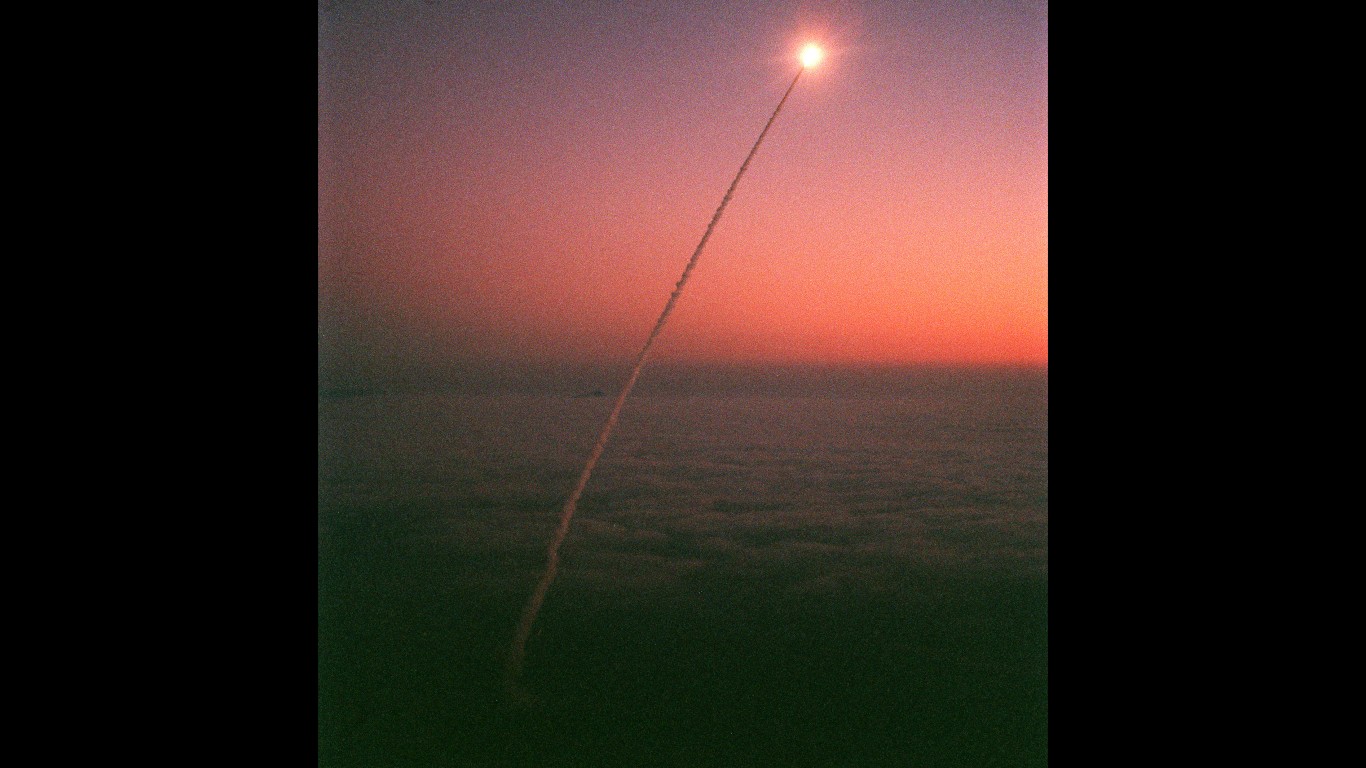
- Procurement budget for fiscal 2026: $1.3 billion
- Change in funding, FY 2025 to FY 2026: +82.8% (+$573.8 million)
- Program category: Missile Defense Programs
- Weapon description: Drone, cruise missile, rocket, artillery, and mortar defense system
- Program service branch: U.S. Army
- Primary contractor(s) include: Leidos, RTX, Lockheed Martin
3. PAC-3 / MSE PAC-3/Missile Segment Enhancement
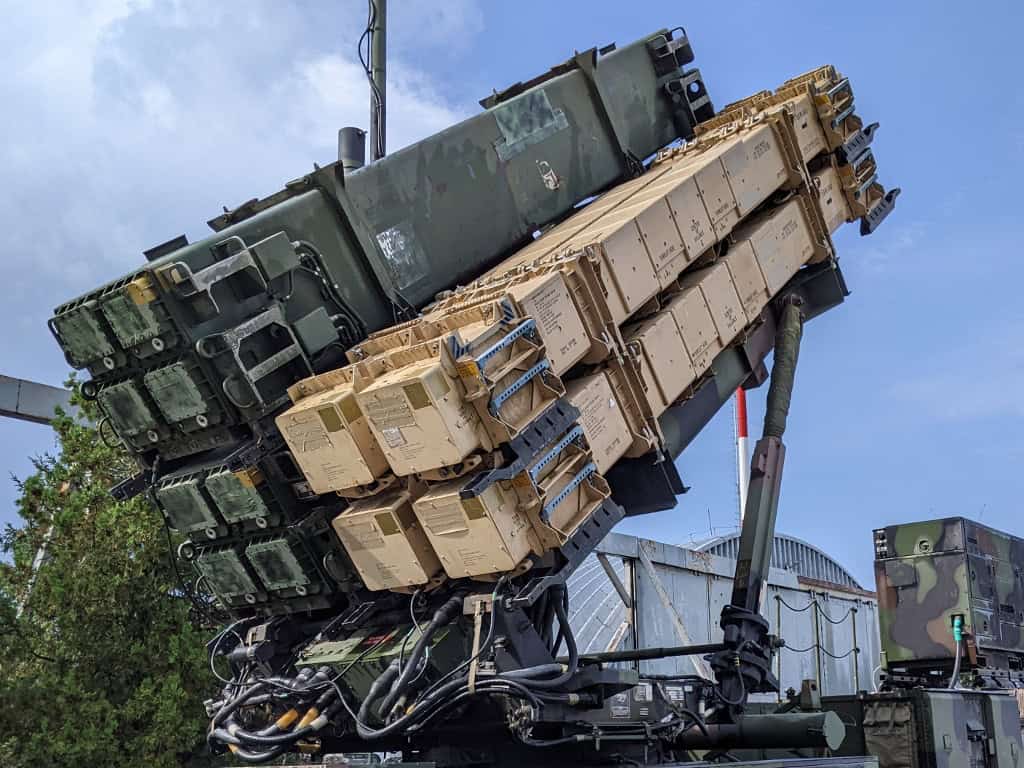
- Procurement budget for fiscal 2026: $1.4 billion
- Change in funding, FY 2025 to FY 2026: +50.1% (+$453.8 million)
- Program category: Missile Defense Programs
- Weapon description: Long-range surface-to-air missile defense system enhancements
- Program service branch: U.S. Army
- Primary contractor(s) include: Lockheed Martin
2. M-1 Abrams Tank Modification/Upgrades

- Procurement budget for fiscal 2026: $1.5 billion
- Change in funding, FY 2025 to FY 2026: +39.2% (+$412.6 million)
- Program category: Ground Systems
- Weapon description: Main battle tank
- Program service branch: U.S. Army
- Primary contractor(s) include: General Dynamics
1. PATRIOT / PAC-3 Advanced Capability

- Procurement budget for fiscal 2026: $2.5 billion
- Change in funding, FY 2025 to FY 2026: +176.7% (+$1.6 billion)
- Program category: Missile Defense Programs
- Weapon description: Long-range, all-altitude, all-weather, air defense system
- Program service branch: U.S. Army
- Primary contractor(s) include: RTX, Lockheed Martin






 Top Gaining Stocks
 Top Losing Stocks