


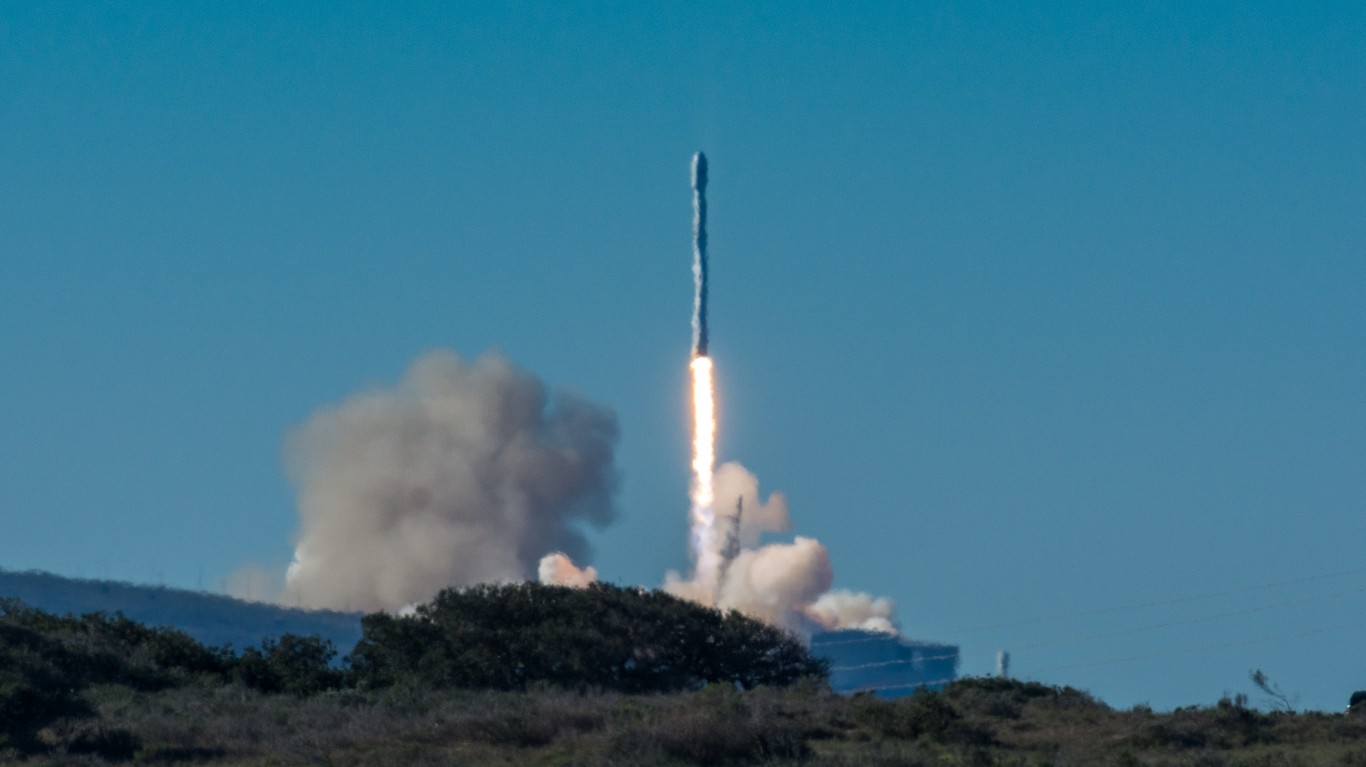
Elon Musk’s rocket company, SpaceX, has received approval from the Federal Communications Commission (FCC) to deploy over 7,000 satellites that can provide broadband across much of the world. The 16-year-old company is best known for sending heavy commercial loads into orbit with reusable rockets that have changed the dynamics and financials of how the largest rockets in the world are deployed.
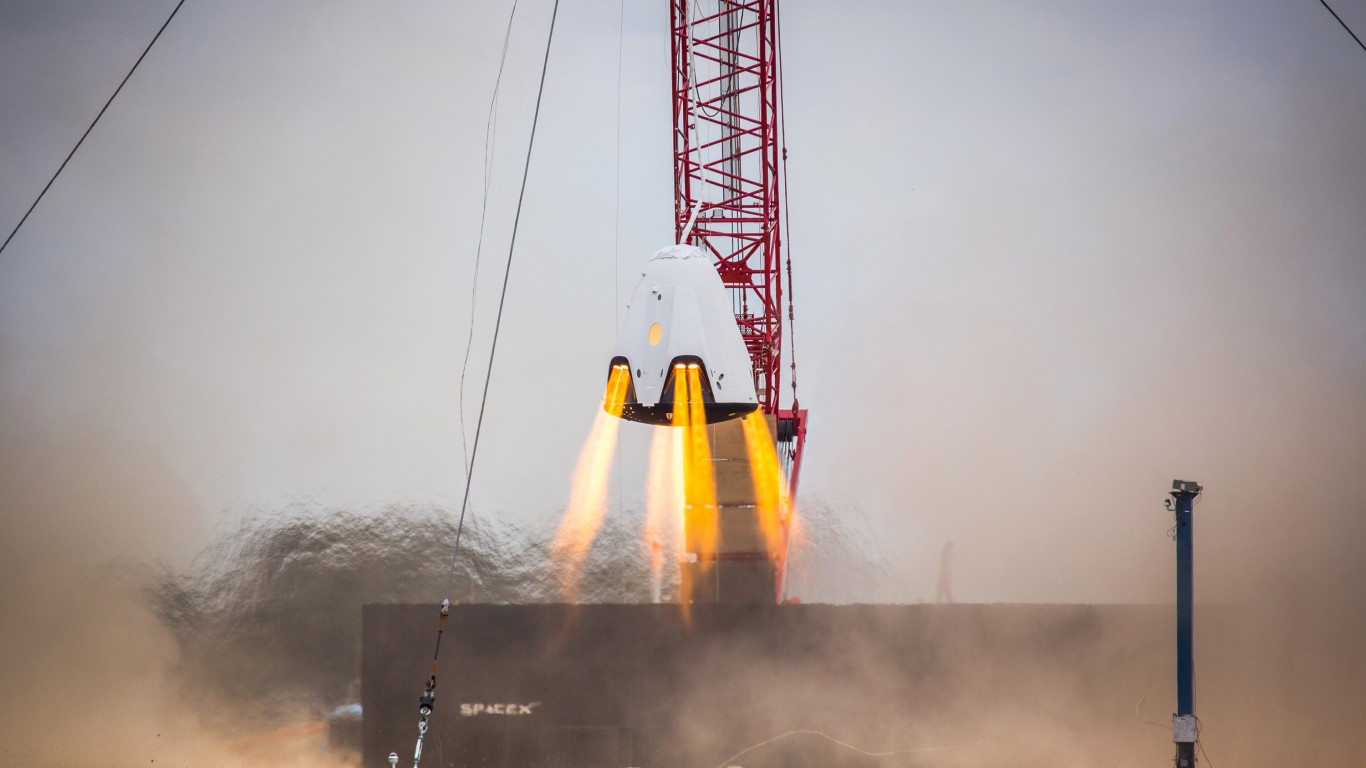
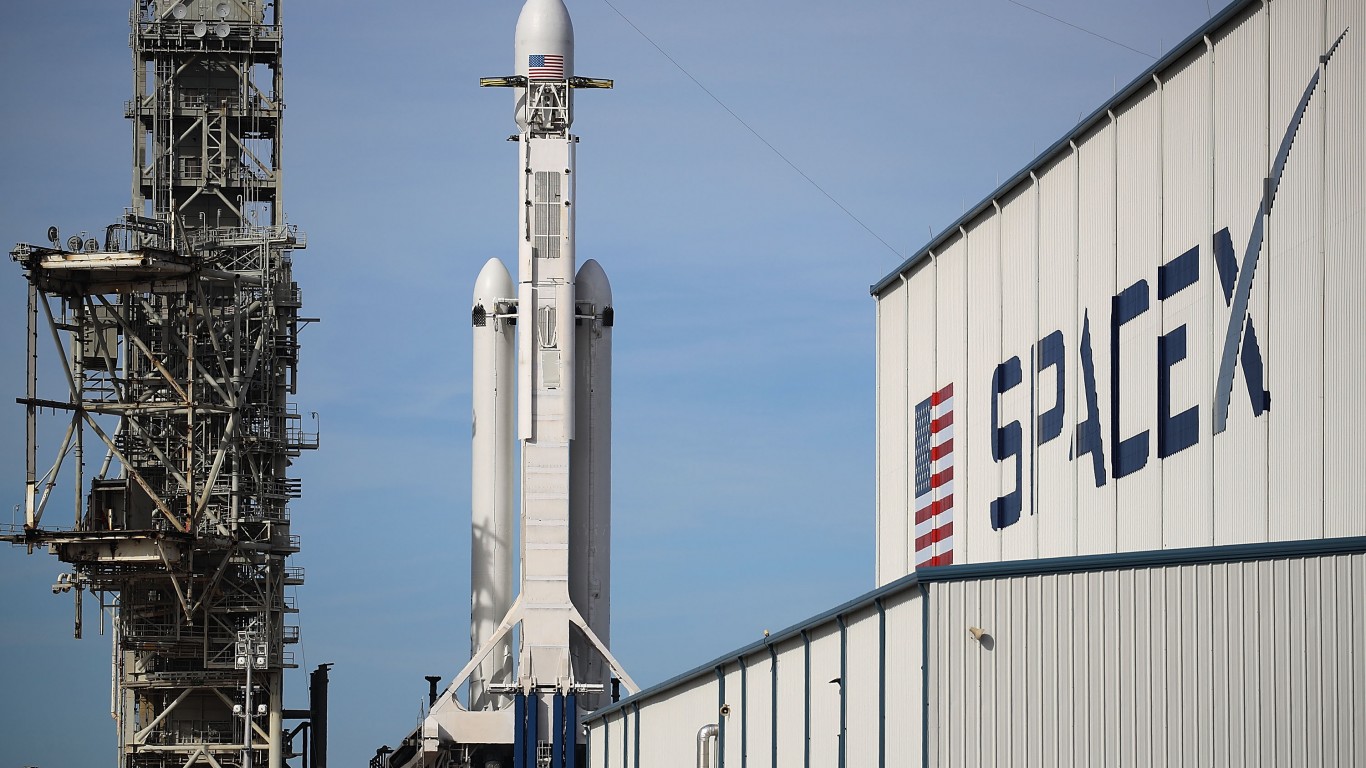
SpaceX, which is short for Space Exploration Technologies Corporation, is privately owned and run by Tesla CEO Elon Musk. Its Falcon and Dragon rockets have become competitors with major aerospace companies for tasks that include delivering payloads to the International Space Station. Musk has set a goal to send private citizens into space. The first such flight is set to circle the moon.
Under the new FCC approval, four companies will be allowed to launch broadband satellites: SpaceX, Kepler Communications, Telesat Canada and LeoSat MA. The systems used by SpaceX will supply “fixed satellite service in the United States, expanding global connectivity and advancing the goals of increasing high-speed broadband availability and competition in the marketplace.”
The FCC order will allow SpaceX to deploy more than 7,000 satellites that use V-band frequencies. This designation is provided by the Institute of Electrical and Electronic Engineers and basically refers to microwave signals. The FCC approval will allow SpaceX to supply a wide range of customers across a huge geographic base. In its Memorandum Opinion, Order and Authorization, the FCC wrote, “The Commission’s action provides SpaceX with additional flexibility to provide both diverse geographic coverage and the capacity to support a wide range of broadband and communications services for residential, commercial, institutional, governmental, and professional users in the United States and globally.”
[nativounit]
Low-orbiting broadband satellites allow people and companies to have services that act similarly to Wi-Fi and wireless broadband, although based on entirely different technology. Users with specialized hardware can send and receive signals. These internet speeds are slower than 4G and fixed wireline broadband. The service is much less costly to cover rural areas than running broadband lines, which would need to stretch hundreds of miles.
In March, the FCC approved another 4,425 SpaceX low-orbit satellites for a system it calls Starlink. SpaceX has added another large and pioneering service to a list that has mushroomed from commercial rockets to manned flight for private citizens.
[wallst_email_signup]











 Top Gaining Stocks
 Top Losing Stocks