


After markets closed Thursday, Boeing Co. (NYSE: BA | BA Price Prediction) issued a press release announcing that it will record a $4.9 billion second-quarter after-tax charge ($8.74 per share) related to “potential concessions and other considerations” associated with the grounding of the company’s 737 Max single-aisle passenger jet. The charge will reduce pretax revenue and profit by $5.6 billion.
Few companies can take a hit like this and not suffer severe repercussions like a collapsing share price. Boeing’s stock closed down about 2.3% Thursday but traded up by nearly 2.5% following its announcement of the charge.
Boeing is a cash machine, and while $5.6 billion in pretax charges are significant, they are far from fatal and not exactly punishing. According to the company’s most recent guidance, operating cash flow for the fiscal year was forecast to range between $17.0 billion and $17.5 billion. Cash flow in the first quarter totaled $2.79 billion, down year over year by 11% from $3.14 billion and down sequentially from $2.95 billion in the fourth quarter of 2018.
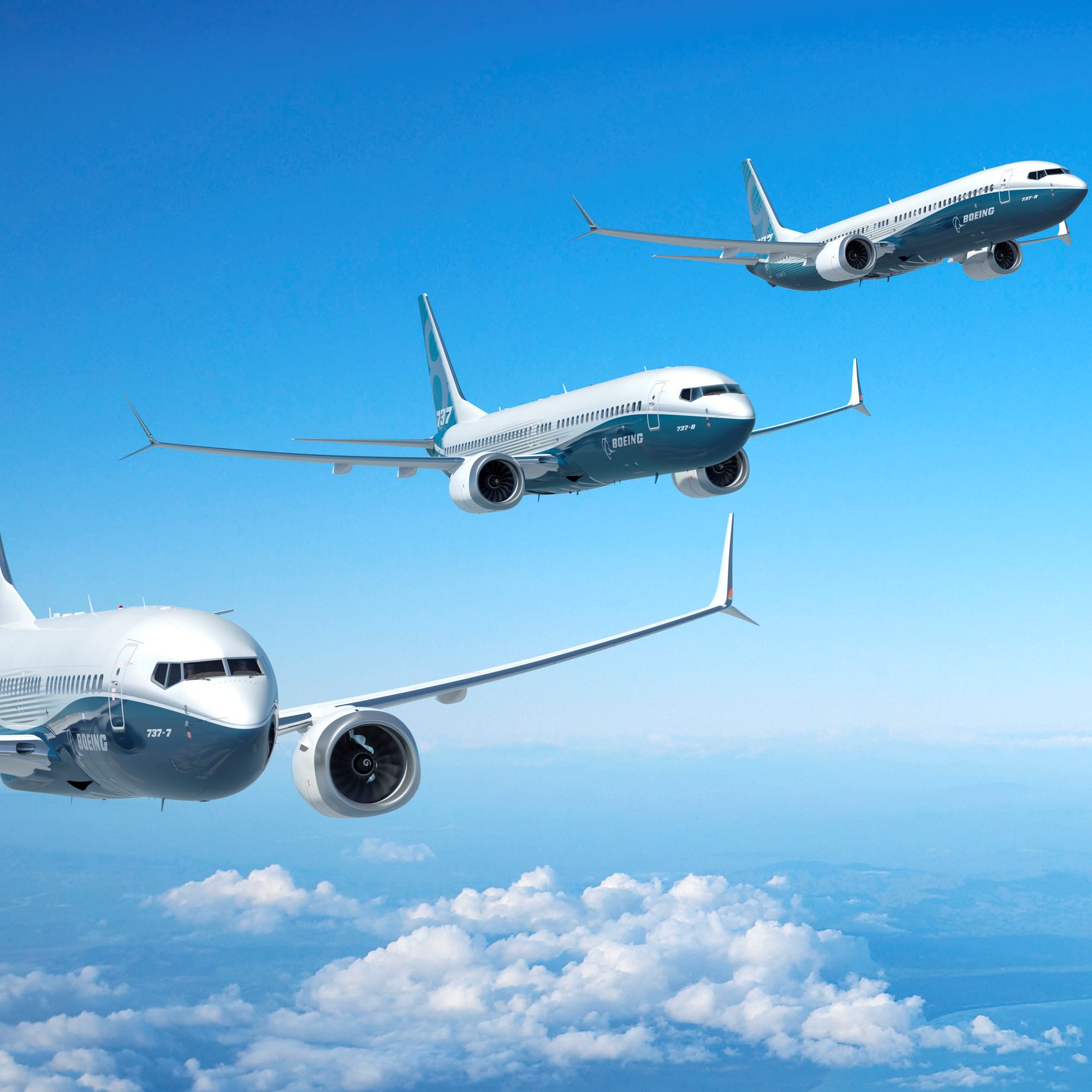
Thursday’s announcement also noted that Boeing’s costs to produce the 737 Max rose by $1.7 billion in the quarter, largely due to the production cut from 52 to 42 planes a month. Added to an estimated $1 billion cost increase in the first quarter, Boeing’s pretax hit so far amounts to $8.3 billion.
[nativounit]
Second-quarter cash flow will be sharply lower, and Boeing said it will discuss its fiscal year outlook next week when the company reports second-quarter results. If the stuff is going to hit the fan, that’s when it will happen.
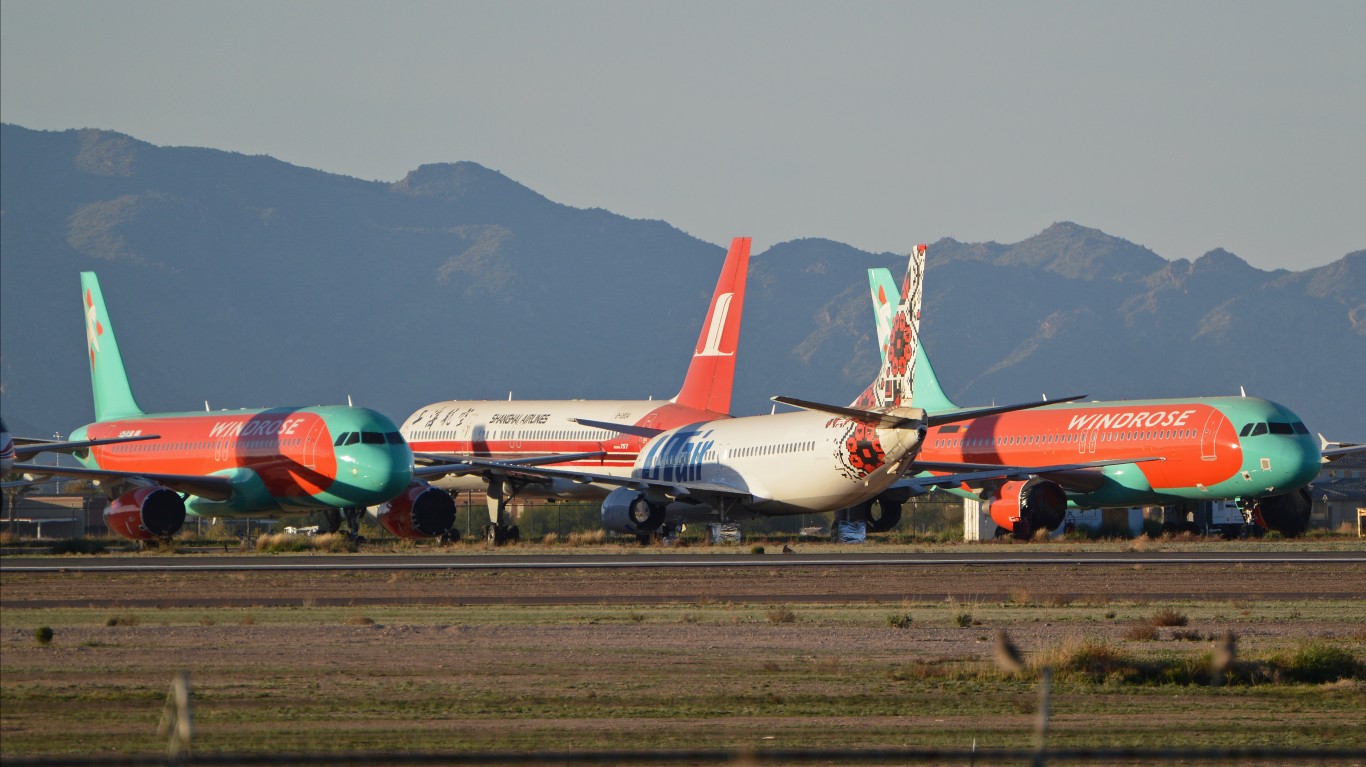
Boeing ended the first quarter with about $6.84 billion in cash and inventory valued at $65.37 billion. That inventory figure will grow significantly when the company reports earnings next week because Boeing built 42 new 737 Max jets every month during the quarter and parked them wherever it could find space. Second-quarter deliveries of new planes fell by more than a third due to the grounding of the 737 Max.
In Thursday’s announcement, the company said it expects the 737 Max to return to service early in the fourth quarter of this year and that second-quarter results “assume a gradual increase in the 737 production rate from 42 per month to 57 per month in 2020, and that airplanes produced during the grounding and included within inventory will be delivered over several quarters following return to service.”
Boeing is expecting to limp along for a few quarters as it clears its inventory, but it’s also going to build even more 737s. Unless Boeing is just trying to paint a rosier picture of its future than actually exists, that means that no big orders have been canceled and that the current backlog of more than 4,500 737 Max jets remains solid. That’s reassuring to investors.
If the reaction to the announcement is any guide, shareholders are not going to rush for the exits either. The stock traded near the mid-point of its 52-week range Friday morning, at $367 in a range of $292.47 to $446.01. The consensus price target on the stock has dipped just 2.7% to $415.05 from $426.57 when the company reported first-quarter earnings in April.
[recirclink id=561506]
[wallst_email_signup]








 Top Gaining Stocks
 Top Losing Stocks