


Maybe it’s a record. Maybe it is not. It has to be close. Microsoft’s (NASDAQ: MSFT | MSFT Price Prediction) market cap had gone from $4 trillion in late October to $3 tillion today.
Investors celebrated the fanfare over its amazing valuation late last year. The Wall Street Journal reported that only Apple (NASDAQ: AAPL) and Nvidia (NASDAQ: NVDA) had moved above the same level.
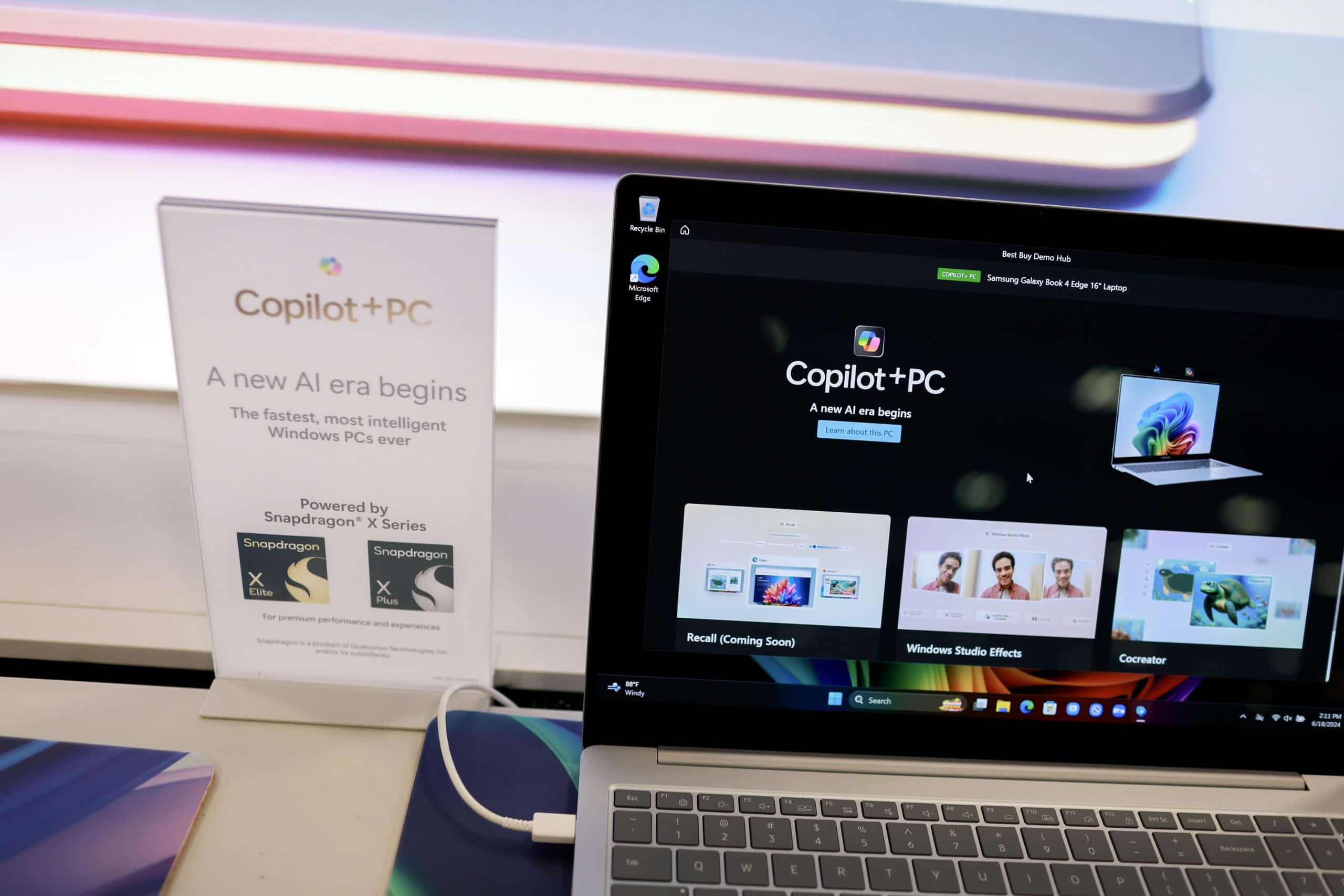
Microsoft announced its Q1 2026 earnings on October 29 of last year. Revenue rose 18% to $77.7 billion. EPS rose 13% to $3.72. It was the company’s comments about AI that helped boost shares. Satya Nadella, the CEO, said. “Our planet-scale cloud and AI factory, together with Copilots across high-value domains, is driving broad diffusion and real-world impact.” The AI frenzy fueled the stock’s advance.
The Q2 figures disappointed. Announced on January 28, they caused a stock collapse from $481 to $393 in less than a week. Since then, the stock has not recovered. It is down 17% this year. The S&P 500 is flat.
Microsoft Copilot dropped from among the top AI apps downloaded on the Apple App Store yesterday. Claude by Anthropic ranked first. ChatGPT ranked in second place. In the third place was Google Gemini. Grok was in 10th place.
In general, investors have been underwhelmed by Copilot AI adoption. It’s cloud business, Azuze, was supposed to help get Copilot in the door, particularly with business customers. Yahoo Tech recently reported, “Microsoft has cut its sales targets for its agentic AI software after struggling to find buyers interested in using it. In some cases, targets have been slashed by up to 50%, suggesting Microsoft overestimated the potential of its new AI tools.” Microsoft said publicly it disagreed.
Microsoft is forecast to spend $145 billion on AI infrastructure during its current fiscal year. Microsoft, Alphabet (NASDAQ: GOOG), Amazon (NASDAQ: AMZN), and Meta (NASDAQ: META) will collectively spend at least $650 billion.
The market looks at Microsoft’s spending and asks why it will put so much money into a race it is apparently losing. The answer is that it has to. However, many investors believe its return is at greater risk than that of its immediate rivals.











 Top Gaining Stocks
 Top Losing Stocks