How Often Will the Tesla Self-Driving Car Crash?

Photo of Douglas A. McIntyre
By Douglas A. McIntyre Published
This post may contain links from our sponsors and affiliates, and Flywheel Publishing may receive compensation for actions taken through them.

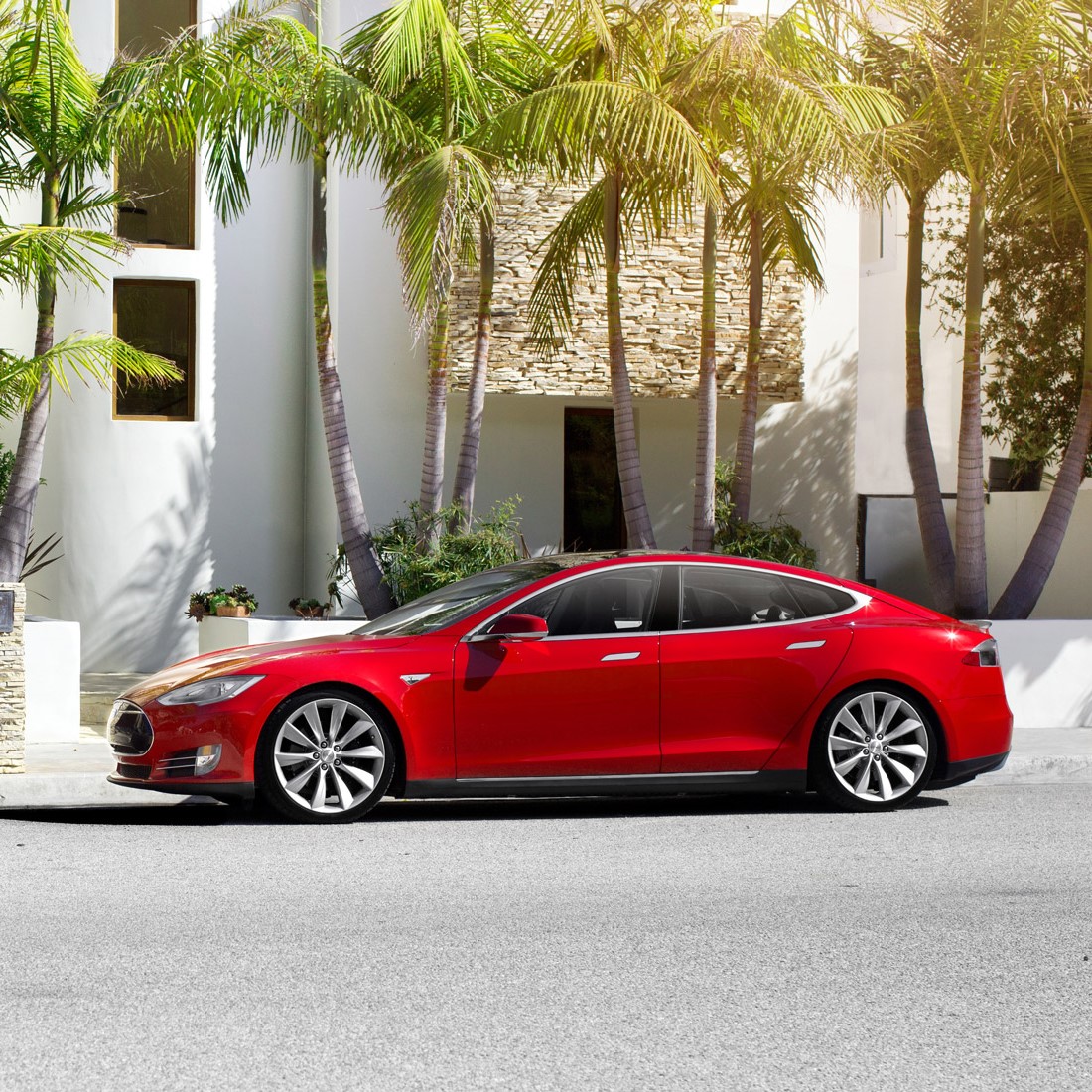
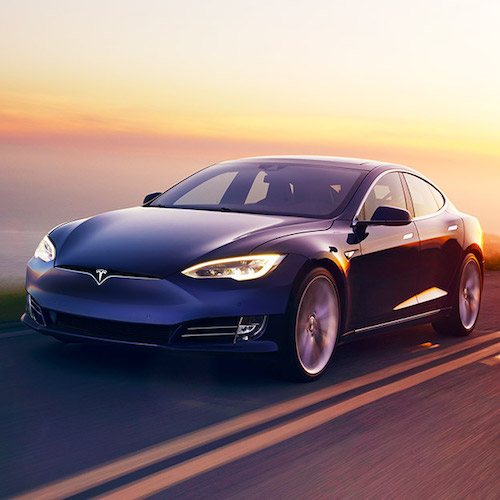
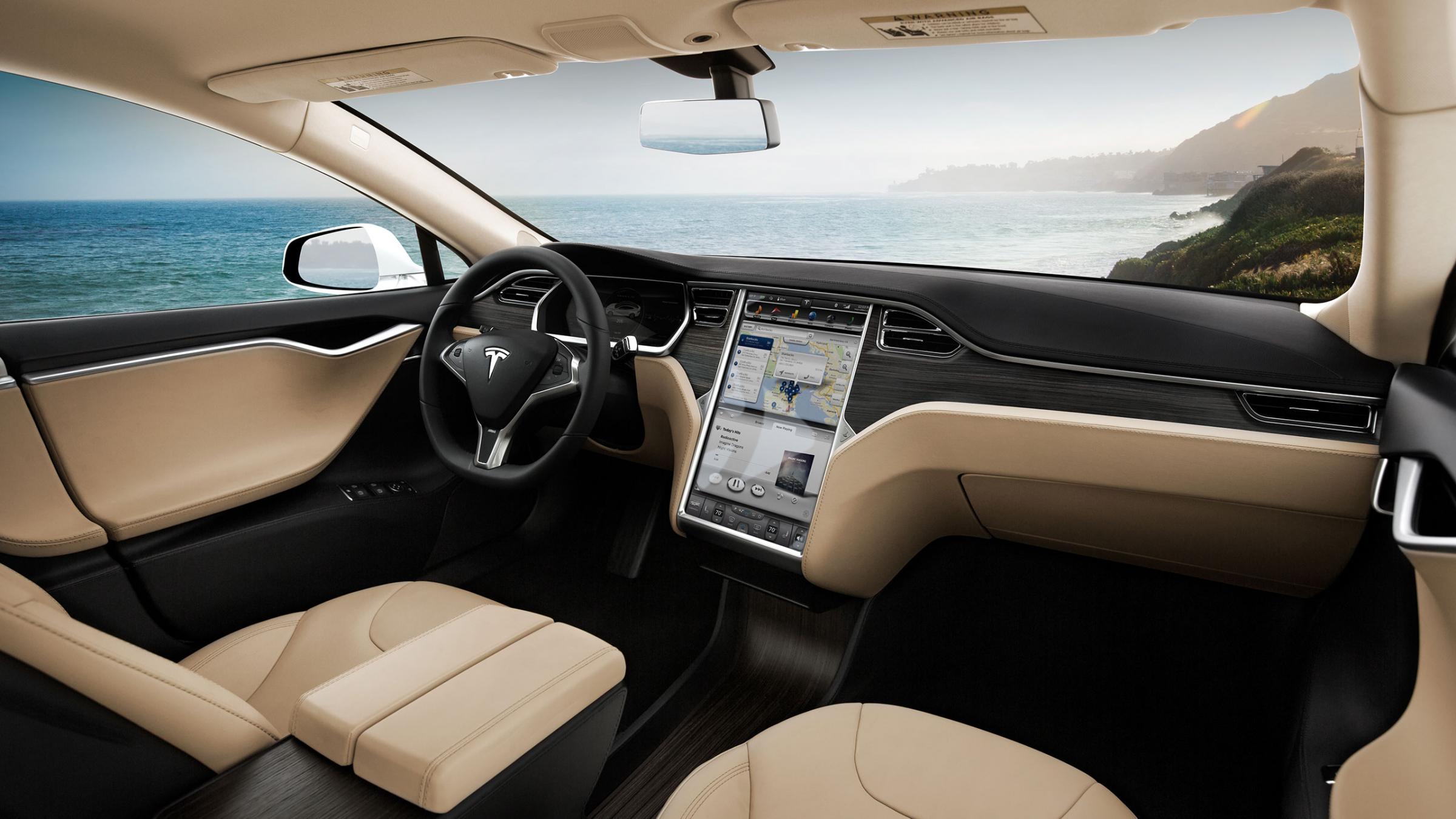
Tesla Motors Inc. (NASDAQ: TSLA) said it will provide software that will allow car owners to navigate on major highways, where the car can drive itself. What it did not say is how risky the plan is or how often a Tesla might crash in the new mode. Like any other car, there are dangers of driving. In Tesla’s case, the risk is due to untried technology.

The best assessment of concern came from Karl Brauer of Kelly Blue Book, who told The New York Times that passengers in driverless cars should consider that, “if you’re an individual that starts doing it, you’d better hope nothing goes wrong.” Brauer also thinks the system could run afoul of some state laws.

However, the legal problems with the Tesla technology are secondary. The primary issue is a high level of danger. Companies with much larger R&D operations, like Google Inc. (NASDAQ: GOOGL) have been working on self-driving cars for at least two years. None has taken the risk of actually putting the technology on the road. Management of the Google project recently commented that a commercially available self-driving car is five years away.

Unlike the Google car, the new Tesla technology is not mean to drive a car on any road at any time. CEO Elon Musk has made it clear that the feature will only work on roads with a large amount of traffic. More traffic usually means more speed, and more cars with which other cars can collide.

As has been true of most advances at Tesla, Musk has beaten long odds to introduce innovation. These chances have worked, to the extent that Tesla cars are considered among the best on the highway in terms of safety and features. The easiest way to quickly reverse these advances is for self-driving Tesla vehicles to get into accidents. No matter how good the technology, any and all car types get into accidents. Tesla is not saying that its new advance will make its cars accident free.

ALSO READ: Tesla Fires Staff in China as Sales Falter

Photo of Douglas A. McIntyre
About the Author Douglas A. McIntyre →

Douglas A. McIntyre is the co-founder, chief executive officer and editor in chief of 24/7 Wall St. and 24/7 Tempo. He has held these jobs since 2006.

McIntyre has written thousands of articles for 24/7 Wall St. He is an expert on corporate finance, the automotive industry, media companies and international finance. He has edited articles on national demographics, sports, personal income and travel.

His work has been quoted or mentioned in The New York Times, The Wall Street Journal, Los Angeles Times, The Washington Post, NBC News, Time, The New Yorker, HuffPost USA Today, Business Insider, Yahoo, AOL, MarketWatch, The Atlantic, Bloomberg, New York Post, Chicago Tribune, Forbes, The Guardian and many other major publications. McIntyre has been a guest on CNBC, the BBC and television and radio stations across the country.

A magna cum laude graduate of Harvard College, McIntyre also was president of The Harvard Advocate. Founded in 1866, the Advocate is the oldest college publication in the United States.

TheStreet.com, Comps.com and Edgar Online are some of the public companies for which McIntyre served on the board of directors. He was a Vicinity Corporation board member when the company was sold to Microsoft in 2002. He served on the audit committees of some of these companies.

McIntyre has been the CEO of FutureSource, a provider of trading terminals and news to commodities and futures traders. He was president of Switchboard, the online phone directory company. He served as chairman and CEO of On2 Technologies, the video compression company that provided video compression software for Adobe’s Flash. Google bought On2 in 2009.

Featured Reads

Our top personal finance-related articles today. Your wallet will thank you later.

Continue Reading

Top Gaining Stocks

CBOE Vol: 1,568,143
PSKY Vol: 12,285,993
STX Vol: 7,378,346
ORCL Vol: 26,317,675
DDOG Vol: 6,247,779

Top Losing Stocks

LKQ
LKQ Vol: 4,367,433
CLX Vol: 13,260,523
SYK Vol: 4,519,455
MHK Vol: 1,859,865
AMGN Vol: 3,818,618