


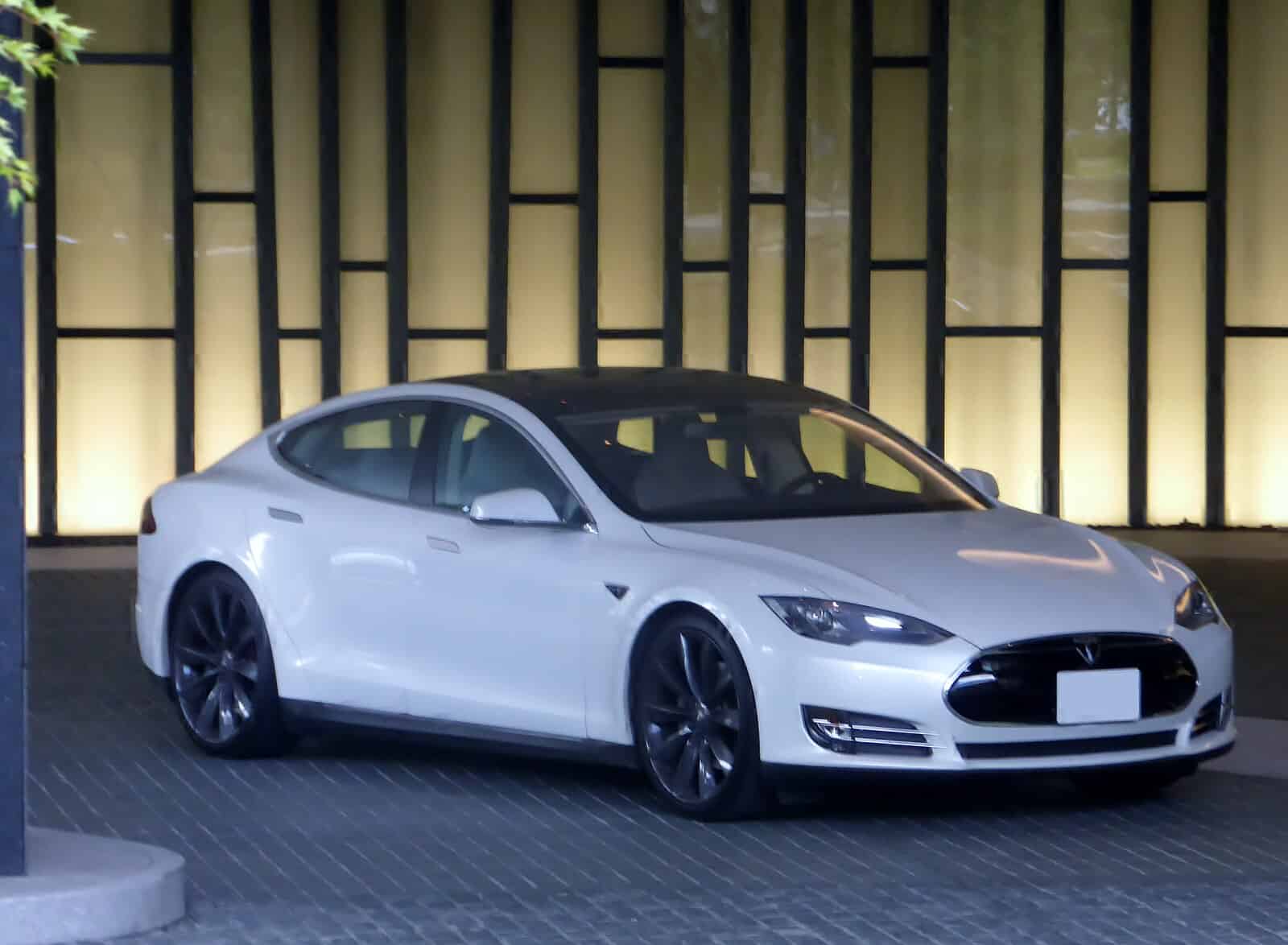
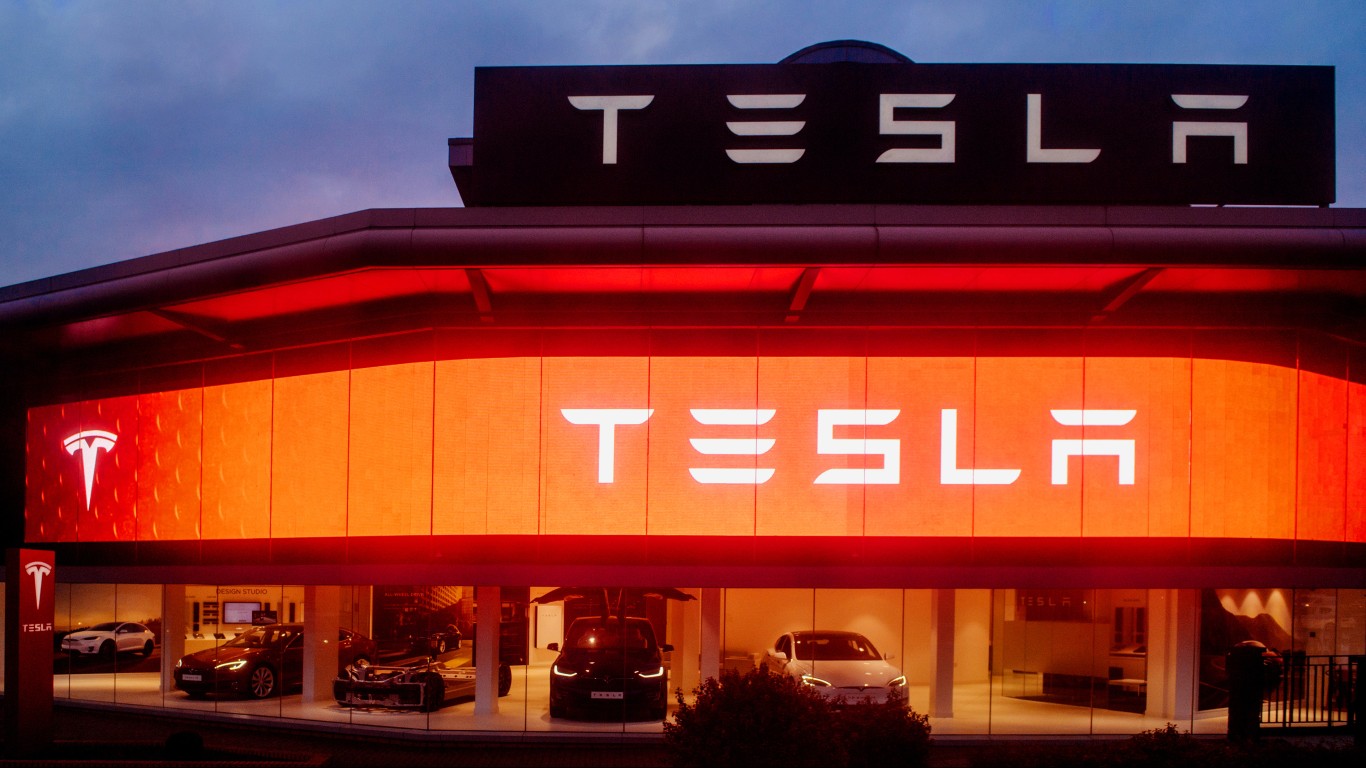
Tesla Inc. (NASDAQ: TSLA) recently received two pieces of bad news. The first is that it significantly missed Wall Street’s delivery targets. On a consensus basis, investors expected deliveries to be 449,808 in the first quarter. Tesla announced the number was 386,810. The second piece of news may have been based on a media mistake. Reuters reported Tesla would abandon making a $25,000 vehicle. Tesla CEO Elon Musk said the information was wrong.
The delivery news led some investors to believe that slowing electric vehicle (EV) sales and market share problems would cause Tesla a permanent issue and affect its future revenue. The news about the end of plans for a $25,000 model would mean that Tesla had abandoned the part of the EV sector that was expected to grow the most. High prices are considered a barrier to EV adoption. Chinese car makers have models that sell for under $15,000, and eventually, those vehicles will make it to the United States, United Kingdom, and European Union. They will also affect Tesla’s China sales. Reaction to Tesla’s new Cybertruck has been mixed.
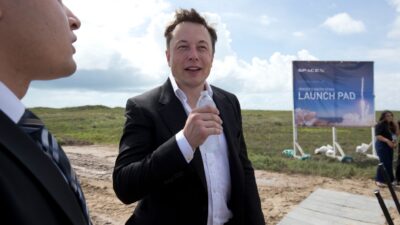
Tesla’s CEO, Elon Musk, made another statement about the company’s future, which may be among the most critical plans Tesla has announced in years. On August 8, Tesla will launch its “robotaxi.”
Autonomous driving vehicles have been the Holy Grail of the car industry, perhaps even more than EVs. Their technology means people can drive from place to place without human activity. This would free up hundreds of hours a year for individuals to do something other than sit at the controls of their cars. It also means that dangers from drunk driving and slow reflexes would no longer be a part of car and truck transportation.
The primary concern about autonomous driving is that it works less well than human-controlled cars. Whether that is true today is open to discussion. However, based on the billions of dollars invested in the systems by some of the world’s largest tech companies and car manufacturers, this technology is already in thousands, if not tens of thousands, of vehicles. And it is improving.
Tesla has an edge over many of its autonomous-driving rivals. It has collected data from millions of its cars, including ways to improve its systems, and mapped millions of miles of roads. Tesla already sells “Full Self-Driving Capability” for $12,000. Comments by Tesla executives point to the fact that this is a popular feature.
The race for dominance in the car industry’s future has turned from EVs to autonomous cars. If Musk can take an early lead in offering this at an attractive price point, Tesla’s stock could get back on track.







 Top Gaining Stocks
 Top Losing Stocks