


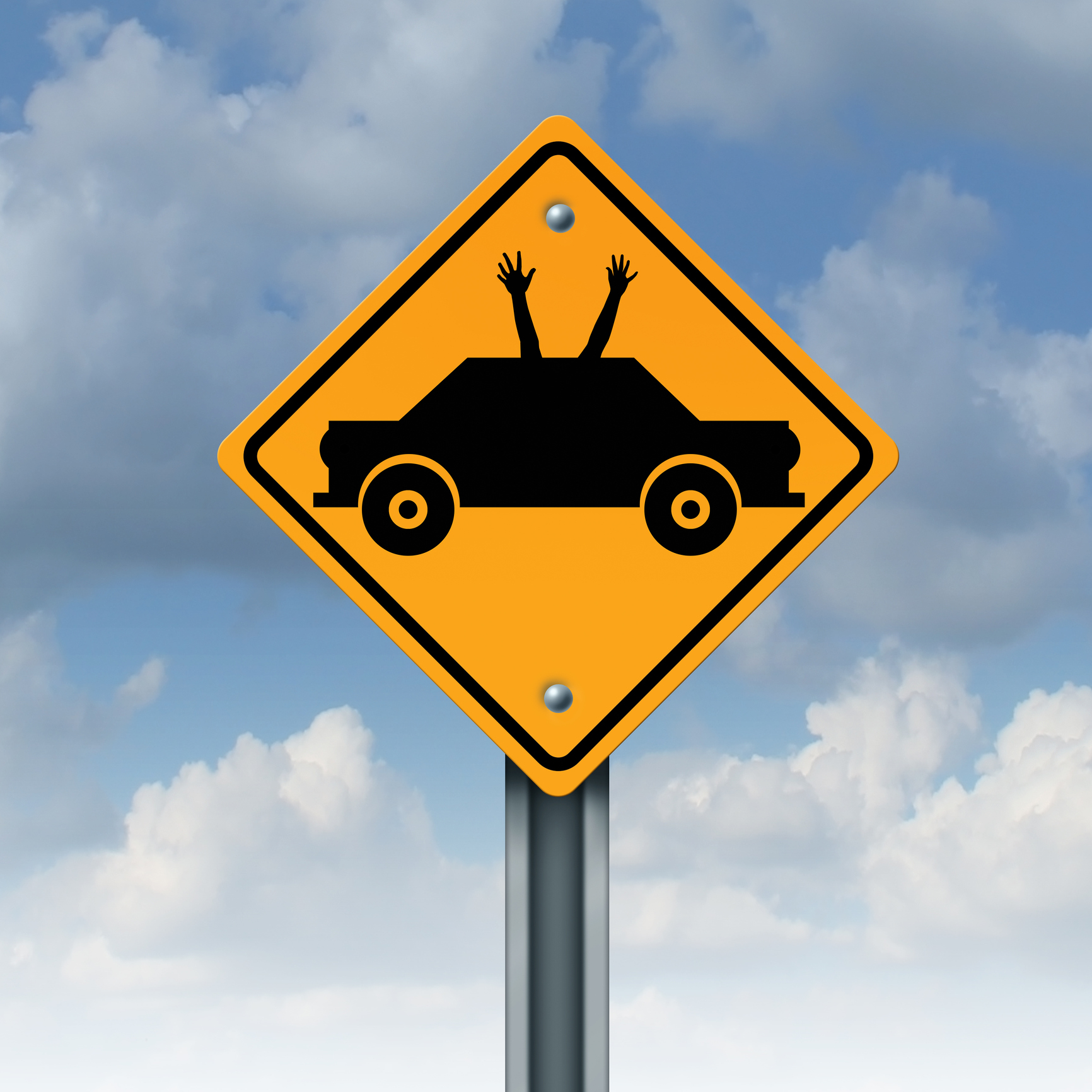
One of the more well-publicized benefits of a self-driving car is that the occupants of such a vehicle will be able to use that time productively. For an average American, that amounts to about an hour a day currently spent behind the wheel of a car driving to and from work, school and soccer games, among other things.
The question, then, is what would people do with that extra hour if they did not have to sit behind the wheel and use the pedals and turn signals to get where they are going. Researchers Michael Sivak and Brandon Schoettle at the University of Michigan asked that question in 2014 of 3,255 people from the United States, Australia, China, India, Japan and the United Kingdom.
The most common response was, “Watch the road even though I would not be driving.” In other words, worry. Nearly 36% of U.S. drivers said they’d be watching road, while 44% of U.K. occupants, 43% of Australian occupants and 36% of China’s said the same thing.
Add that number to the 23% of Americans who said they wouldn’t even ride in a self-driving vehicle, and nearly 60% of current U.S. drivers and passengers would likely not be more productive.
[nativounit]
Among the 40% of Americans who would get into a driverless vehicle and not spend the entire trip worrying, nearly 11% said they would read, about 10% said they’d talk or text with friends and family, nearly 7% said they’d sleep. Less than 5% say they would work.
The researchers are careful to note that although the data are based on a 2014 survey, their conclusion is based on data collected in three annual surveys:
The percentages of those in the U.S. who said that they would be very concerned about riding in self-driving vehicles were 36% in 2014, 36% in 2015, and 37% in 2016.
These are just the worriers, not the ones who wouldn’t even get in such a vehicle. There were also concerns about increased motion-sickness and occupant protection issues.
Sivak and Schoettle conclude:
Consequently, the hoped-for increased productivity in self-driving vehicles would materialize only if the following are achieved: (1) an increased confidence of occupants in self-driving vehicles, which would allow them to be more interested in performing productive tasks while riding in such vehicles; (2) addressing the inherent motion-sickness problem; and (3) solving occupant-protection issues related to nontraditional seating positions and postures, and untethered objects becoming projectiles during crashes (or potentially being placed between the occupants and their airbags).
Also of importance is the fact that current trips in light-duty vehicles average only about 19 minutes—a rather short duration for sustained productive activity or invigorating sleep.
[wallst_email_signup]







 Top Gaining Stocks
 Top Losing Stocks