


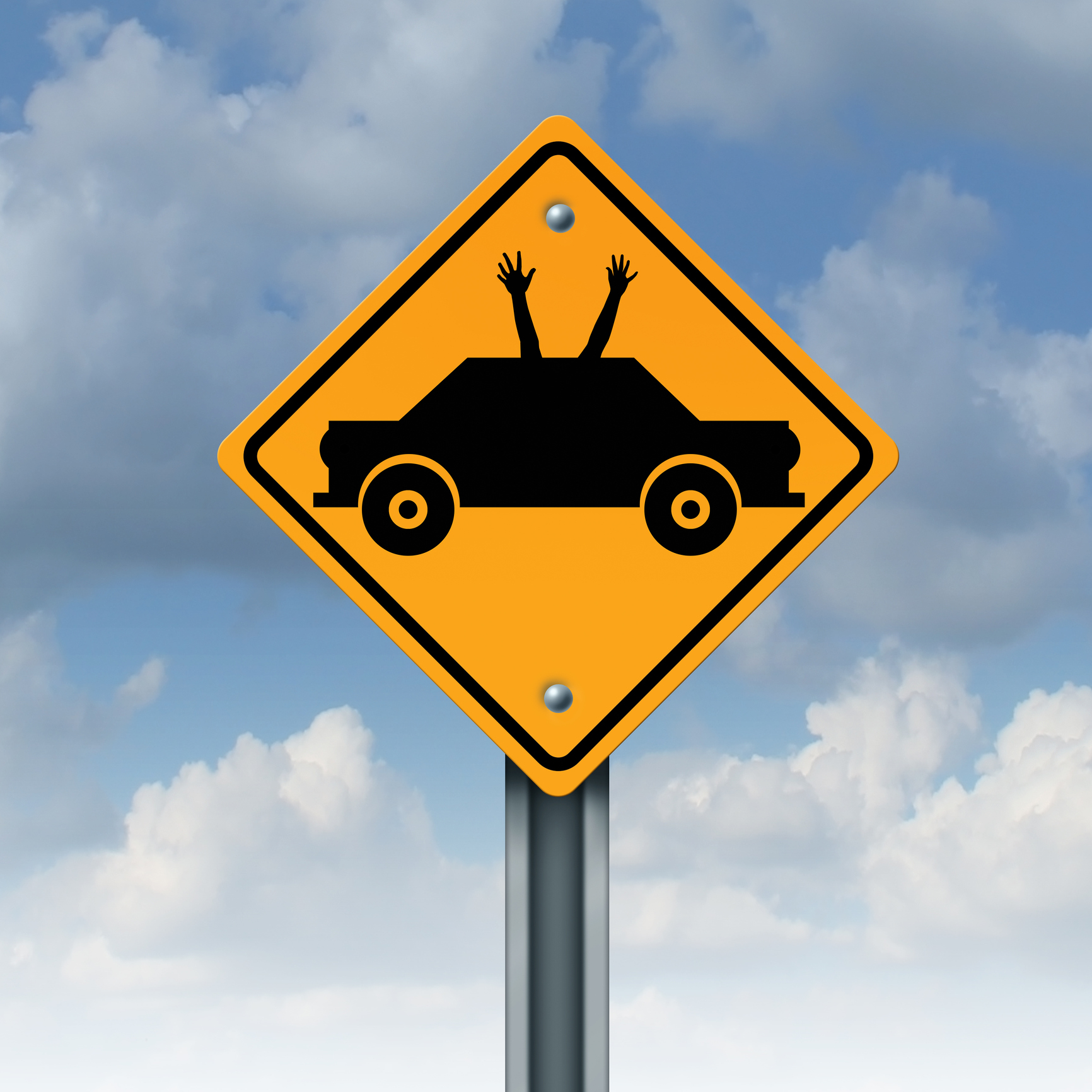
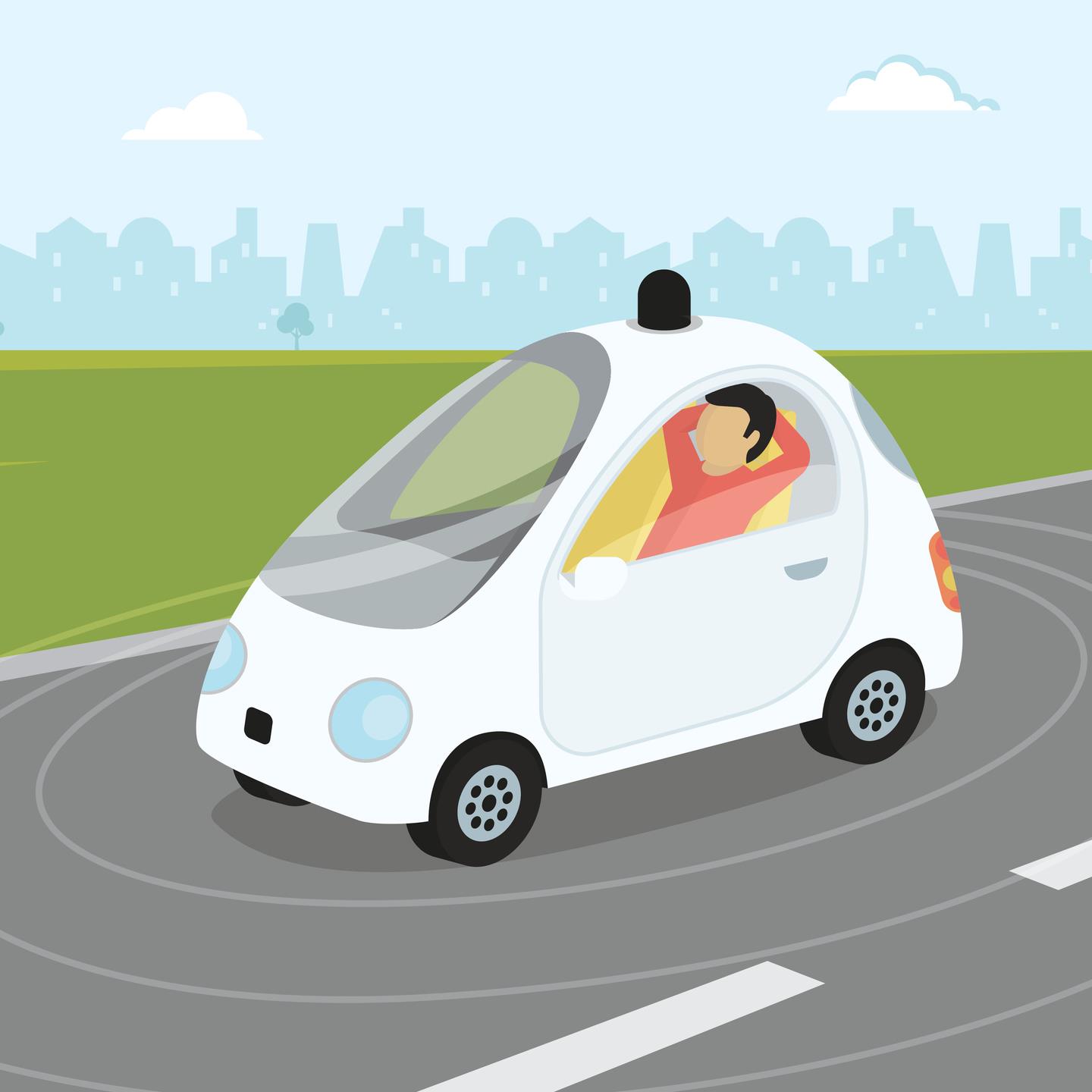
[cnxvideo id=”655423″ placement=”ros”]While U.S. drivers remain overwhelmingly reluctant to ride in a self-driving (autonomous) car, more than half (59%) would welcome autonomous driving features in their next car. Americans want self-driving technology, but they also want to control it.
The percentage of Americans who say they are afraid to ride in a self-driving car is 75%, according to a report Tuesday from AAA. That is the same as the total from last year’s AAA survey on the same subject.
Greg Bannon, AAA’s director of automotive engineering and industry relations, said:
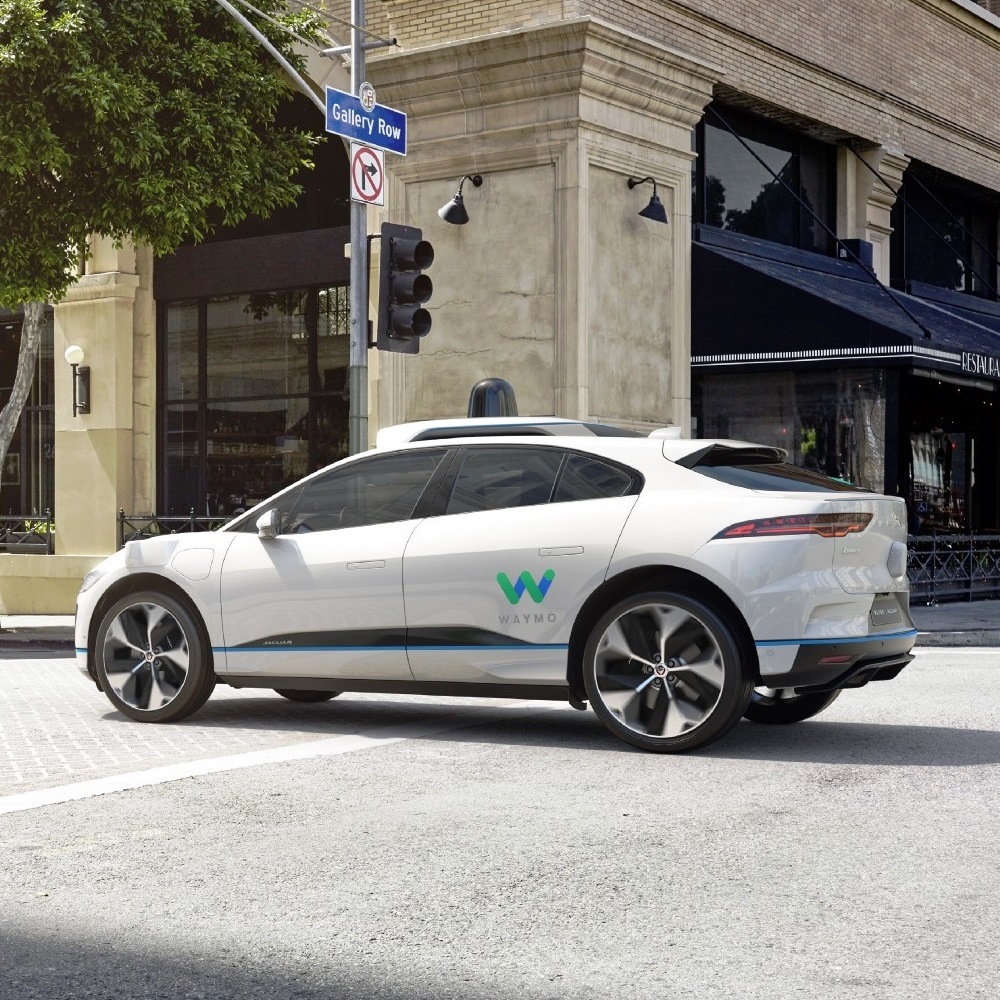
A great race towards autonomy is underway and companies are vying to introduce the first driverless cars to our roadways. However, while U.S. drivers are eager to buy vehicles equipped with autonomous technology, they continue to fear a fully self-driving vehicle.
[nativounit]
More than half (54%) of U.S. drivers feel less safe at the prospect of sharing the road with a self-driving vehicle, while one-third (34%) feel it wouldn’t make a difference and only 10% say they would feel safer. In this regard Bannon noted:
U.S. drivers may experience the driver assistance technologies in their cars today and feel they don’t work consistently enough to replace a human driver – and they’re correct. While these technologies will continue to improve over time, it’s important that consumers understand that today’s systems require your eyes on the road and your hands on the wheel.
Here are a few data points from the AAA study:
- Women (58%) are more likely to feel less safe than men (49%).
- Baby Boomers (60%) are more likely to feel less safe than Generation X (56%) or Millennials (41%).
- Baby Boomers (85%) are more likely to be afraid than Millennials (73%) or Generation X (75%) drivers.
- Women (85%) are more likely to be afraid than men (69%).
- Millennials (70%) are the most likely to want the technologies, compared to Generation X (54%) and Baby Boomers (51%).
So, older drivers will be more reluctant to change than younger ones. That’s not news really. What could be news is that even though younger drivers are less skeptical about autonomous technology, they are also more likely not to buy cars. Is the auto industry shooting itself in the foot by developing autonomous technologies?
[wallst_email_signup]







 Top Gaining Stocks
 Top Losing Stocks