


When many, maybe even most, Americans go shopping for a new car, a significant question is how much the monthly payment on that car is going to be. With the average price of a new car at nearly $34,000, most of us will choose to finance a new car purchase.
The length of that financing term is the primary determinant of our monthly payments. Both the trade-in value and the amount of cash we put down up front matter, of course, but a four-year loan with a beginning balance of $30,000 results in a monthly payment of $688. An eight-year loan with the same beginning balance carries a monthly payment of $377.
The longer you use someone else’s money, the more interest you pay, so the four-year loan will cost you $3,095 in total interest payments while the eight-year loan will cost $6,173, nearly double. Another downside to very long-term new-car financing is the amount of time that it takes you actually to own some equity in the vehicle. Our rundown of seven- and eight-year auto loans is worth a look if you are considering one of these very long-term loans.
We also have taken a look at 12 cars you may never want to buy new because they lose around a third of their value in just one year. On the other side of that coin, though, are new cars that retain their value better than average over the first year.
[nativounit]
The overall average value decline on a new car one year after it is purchased is 21.2%. The researchers at iSeeCars.com found 10 cars that saw their values drop the least after a year. The list is dominated by pickups and sport utility vehicles, both of which are in high demand currently. Their sticker (2016 manufacturer’s suggested retail price, or MSRP) prices are also high, but the good news is that they hold onto that value. Here are the 10 cars you should buy brand new.
- Chevrolet Colorado: MSRP of $33,245; 7% value loss of $2,311
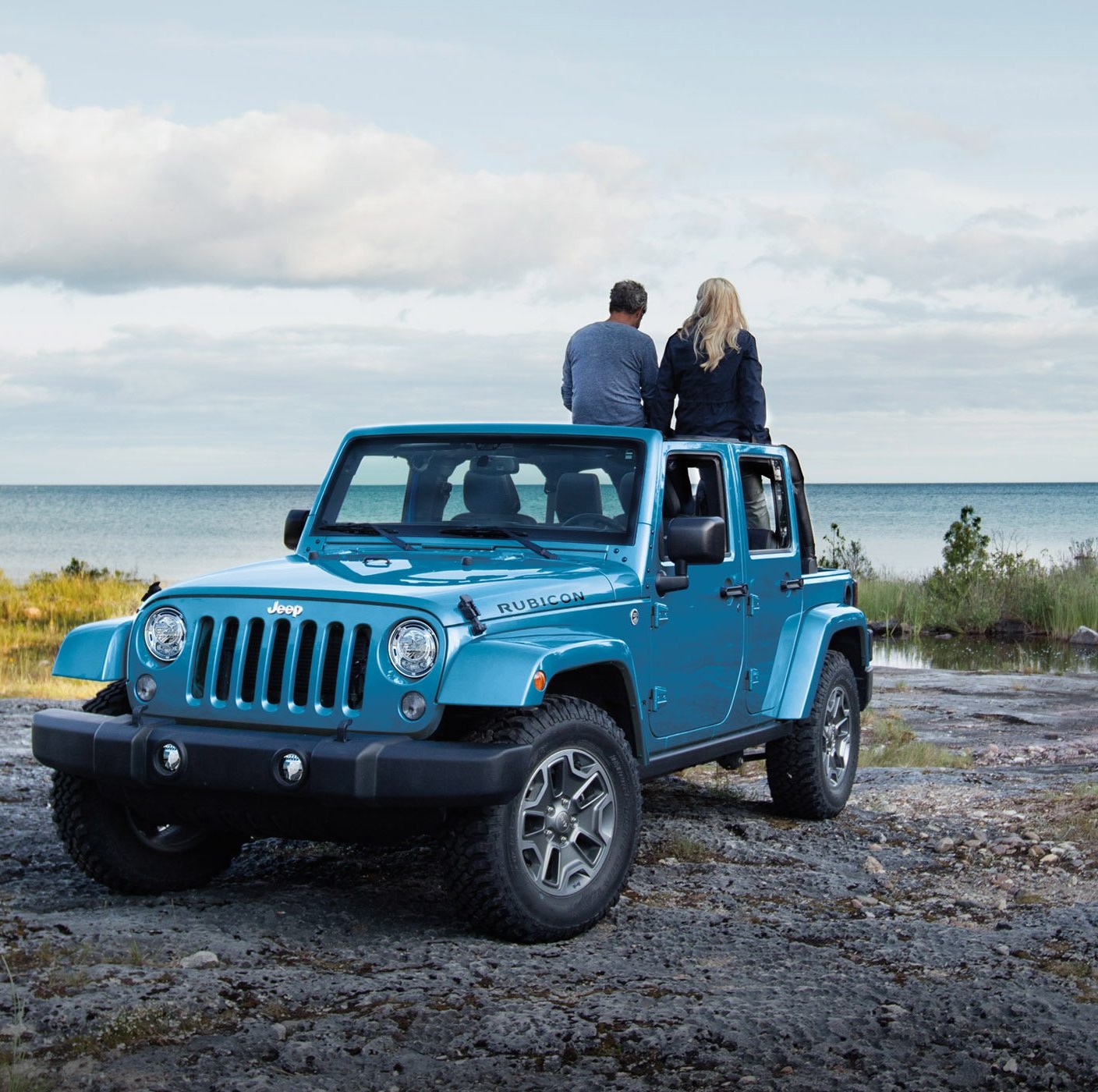
- Jeep Wrangler Unlimited: MSRP of $45,360; 8% value loss of $3,076
- GMC Canyon: MSRP of $26,470; 8.1% value loss of $2,860
- Honda Fit: MSRP of $19,435; 8.1% value loss of $1,495
- Nissan Frontier: MSRP of $33,615; 8.8% value loss of $2,415
- Subaru XV Crosstek (2015 model year): MSRP of $25,628; 9.2% value loss of $2,393
- Subaru WRX: MSRP of $23,552; 9.2% value loss of $3,048
- Subaru Impreza: MSRP of $41,218; 10.3% value loss of $2,321
- Toyota Highlander: MSRP of $40,547; 10.4% value loss of $4,131
- Land Rover Range Rover: MSRP of $119,165; 10.6% value loss of $11,817
Other benefits to buying a new car, especially one from this list, are that you get a full-term warranty and with that the peace of mind that comes with no undisclosed history. The trade-off, of course, shows up in the price of the vehicle.
[wallst_email_signup]
Methodology:
iSeeCars.com analyzed over 14 million cars sold between August 1, 2015 and July 31, 2016. New cars included in the analysis were from model years 2015 and 2016. Lightly or 1-year-old used cars were defined as vehicles from the 2014-2015 model years with mileage within 20 percent of 13,476, the average annual miles traveled in the U.S., according to the Department of Transportation. Models with fewer than 250 new and 250 used cars sold were excluded from the analysis. The average asking prices of the 1-year-old used cars were compared to those of new cars from the same model. The difference in price for each car was expressed as a percentage of the new model average price. This percentage was then compared to the overall percentage difference across all models. The models which had price differences of at least 1.5 times the overall average difference were included on the list of models to buy used. The 10 models with the smallest change in price were included in the list of cars to buy new.






 Top Gaining Stocks
 Top Losing Stocks