


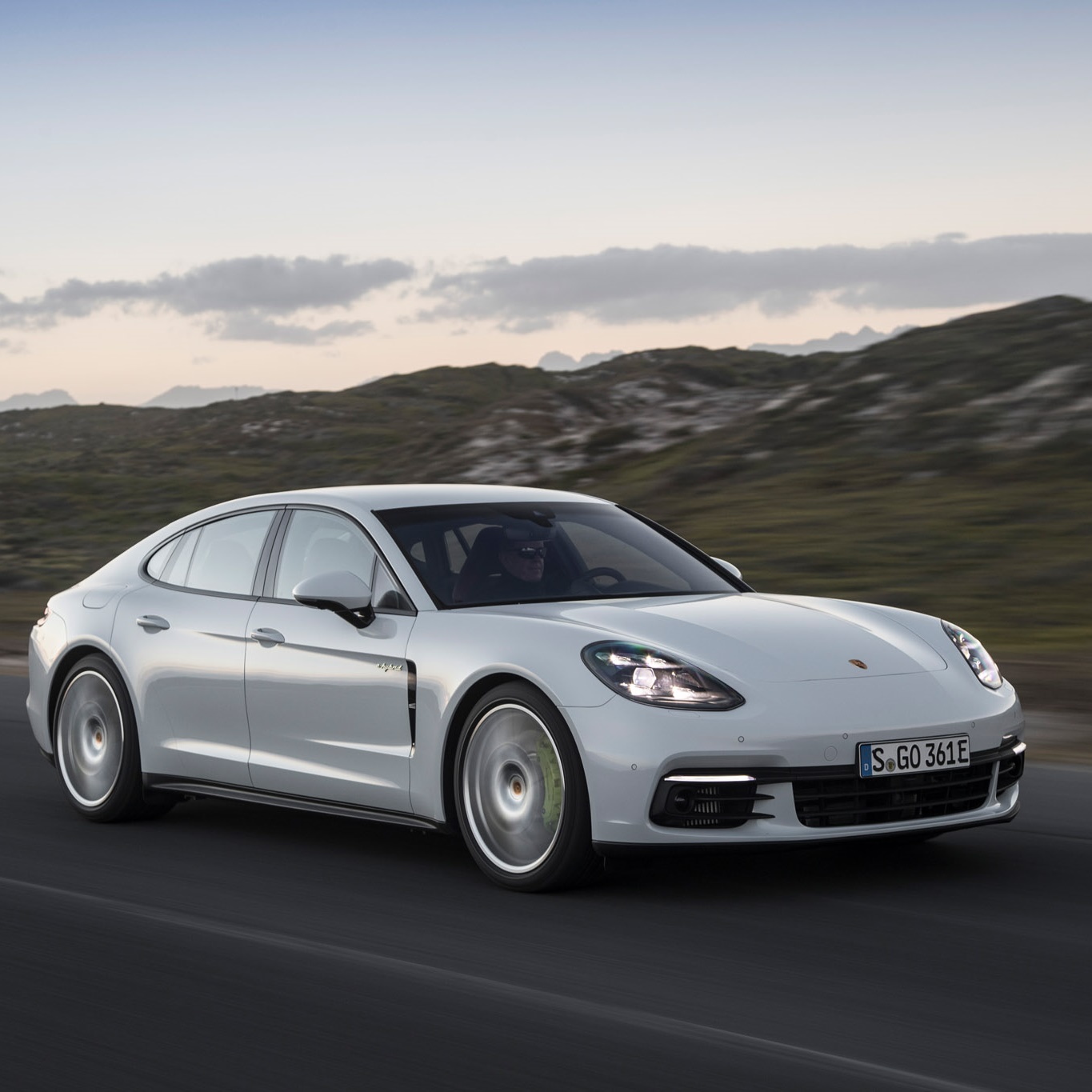
At the end of 2015, nearly 56% of all European passenger vehicles ran on gasoline. Another 41% ran on diesel fuel and just 2.8% used alternative fuels. Two of the continent’s healthiest markets for new cars have now set rules that will ban sales of gasoline- and diesel-powered cars beginning in 2040.
France led the parade, announcing its ban two weeks ago, and the United Kingdom announced the sales ban Wednesday morning. U.K. car registrations last year for gasoline- and diesel-powered cars ran at around 1.3 million for each fuel type. Alternative fuel vehicle sales totaled less than 100,000.
To say the 25-year goal is aggressive, both in France and Britain, may be an understatement. But the U.K. government has been losing in courtrooms over the levels of nitrogen oxides (NOx) produced by the country’s vehicle fleet and the country’s High Court has set a deadline of the end of July for the government to publish its plans for cleaning up Britain’s air. Most of the NOx pollution is caused by diesel-powered cars, taxis, vans, buses and trucks.
[nativounit]
The U.K.’s poor air quality has been estimated to be costing the country as much as £2.7 billion (about $3.5 billion) annually. The government’s environment secretary, Michael Gove, told BBC Radio 4:
We can’t carry on with diesel and petrol cars. It’s important we all gear up for a significant change which deals not just with the problems to health caused by emissions but the broader problems caused in terms of accelerating climate change.
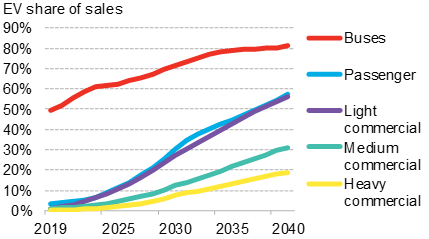
By 2030, Bloomberg New Energy Finance (BNEF) estimates that one in 12 cars sold in the United Kingdom will be electric from one in 200 today. The BNEF model calculates that 79% of new cars sold in Britain by 2040 will be electric, whether the country changes its policies or not.
Some carmakers — Daimler, for instance — have committed to producing diesel-powered vehicles in the years ahead, while others — notably Volvo — plan to sell no cars after 2019 that are solely fossil-fuel powered.
[wallst_email_signup]








 Top Gaining Stocks
 Top Losing Stocks