


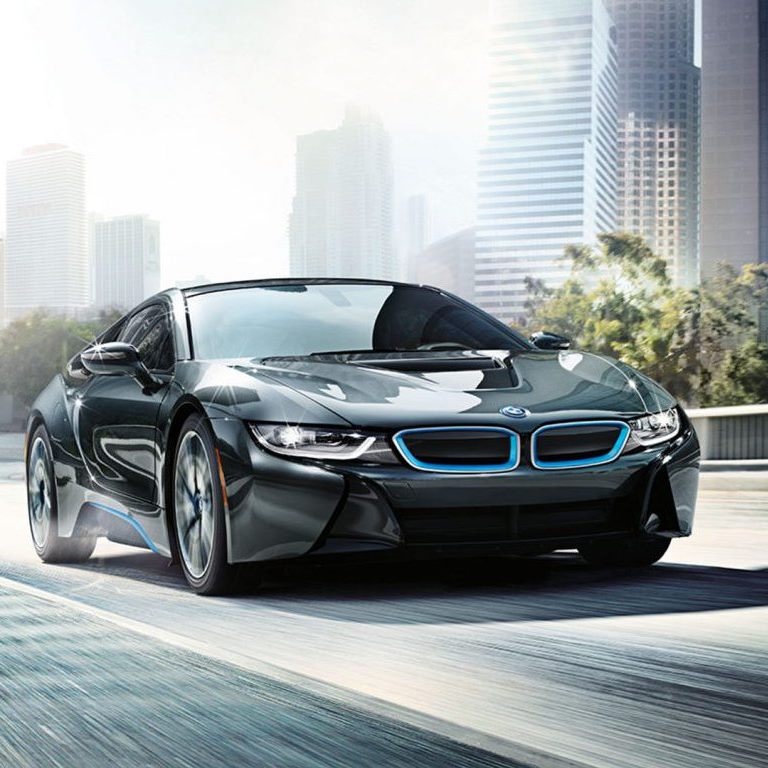
The blast of automakers introducing new all-electric vehicles (EVs) has intensified since early July when Volvo announced that all its cars beginning with model year 2019 would include at least some degree of electrification.
On Thursday, both BMW and Jaguar Land Rover announced that they would begin offering a wide range of electric vehicles beginning in 2020.
BMW said it would have 25 electrified vehicles by 2025, of which 12 will be all-electric, and that its plants would begin mass production of electric vehicles by 2020. Jaguar Land Rover, which is owned by India’s Tata Motors, plans to have all its models available in all-electric or hybrid versions by 2020.
Part of the impetus for the move is the move by local and national governments to ban sales of new fossil fuel-powered cars, as in Britain and France in 2040 and in cities like Madrid, Mexico City and Athens even sooner. China, too, has shown that it is serious about reducing Beijing’s legendary pollution levels by encouraging sales of electric vehicles.
[nativounit]
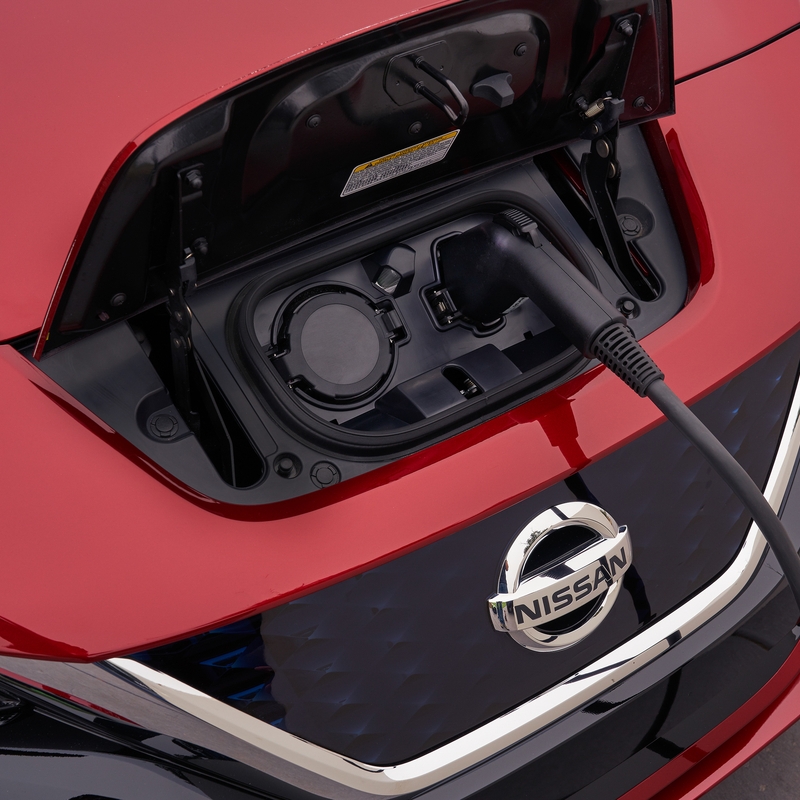
Tesla has begun production of its friendlier-priced Model 3, and earlier this week Nissan introduced its new 2018 all-electric Leaf with a shorter range and a lower price tag than either the Model 3 or GM’s Chevy Bolt that hit dealer showrooms beginning early this year.
Mercedes-Benz plans to unveil its EQA concept electric car for the mass market at next week’s Frankfurt Auto Show, and Volkswagen is also expected to take the wraps off its ID Crozz car.
[recirclink id=401223]
The transition to electric vehicles depends on equalizing (or nearly so) the total cost of ownership of an electric car compared to its rivals powered by gasoline or diesel. An internal combustion engine costs about a third as much as an electric car’s battery and drive train. A combination of incentives to buy electric vehicles and higher taxes on fossil-fueled cars (or an outright ban on these vehicles) along with improved battery technology will be needed to get buyers to the tipping point where sales of electric vehicles reach parity with their internal-combustion rivals.
That point is expected to arrive in Europe sometime between 2020 and 2030 and the continent may be totally battery electric by 2035, according to analysts at ING.
[wallst_email_signup]







 Top Gaining Stocks
 Top Losing Stocks