


New cars, sport utility vehicles and light trucks now offer a blizzard of options, including some from the automakers themselves and others that work in conjunction with products offered by third-party vendors. Buyer experiences with some of these options vary widely. In-vehicle navigation systems, for instance, are ignored by about 20% of new vehicle owners in favor of smartphone apps with which they are already familiar.
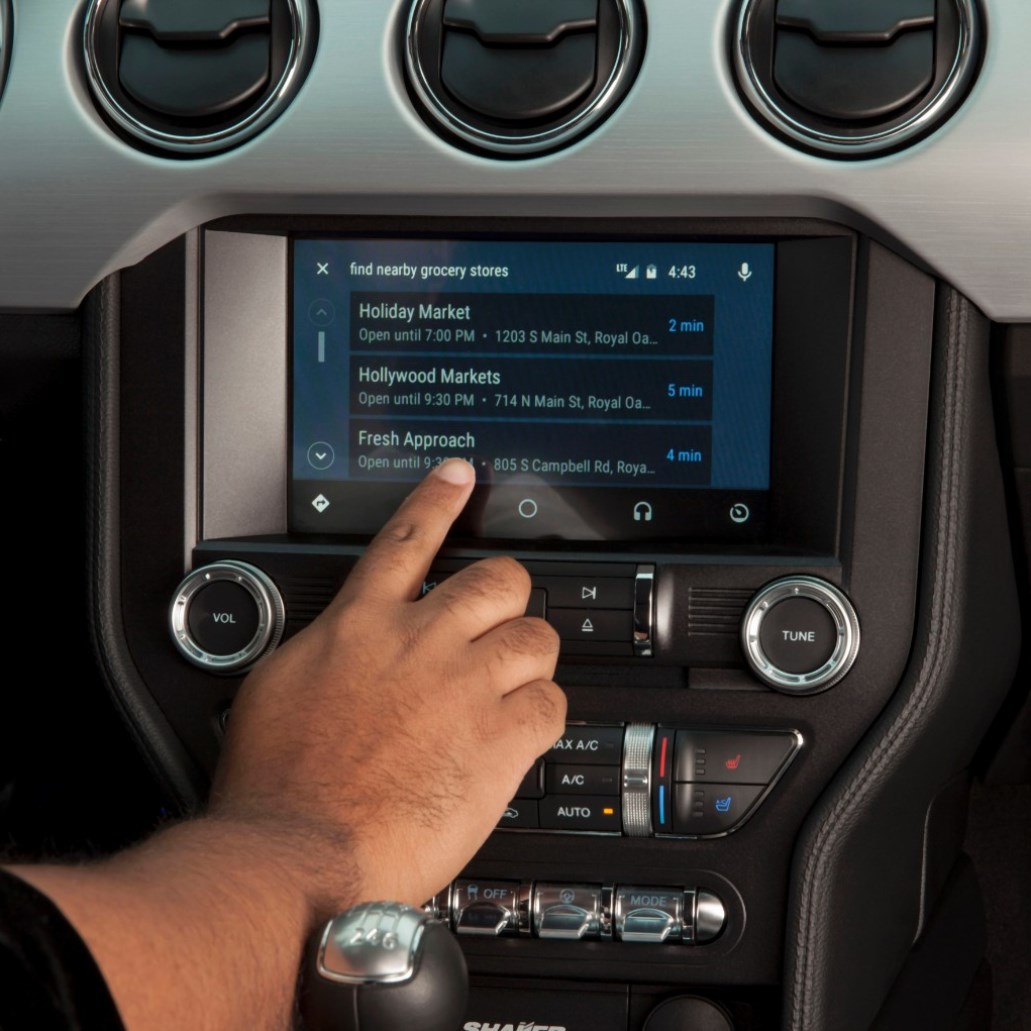
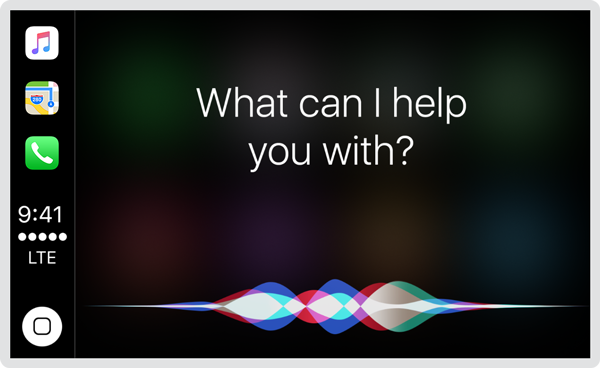
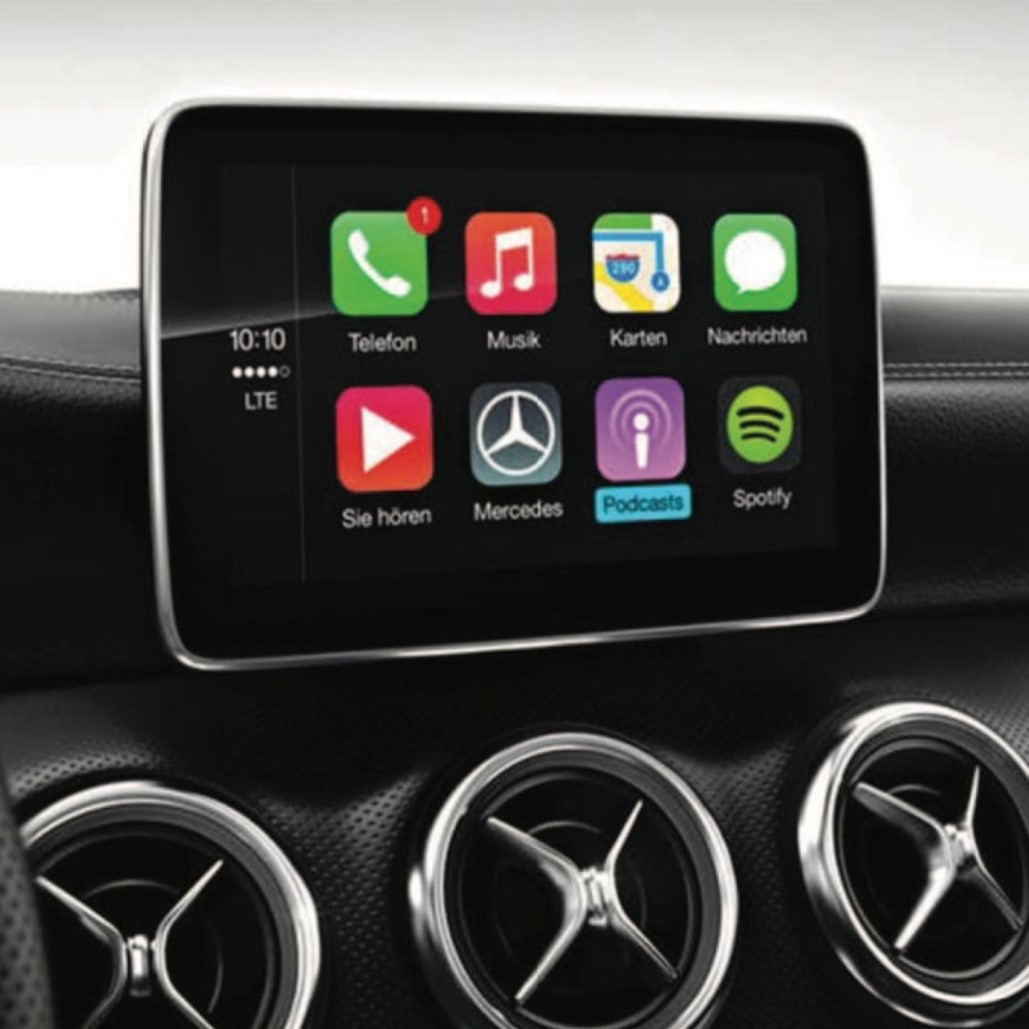
Buyer demand for in-vehicle systems that are the same as those they already know is a boon to smartphone vendors like Apple and Google. Compatibility with Apple CarPlay and Google Auto are rapidly becoming “must-have” technologies for new car buyers, according to the J.D. Power 2018 U.S. Tech Experience Index released Wednesday.
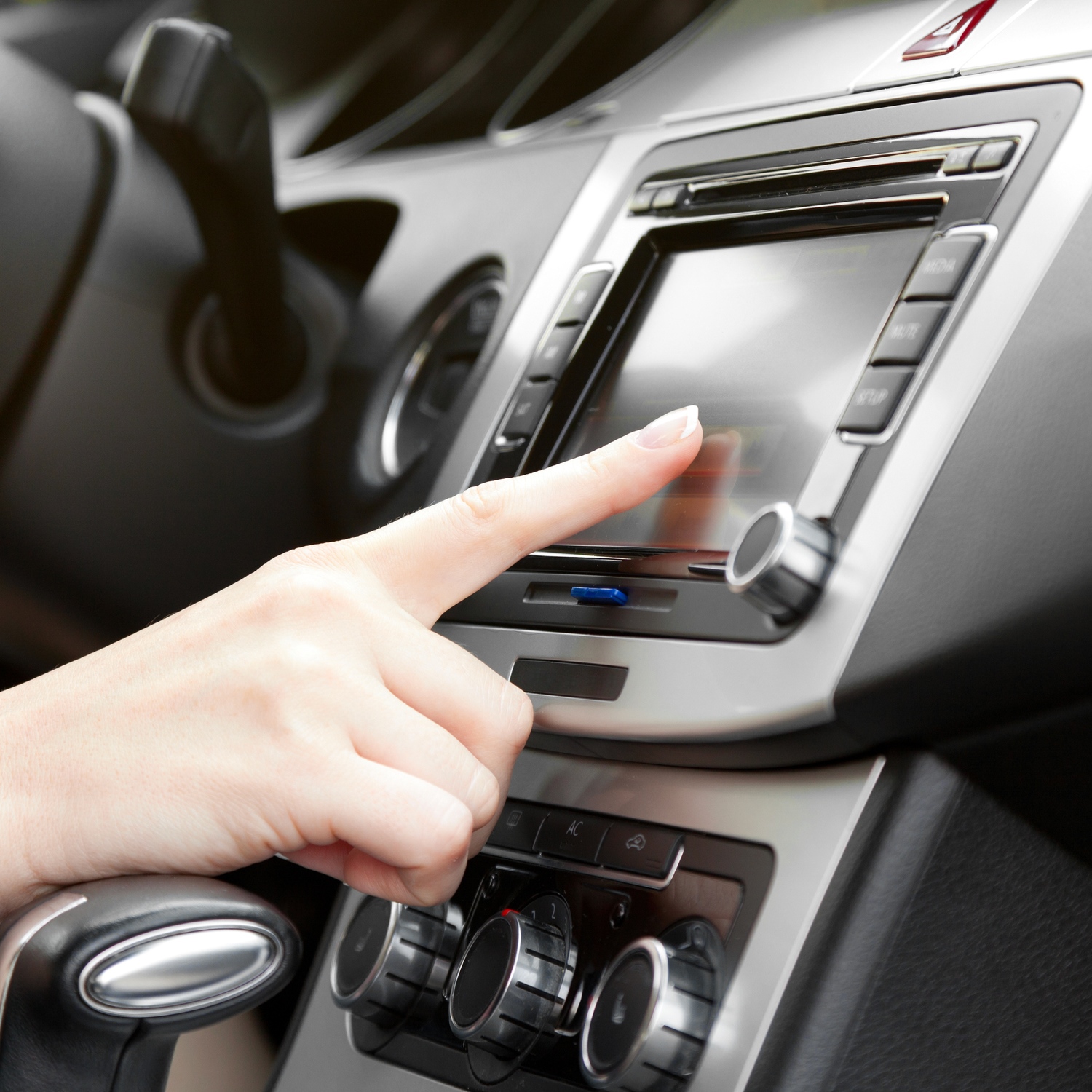
One feature that is especially popular with buyers is smartphone mirroring, a technology that allows drivers to connect their phones to the car’s infotainment system. Kristin Kolodge, J.D. Power executive director of driver interaction and HMI research, said:
This rapid adoption of smartphone mirroring is the unavoidable outcome of consumers thinking that automakers are being outperformed by smartphone software providers in certain areas. Most consumers consider phone systems better for navigation and voice recognition—and they’re free. ‘Better and free’ are hard to compete with, so automakers will inevitably have to cede this territory and will be much better served by focusing on areas where they are the exclusive provider—like driver assistance and collision avoidance—and continue to hone those systems.
[nativounit]
Apple CarPlay garners a score of 777 (out of a possible 1,000) for user satisfaction compared to Google Auto’s score of 748. On navigation systems, however, Google Maps is used by 56% of drivers compared with just 23% who use Apple Maps. Google’s Waze app is used most often by 16% of drivers.
For technologies specific to automakers, like lane-keeping and adaptive cruise control, usage varies by manufacturers, ranging from 46% to 67% for lane-keeping technology and 16% to 42% for adaptive cruise control. As the report notes, “Automakers that create systems that aren’t being used are making investments in technology that are unlikely to be successful.”
The report lists the top-ranked vehicle in six categories:
- Small vehicle: Hyundai Kona
- Compact vehicle: VW Tiguan
- Midsize vehicle: Honda Accord
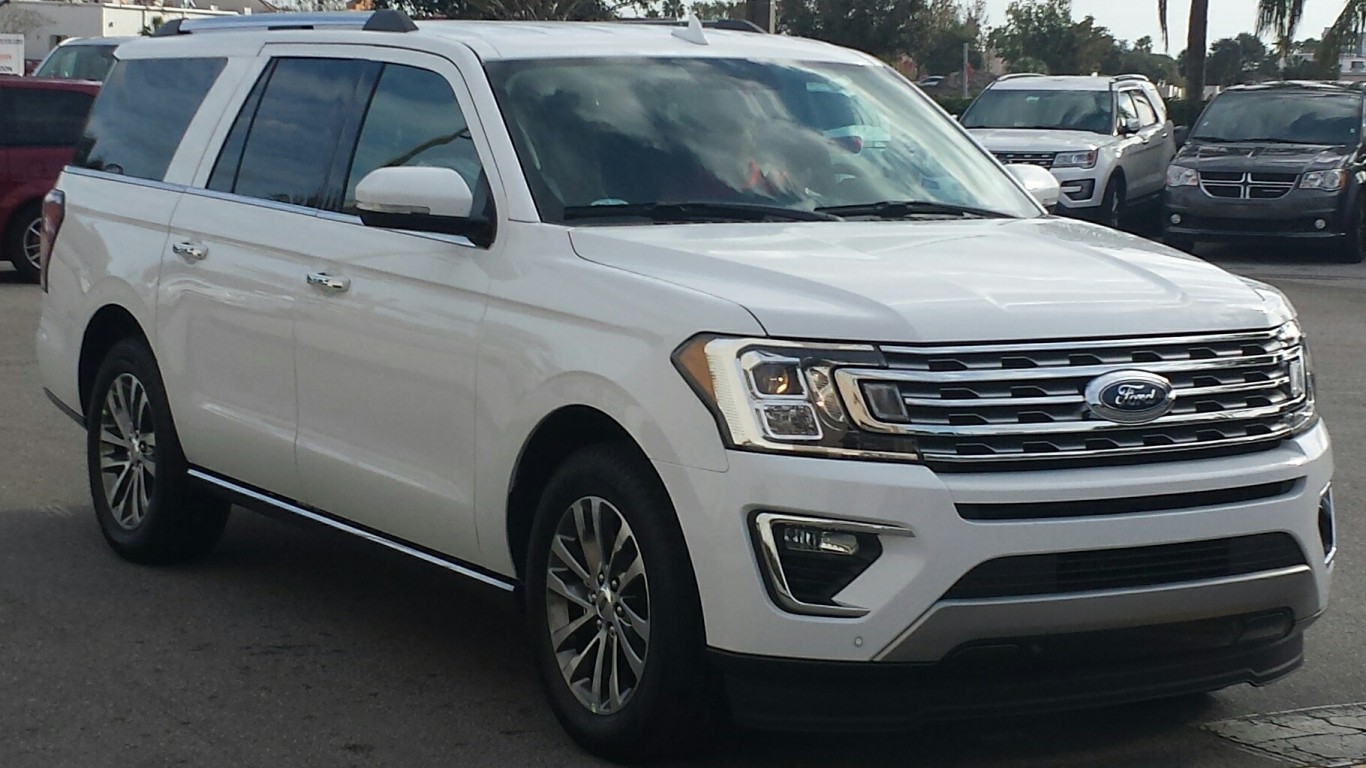
- Large vehicle: Ford Expedition
- Compact premium vehicle: Kia Stinger
- Midsize premium vehicle: Lincoln MKX
Full results of the study and more details are available at the J.D. Power website.
[recirclink id=489215]
[wallst_email_signup]






 Top Gaining Stocks
 Top Losing Stocks