


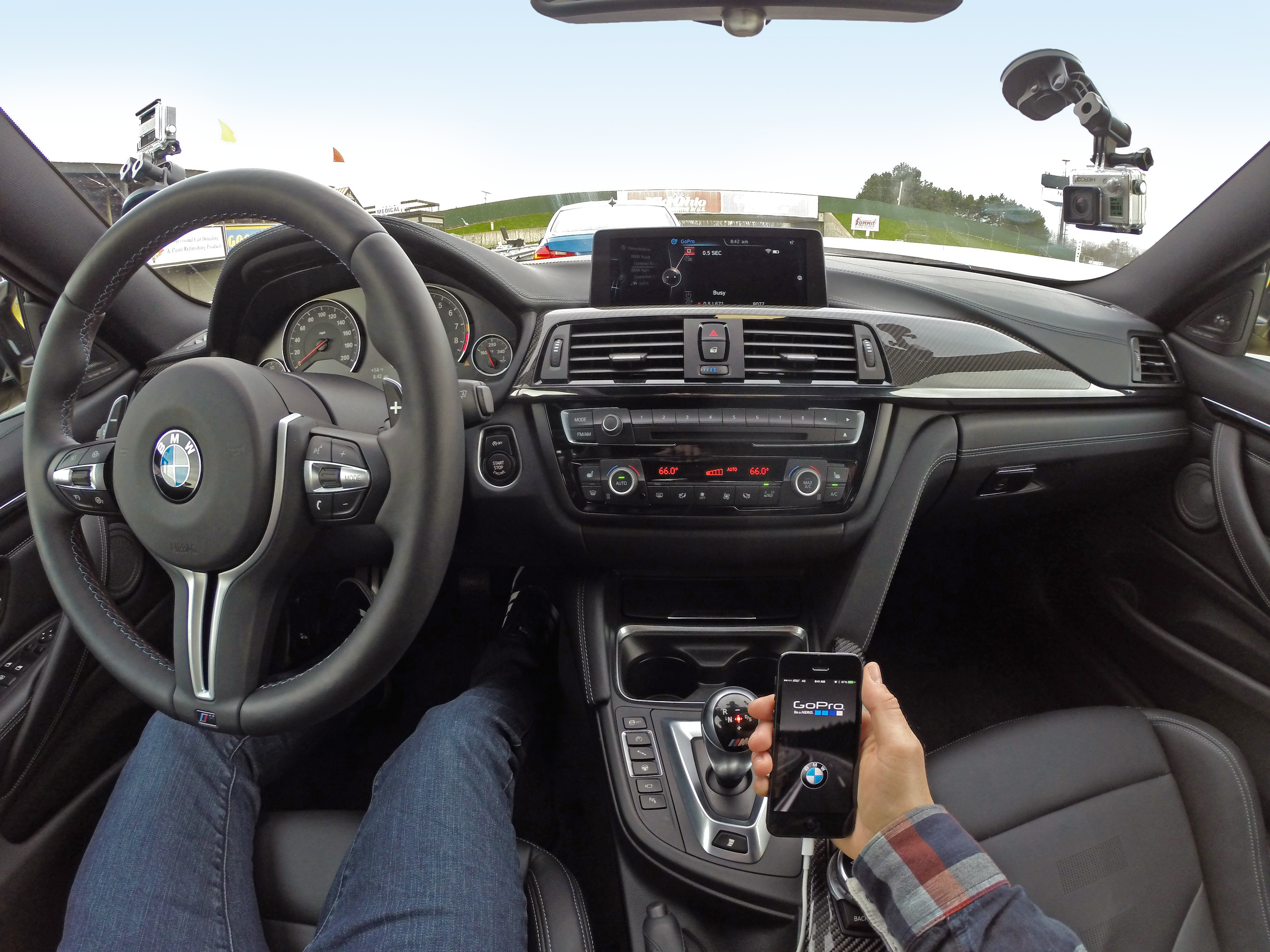
The editors at Kelley Blue Book have compiled a list of 10 “must-have” features from a survey of consumers conducted in the fourth quarter of 2013. The most desired feature, by 43% of those surveyed, was availability of USB/auxiliary ports. That’s hardly cutting edge technology, but it is basic, allowing drivers and passengers at least to charge their mobile devices while they are riding. It is also standard equipment on most compact and larger cars.
Vehicle diagnostics ranked second in the survey at 40%, and back-up/blind spot cameras tied with Bluetooth at 39% for the third spot in the rankings. Bluetooth supports hands-free calling and texting and is available as standard equipment on most compact and larger cars. Blind-spot and back-up cameras are rarely standard equipment, but are available as options on some compact cars and most larger cars as well.
Premium sound systems and a recall advisor both scored 33% among those surveyed, while driving directions was a must-have for 28% of new car buyers. Stolen vehicle recovery/immobilization systems were listed as must-haves by 26% of buyers. Collision sensors were rated must haves by 25% of buyers and satellite radio closed out the top 10 with 21% calling it a must-have.
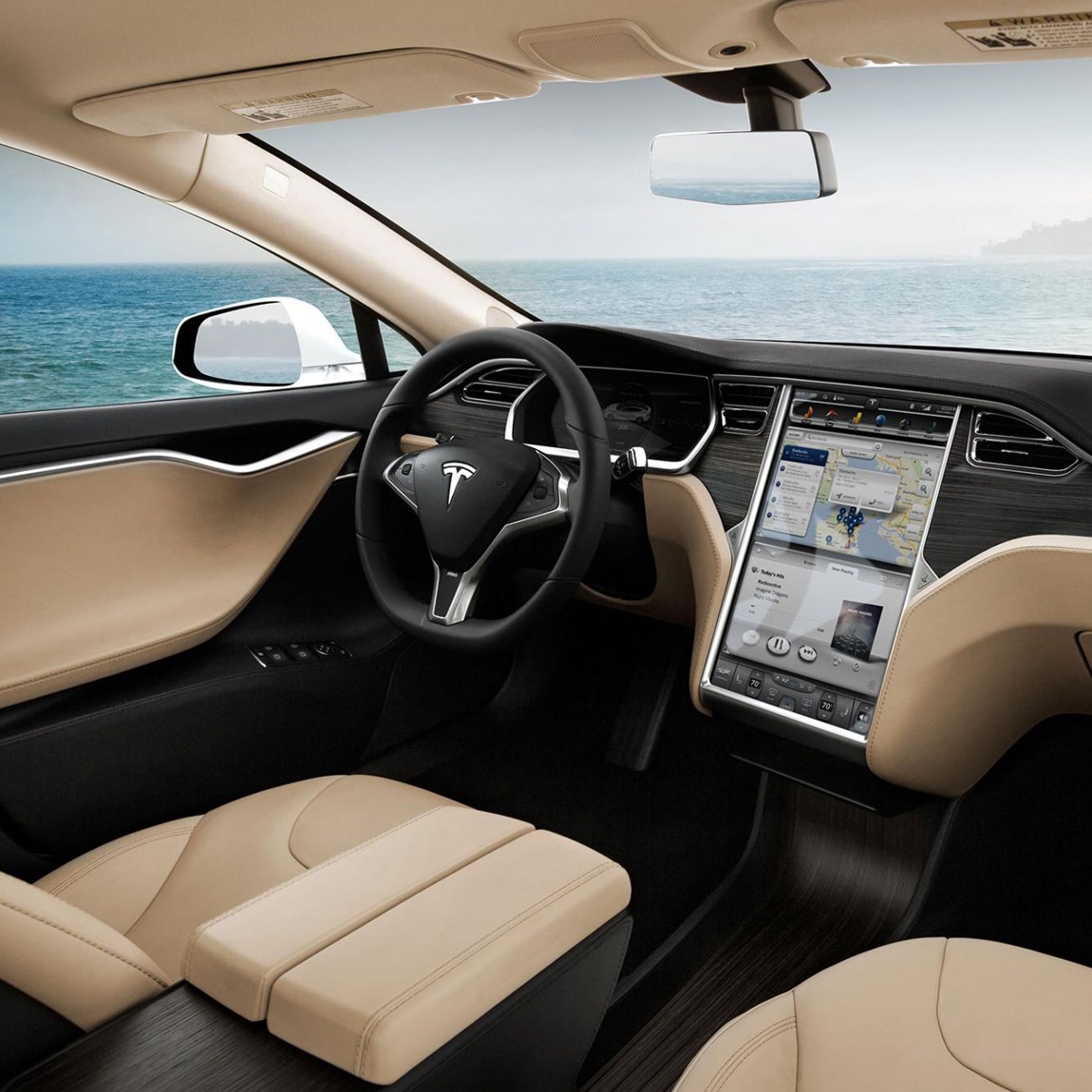
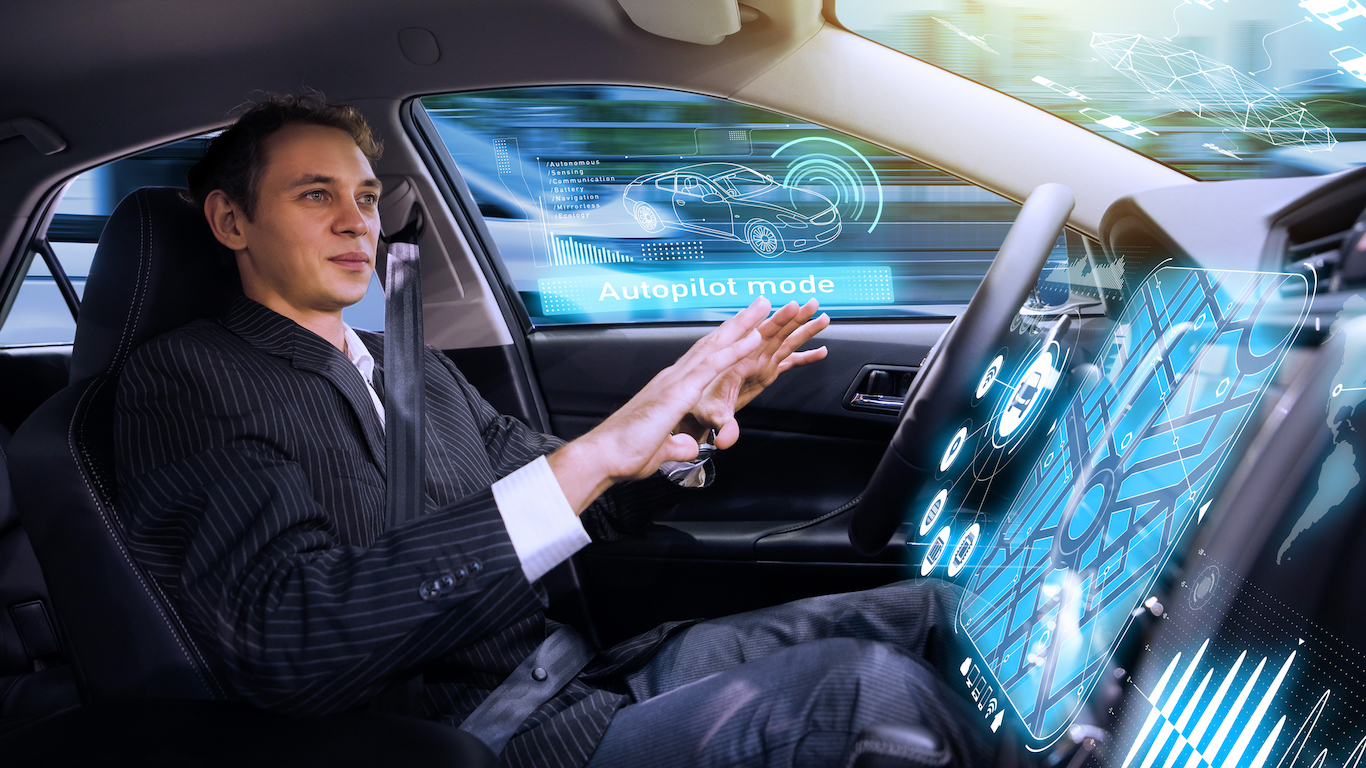
Many automakers are already incorporating some of the safety technologies into their new cars, but at relatively steep prices. Lane Departure Warning, Forward Collision Warning, and other advanced driver assistance systems (ADAS) are already available. Honda Motor Co. Ltd. (NYSE: HMC) offers an auto-pilot feature called Lane Keeping Assist on a couple of its Acura models. General Motors Co. (NYSE: GM) offers a variety of ADAS on some Cadillac models at package prices ranging from $3,000 to $6,000. Ford Motor Co. (NYSE: F) demonstrated its vehicle-to-vehicle technology at this year’s Consumer Electronics Show and how it could be used to supplement ADAS technologies to help avoid collisions. Tesla Motors Inc. (NASDAQ: TSLA) makes “repairs” to its cars by having owners download new software over the car’s integrated, always-on IP connection.
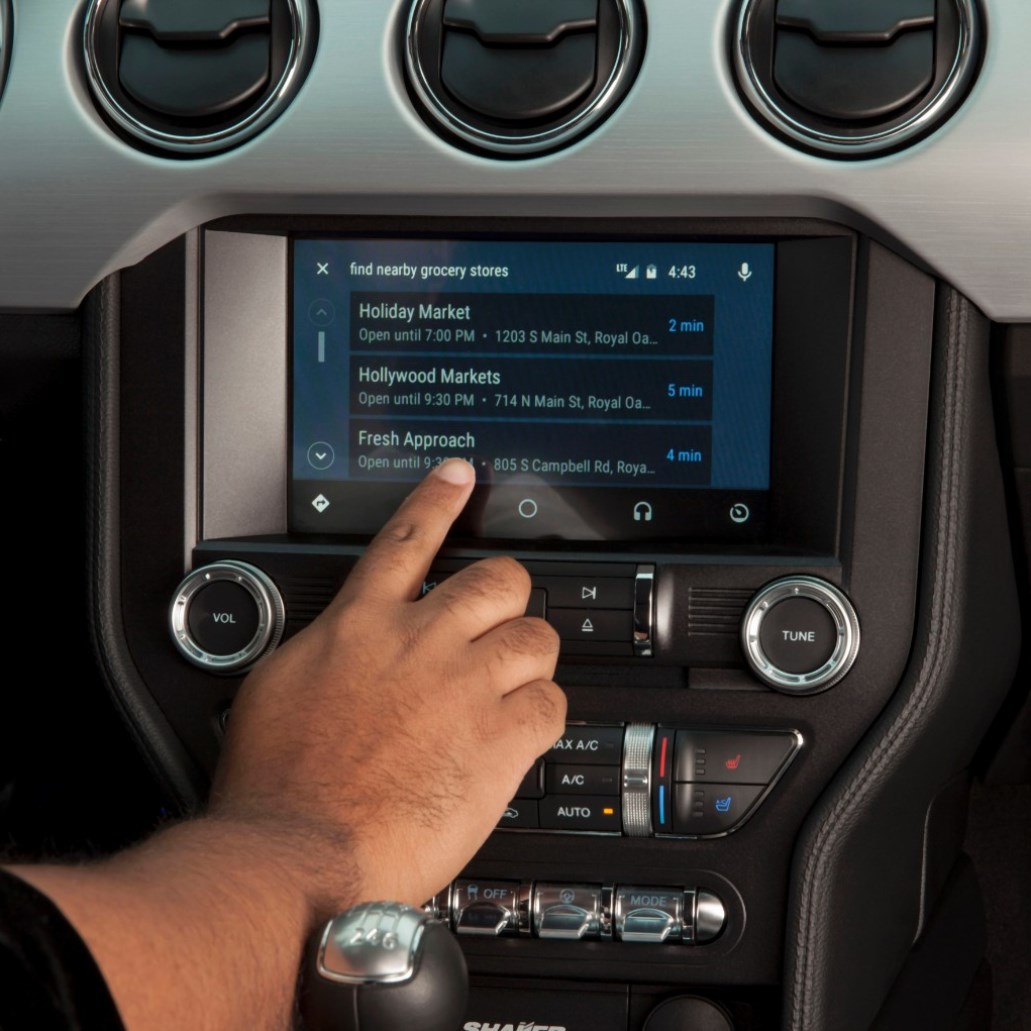
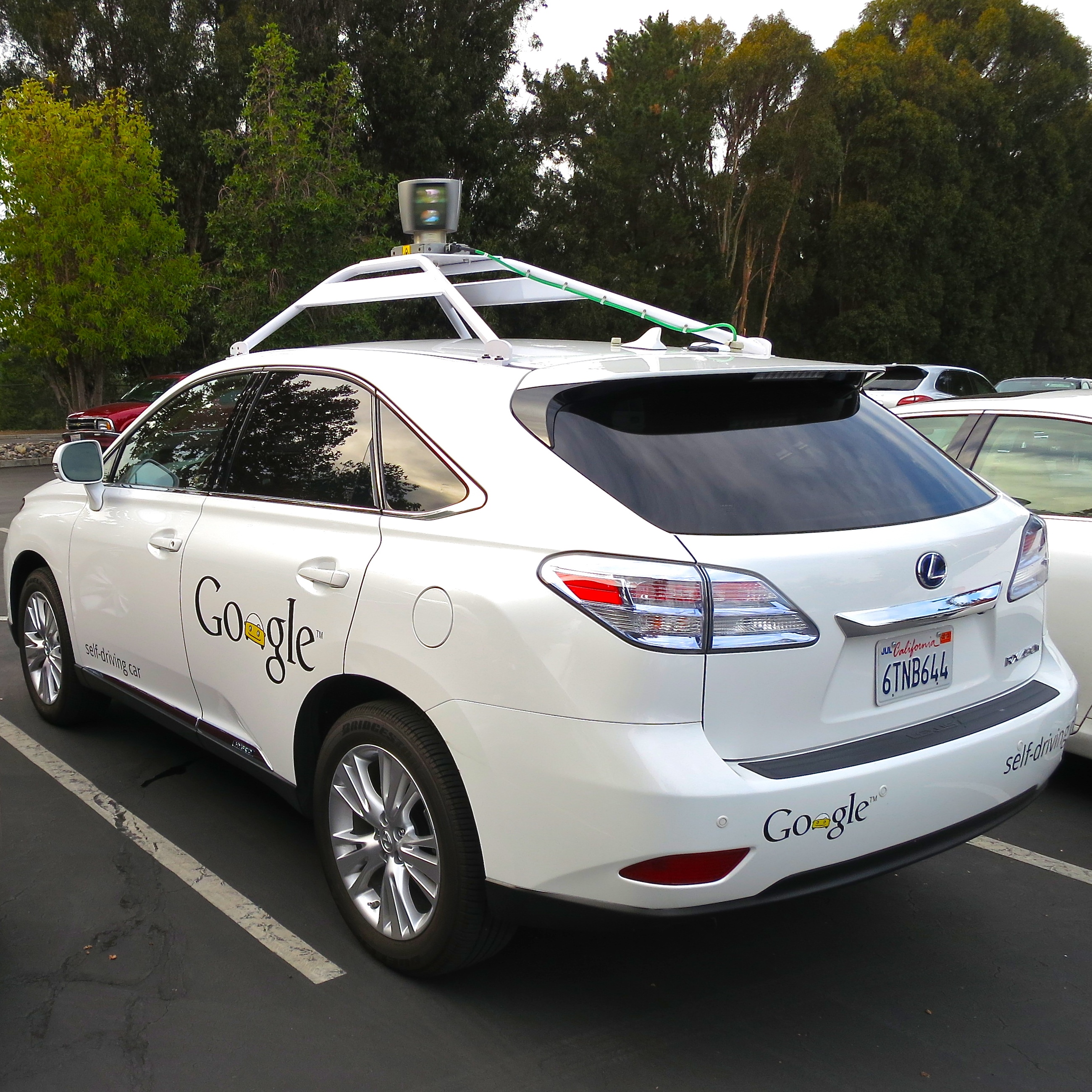
While the automakers are incorporating the systems into their cars, the technology is either open source or tied to a technology company like Apple Inc. (NASDAQ: AAPL) and Google Inc. (NASDAQ: GOOG). The user interface for a lot of new in-car technology closely follow interfaces the tech companies have developed for smartphone and tablets, and most new car buyers already know how to use those gadgets. As the links between computer technology and cars get deeper and more pervasive, cars will become both safer to drive and more like a living room on wheels.
ALSO READ: Top Stocks to Buy for the Connected Car Growth Theme







 Top Gaining Stocks
 Top Losing Stocks