


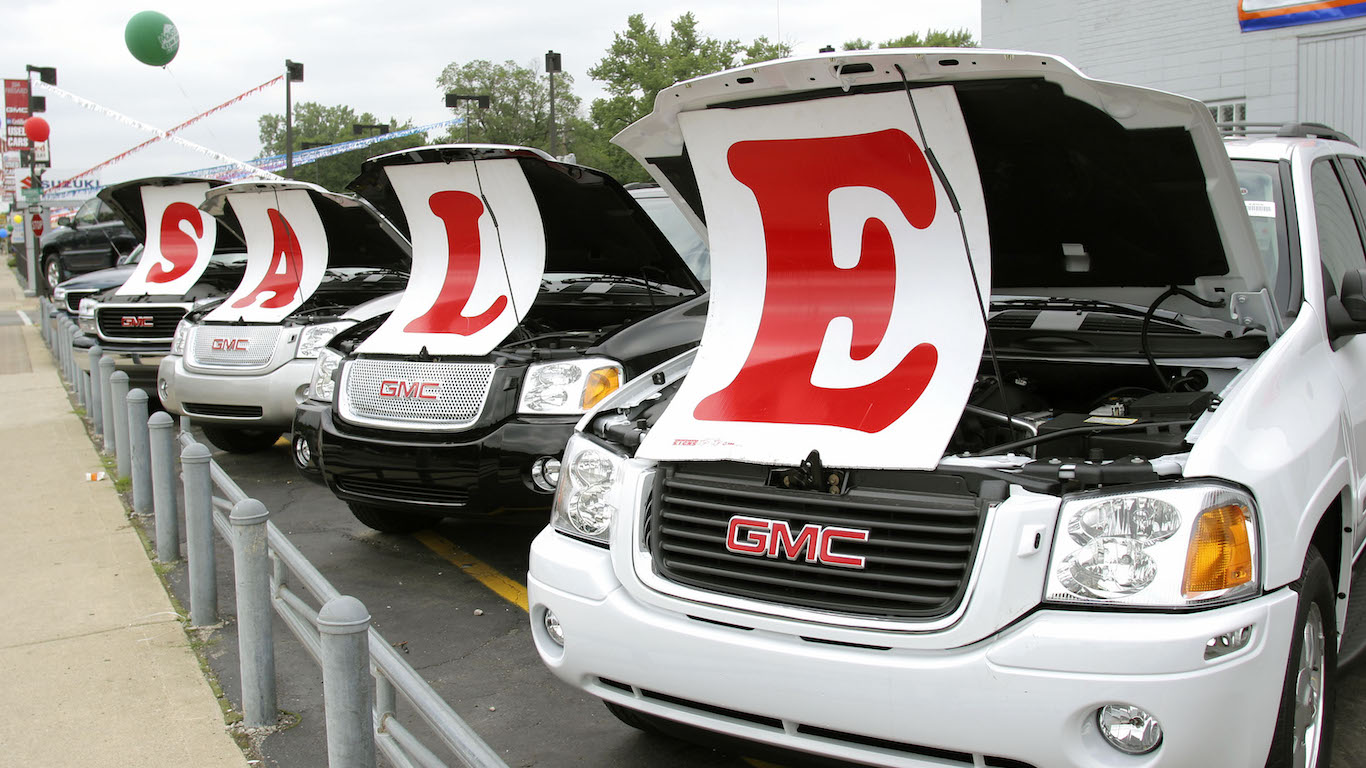
The cars on offer today are certainly not your grandfather’s Oldsmobile, but buying one hasn’t changed much, according to a new survey of more than 3,000 new and used car buyers who purchased new vehicles over the past 12 months.
The one thing that has changed is the price of a new car. At the end of last year, the average price of a new vehicle (car, light truck or sport utility vehicle/crossover) was $35,671, according to Cox Automotive in its newly released Car Buyer Journey report. In 2012, more than half (54%) of new vehicles were priced below $30,000. Just 35% meet that criterion today.
The percentage of new vehicles priced at more than $50,000 has jumped from just 6% in 2012 to 24% today. Nearly half of car buyers surveyed (48%) believe that owning or leasing a vehicle is getting too expensive. As a result, nearly two-thirds of car buyers (64%) are looking to buy a used vehicle. In case you are, too, these are America’s most and least dependable cars.
There are good reasons to buy a used car, primary among them is the rapid depreciation of a new car’s value. The average depreciation of a new car after one year is about 23% but can reach more than 35% for some models. At the average, that’s a savings of around $8,200. Buying a three-year-old car that is coming off a lease can save more than half the price of a new model.
[nativounit]
There are also good reasons to buy a new vehicle, especially if you’re in the market for a compact or subcompact SUV/crossover. These vehicles are so popular among buyers that one-year-old models sell for a discount of only 10% to 15% to the price of a new model. Dealer and manufacturer incentives can help make up the difference, as can the peace of mind that comes with a new-car warranty.
The buying experience itself has changed little, according to about half (52%) of buyers surveyed by Cox Automotive, despite the fact that buyers now spend more of their car shopping time (61%) online. Total time spent researching and shopping for a vehicle has dropped from 14 hours and 44 minutes in 2017 to 13 hours and 55 minutes in 2019.
In the five hours and 26 minutes that car buyers spend visiting dealerships in real life, a third of new-car buyers and 43% of used-car buyers visited just one dealer. Again, about half (52%) of car shoppers visit third-party auto websites like Cox’s Autotrader and Kelley Blue Book to help decide on a purchase. About a third (34%) visited dealer websites and 33% visited automakers’ websites. Just 10% trusted social media sites to help them decide on a purchase.
Two parts of the car-buying journey that can be completed online and that are mostly underused are negotiating the final price and filling out the required paperwork. Only 10% of buyers negotiated the price online, and only 5% completed the paperwork online. Buyers who did both things spent about 45 minutes less at the dealership and reported that they were more satisfied with their experience at the dealership. That may partially explain why the place that sold the most cars in 2018 is not even a dealership.
The full report on buying a car is available at the Cox Automotive website.
[recirclink id=533432]
[wallst_email_signup]







 Top Gaining Stocks
 Top Losing Stocks