


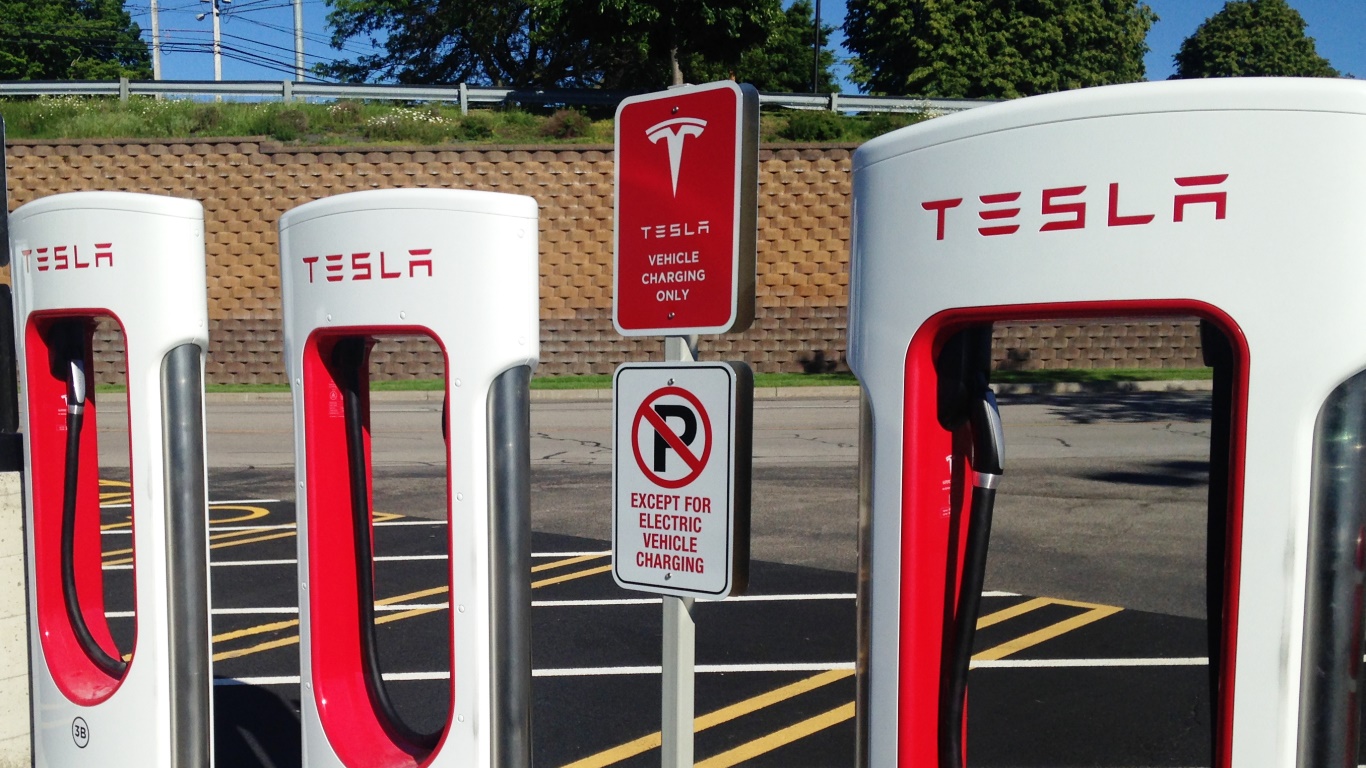
American consumers are really lukewarm to buying all-electric vehicles (EVs) and even cooler to the idea of self-driving vehicles. A new quarterly survey from J.D. Power and SurveyMonkey released Wednesday showed no improvement in the Mobility Confidence Index for either type of vehicle.
The index score of 55 (out of 100) for EVs was identical to the second-quarter score, and the score of 36 for self-driving cars was unchanged as well. The survey included responses from 5,000 consumers and industry experts polled for each index, and sentiment was segmented as low (0 to 40 index), neutral (41 to 60) and positive (61 to 100).
Kristin Kolodge, executive director, driver interaction and human machine interface research at J.D. Power, commented, “It was a little surprising to find consumer sentiment about self-driving vehicles and electrification has stayed flat, but it shows that consumers are really steadfast in their opinions about new mobility technologies right now, regardless of how close they are to being available for purchase.”
Consumer confidence in EVs remains neutral, with the lowest scores coming in response to questions about the likelihood of purchasing an EV and the reliability of EVs compared to gasoline-powered vehicles. Regarding the first, sentiment is split between previous owners and non-owners of EVs.
More than half (60%) of previous EV owners are “extremely” or “very” likely to purchase another one. A similar percentage (59%) of non-owners are “not too likely” or “not at all likely” to purchase an EV.
More than three-quarters of previous owners (77%) and non-owners (76%) said that tax credits would factor into their purchase decision, but because only 4% of respondents have owned an EV (compared with 68% who haven’t even ridden in one), the total score tumbled.
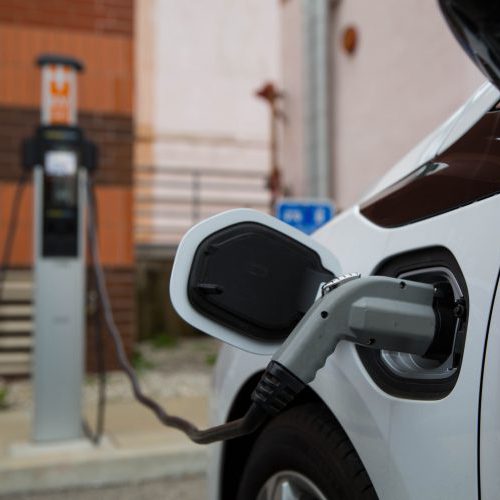
Both, however, acknowledge the environmental benefit of EVs (63%), and half believe that electricity will be a cheaper fuel than gasoline. But availability of charging stations and worries over driving range continue to dampen consumers’ desire to purchase an EV.
It’s worth noting that European consumers are also cautious about committing to an EV purchase. The continent’s automakers are pleading with policymakers to build out a charging station infrastructure and provide more consumer subsidies to boost EV sales. European carmakers are under considerably more pressure than their U.S. counterparts to meet stringent emissions cuts by 2030: a reduction of 37.5% by 2030, on top of a 40% reduction required by 2021.
When it comes to self-driving cars, Americans are decidedly cool. They are uncomfortable both with self-driving cars and self-driving public transit, even though about two-thirds (68%) say they have little or no knowledge about self-driving technology. The possibility of technology failures or errors causes the most worries.
J.D. Power’s Kologe noted, “Charging, cost and range are unavoidable challenges for battery-electric vehicles when compared with traditional vehicles. Automakers should focus as much on developing some overriding advantages instead of just working on minimizing the disadvantages. Consumers don’t know what to ask for but there are all sorts of possibilities. The first automakers to solve this will have a huge advantage.”
If that were easy to do, we’d all be driving EVs already.
Check out 24/7 Wall St.’s list of America’s most eco-friendly vehicles and the technologies that will change the way we live.











 Top Gaining Stocks
 Top Losing Stocks